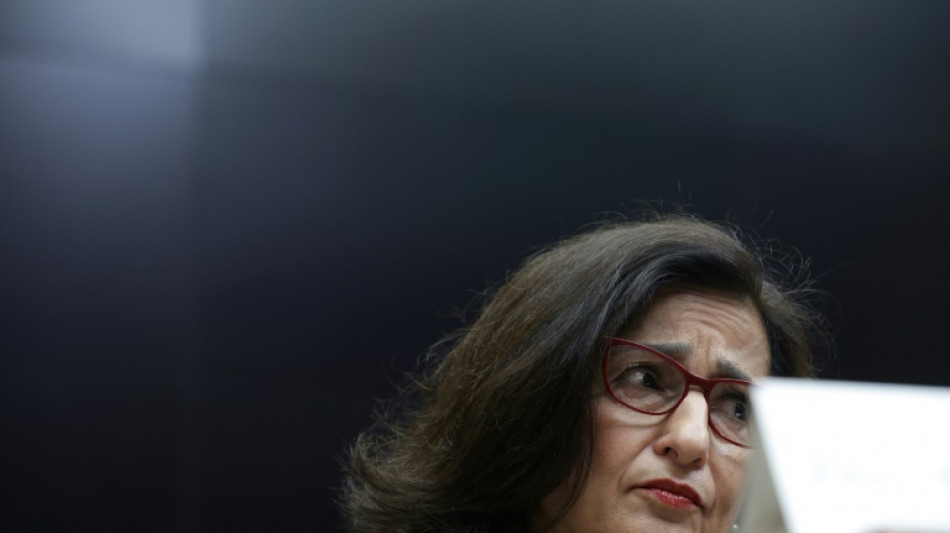
Minouche Shafik: From renowned economist to embattled Columbia president / Photo: ALEX WONG - GETTY IMAGES NORTH AMERICA/AFP

 Three Mexicans convicted in murders of Australian, US surfers

 Powerful waves lash California coast as storm threatens more damage

 Trump hails Russia deal to release diesel as midterms loom

 Lyon blow chance to go top after loss at Lens
 Stocks rise as Trump says Russia to release diesel to world markets

 Wildfire smoke shuts schools in Amazon's biggest city

 Turkey jails 2 journalists pending trial for fund crisis 'misinformation'

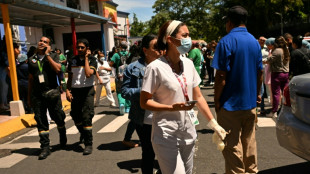
 Major earthquake rocks Panama, triggers tsunami warning

 Indian jailed in France for leading sadist Nazi cult that tortured girls
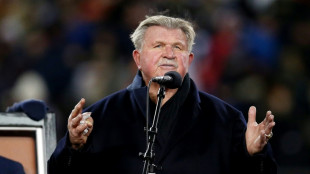 'Iron Mike' Ditka hailed as 'gold standard' NFL legend
 Flydubai co-pilot planned suicide attack on Tel Aviv airport: UAE prosecutor

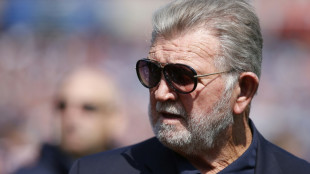 Mike Ditka: Chicago Bears icon as player and coach

 Outrage over plan to livestream US military firing squad execution

 US sanctions: a 'test of resilience' for ICC
 NFL legend Mike Ditka dead at 86
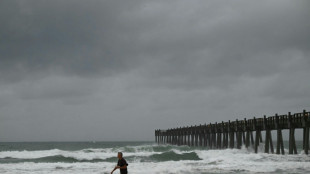
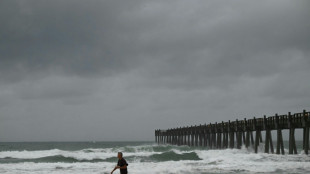 Hurricane Isaias set to strike Gulf Coast late Friday
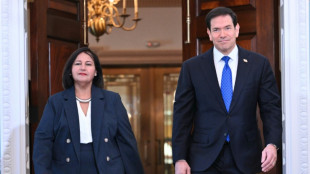
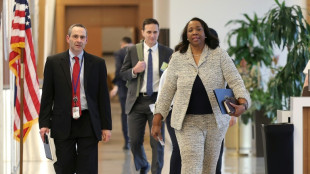 Trump forms panel to probe US Fed governor Lisa Cook
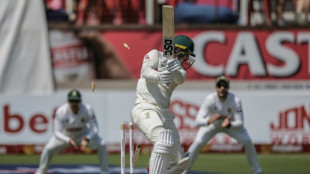
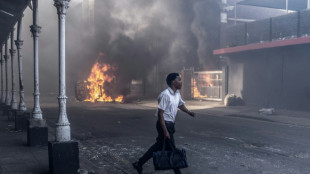 Clashes in Durban as fresh anti-migrant riots erupt in South Africa

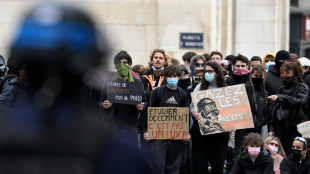 France students plan more protests, UN 'concerned' over violence
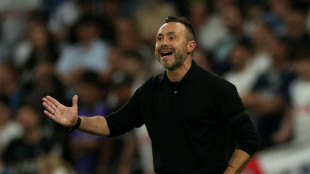 De Zerbi calls on struggling Spurs to react in Man Utd clash
 US sanctions on ICC: a 'test of resilience'
 Outrage over US military plan to livestream firing squad execution

 Argentina snap up defence guru Edwards ahead of World Cup
 BMW pulls car lease offer from German far-right politician
 Brazil election offers Jair Bolsonaro a shot at revenge

An esteemed economist, Minouche Shafik was thrilled to become president of one of America's most prestigious colleges.
But her name will now be tied with dramatic images of New York police arresting pro-Palestinian students at the Columbia University campus.
Less than a year after taking up the role, 61-year-old Shafik finds herself at the heart of a storm over her handling of the protests that spread to other colleges in the United States.
Twice in two weeks, she asked the police to intervene -- first to disperse an encampment on the university grounds and then, on Tuesday, to oust students who had barricaded themselves inside a building on campus.
Spectacular images of helmeted police officers encircling the campus and detaining students were making the rounds overnight, prompting criticism for Shafik, particularly from teachers.
Even before Tuesday, Shafik was under fire on two main fronts.
Republicans have demanded Shafik resign, arguing that she failed to protect Jewish students on her campus.
Meanwhile pro-Palestinian students accuse her of muzzling their protests and of escalating the situation by calling police in to manage the demonstrations.
- 'Profound effect' -
Born in Alexandria in Egypt, Nemat "Minouche" Shafik was four years old when her family fled the country and moved to the United States.
"I was born into a comfortable family in a society marked by severe inequality," the British-American told the Columbia Magazine in autumn 2023.
But she said "my family's prospects changed dramatically in the mid-1960s, when most of our land and property was seized by the Egyptian state as part of Nasser's nationalization program."
Shafik found herself an immigrant in the American South "during the desegregation era, amid explosive racial tensions," an experience that had a "profound effect," she said.
A graduate of prestigious universities in the United States and the United Kingdom, Shafik went on to occupy various senior posts at the World Bank, the International Monetary Fund and the Bank of England, before being named head of the London School of Economics.
Shafik is also a member of the House of Lords, the second chamber of the UK parliament, a role from which she is currently on leave.
- 'Crucial role' -
Columbia University had already been embroiled in debates, including about the costs of higher education, before Shafik became president last year, making her the first woman to hold the post.
But the war in Gaza, triggered by Hamas's attack on Israel in October, began a course of turmoil for the college.
Shafik saw the resignations of the presidents of two other universities -- including Harvard -- brought about over claims they were not doing enough to combat anti-Semitism on their campuses.
On April 17, it was Shafik's turn to be questioned by Congress on the issue. She firmly defended her actions and condemned anti-Semitism "that is so pervasive today."
That same day, Columbia students set up tents on the campus lawns to demand an end to the war in Gaza and that their university cut all ties with Israel.
Shafik called on New York's police a day later to help disperse the protesters, leading to more than 100 students being arrested.
That started a high-profile standoff that continued into this week.
In the Columbia Magazine, Shafik said she decided to become president of the "extraordinary institution" because it was the "most cosmopolitan, outward-looking" of America's top universities.
"And at a time when universities have a crucial role to play in addressing societal problems, I think that Columbia is positioned to be a tremendous force for positive change, in New York City and around the world," she said.
Her students, on both sides of the fence, seem to have taken her at her word.
S.Pimentel--PC