-
 Proposed next EU budget cut back in search for deal
-
Kiss tells Wallabies to 'return fire' after first loss as coach

-
 All Blacks learn from 'failed' Springboks series to punish Wallabies
-
Russian strikes kill 11 including 3 children: Ukrainian authorities
-
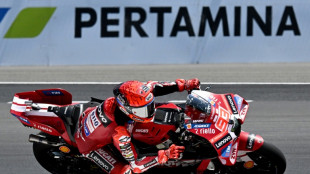 Marquez grabs MotoGP championship lead after Indonesia sprint chaos
-
Russian teenager Andreeva breezes into China Open final

-
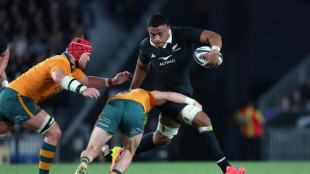 All Blacks extend Eden Park streak with big win over Wallabies
-
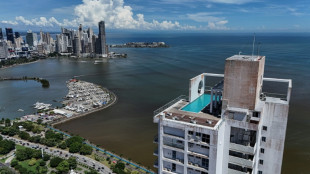
Major earthquake hits Panama, injures at least 27
-
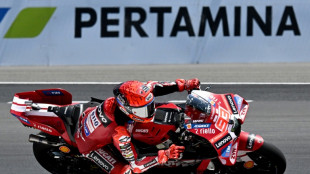 Marquez grabs MotoGP championship lead with Indonesia sprint win
-
India detains 'cockroach' leaders ahead of election protest
-
 Schauffele closes in on leaders after 'weird' round in Japan
-
'No divisions, no borders', French astronaut says of seeing Earth
-
 Medvedev through at Shanghai Masters in first match since disqualification
-
India's 'cockroach' movement chief detained ahead of major protest
-
 Trump sows doubt on plan to livestream US military execution
-
Year later, Gaza ceasefire promises mostly unfulfilled
-
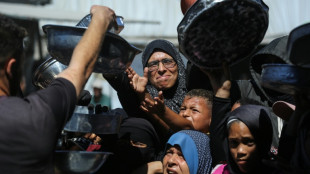 Hunger and malnutrition stalk Gazans, a year on from ceasefire
-
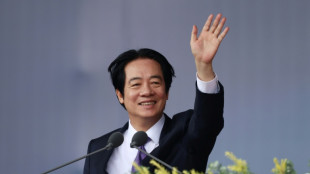
Taiwan's leader says increasing defence spending to 'deter war'
-
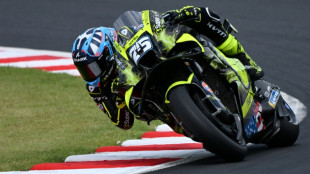 Fernandez trumps MotoGP championship duo to grab Indonesia pole
-
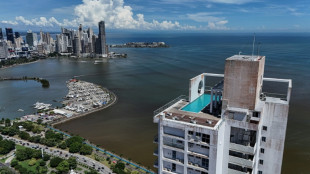
Major quake hits Panama, no deaths reported
-
 October 7 scars push Israel's first-time voters to right
-
Hurricane Isaias makes landfall in Florida
-
 India deploys police, restricts transport ahead of major protest
-
Brazil prosecutors sue Shell for $108 mn over deadly 2024 floods
-
 Three Mexicans convicted in murders of Australian, US surfers
-
Major earthquake destroys buildings, roads in Panama
-
 Powerful waves lash California coast as storm threatens more damage
-
Anthropic AI model sent fake murder tip to Philadelphia police

-
 Trump hails Russia deal to release diesel as midterms loom
-
7.7-magnitude quake rocks Panama, triggers tsunami warning
-
 Lyon blow chance to go top after loss at Lens
-
Prince Harry booed at English rugby match
-
 Stocks rise as Trump says Russia to release diesel to world markets
-
Kiplimo and Feysa seek repeat Chicago Marathon wins

-
 Wildfire smoke shuts schools in Amazon's biggest city
-
Fuellkrug halts Dortmund after late goal flurry

-
 Turkey jails 2 journalists pending trial for fund crisis 'misinformation'
-
Injured Ravens quarterback Jackson ruled out of Falcons clash

-
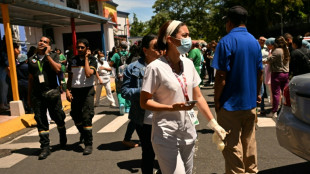 Major earthquake rocks Panama, triggers tsunami warning
-
Brewers aim to take down two-time defending champion Dodgers in NLCS rematch

-
 Indian jailed in France for leading sadist Nazi cult that tortured girls
-
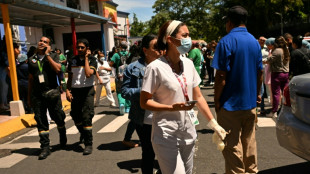
Tsunami alert after major earthquake rocks Panama
-
 'Iron Mike' Ditka hailed as 'gold standard' NFL legend
-
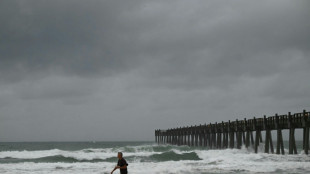
Outer bands of Hurricane Isaias lash US Gulf Coast
-
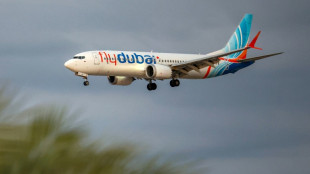 Flydubai co-pilot planned suicide attack on Tel Aviv airport: UAE prosecutor
-
Hope, Rutherford fire West Indies to record T20 chase of 250

-
 Mike Ditka: Chicago Bears icon as player and coach
-
Farhan leads Pakistan to T20 win over Sri Lanka

-
 Outrage over plan to livestream US military firing squad execution
-
Turkey sack coach Montella after Nations League woe

World's island states blame richest countries for climate threats
Extremely vulnerable to climate change, not rich enough to stop it on their own, and not poor enough to merit aid and development financing: the world's small island states on Monday blamed wealthy countries for their misfortune.
Small Island Developing States (SIDS) "find themselves on the front line of a battle against a confluence of crises, none of which they have caused or created," said Gaston Browne, prime minister of Antigua and Barbuda, which is hosting a SIDS conference this week.
The most pressing crisis is a worsening climate catastrophe as the world nears global warming of 1.5C, the upper threshold set in the Paris climate accord.
"The major contributors to climate change have failed to meet the obligations to mitigate its effects, causing significant harm to SIDS and our planet in general," Browne said.
Seychelles President Wavel Ramkalawan warned that "the climate crisis will destroy all of us," but that "the world is taking its time while we suffer."
Caught between rising debts and rising oceans, from the Caribbean to Africa to the Pacific, many SIDS share characteristics that make them especially vulnerable to external shocks: small landmasses home to scattered and isolated populations, with import dependent, non-diversified economies.
And climate change -- with its brutal droughts, powerful hurricanes and rising seas -- is threatening to erase some of them from the map altogether.
"We cannot accept the disappearance of any country or culture under the rising waves," UN Secretary-General Antonio Guterres said as he opened the SIDS conference, adding the international community has a "duty" to offer support.
"The idea that an entire island state could become collateral damage for profiteering by the fossil fuel industry, or competition between major economies, is simply obscene," Guterres said.
- 'Blue economy' -
"The costs will only rise and will be paid in more and more human lives if we fail to deal with the root cause, that is fossil fuels," said Hilda Heine, president of the Marshall Islands.
High on the agenda for the 39 states, whose populations number roughly 65 million people: increasing climate financing, even as many criticize the slow pace of fulfilling previous UN aid pledges.
According to the UN Development Program, some $4.7-7.3 billion in financing is needed per year just for climate adaptation measures in SIDS countries.
But most small island states are classified as middle-income countries or higher -- meaning that they're unable to access international aid and preferential financing available to the world's poorest countries.
"They are being trapped in a no man's land where financing from the international community that is often a kind of safety net is simply not available to them," said Achim Steiner, head of the UNDP.
Beyond seeking outside aid, however, many are also turning toward reforming their own economies.
Priorities include developing renewable energy sectors and engaging in the so-called "blue economy" of sustainable fishing and ocean conservation -- a serious opportunity for SIDS countries, which account for 19 percent of the world's Exclusive Economic Zones.
Tourism, too, can be made more sustainable -- though the specter of climate change hangs over these countries' marine biodiversity and coral reefs, which draw scuba divers from across the world.
F.Santana--PC