
-
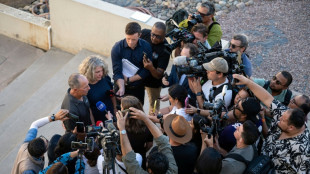 Three Mexicans convicted in murders of Australian, US surfers
-
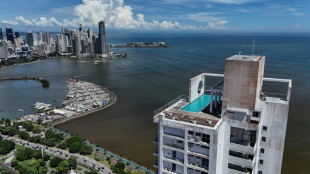
Major earthquake destroys buildings, roads in Panama
-
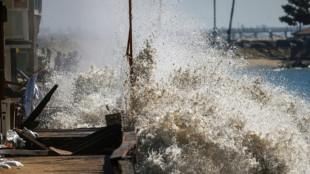 Powerful waves lash California coast as storm threatens more damage
-
Anthropic AI model sent fake murder tip to Philadelphia police
-
 Trump hails Russia deal to release diesel as midterms loom
-
7.7-magnitude quake rocks Panama, triggers tsunami warning
-
 Lyon blow chance to go top after loss at Lens
-
Prince Harry booed at English rugby match
-
 Stocks rise as Trump says Russia to release diesel to world markets
-
Kiplimo and Feysa seek repeat Chicago Marathon wins
-
 Wildfire smoke shuts schools in Amazon's biggest city
-
Fuellkrug halts Dortmund after late goal flurry
-
 Turkey jails 2 journalists pending trial for fund crisis 'misinformation'
-
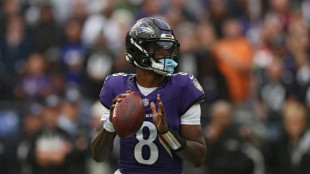
Injured Ravens quarterback Jackson ruled out of Falcons clash
-
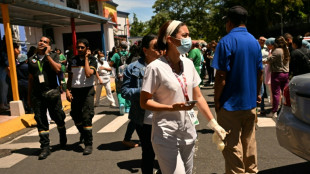 Major earthquake rocks Panama, triggers tsunami warning
-
Brewers aim to take down two-time defending champion Dodgers in NLCS rematch

-
 Indian jailed in France for leading sadist Nazi cult that tortured girls
-
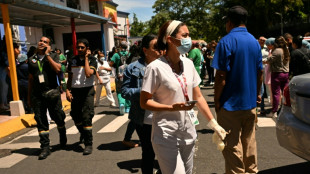
Tsunami alert after major earthquake rocks Panama
-
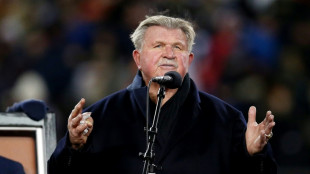 'Iron Mike' Ditka hailed as 'gold standard' NFL legend
-
Outer bands of Hurricane Isaias lash US Gulf Coast
-
 Flydubai co-pilot planned suicide attack on Tel Aviv airport: UAE prosecutor
-
Hope, Rutherford fire West Indies to record T20 chase of 250

-
 Mike Ditka: Chicago Bears icon as player and coach
-
Farhan leads Pakistan to T20 win over Sri Lanka

-
 Outrage over plan to livestream US military firing squad execution
-
Turkey sack coach Montella after Nations League woe
-
 US sanctions: a 'test of resilience' for ICC
-
US announces sanctions on ICC, hours after Nobel award to former judge
-
 NFL legend Mike Ditka dead at 86
-
Montenegro expels popular Russian war blogger wanted by US
-
 Hurricane Isaias set to strike Gulf Coast late Friday
-
Rubio calls on all Venezuela opposition figures to join talks with govt
-
 Trump forms panel to probe US Fed governor Lisa Cook
-
Australia struggle against South Africa quicks in first Test
-
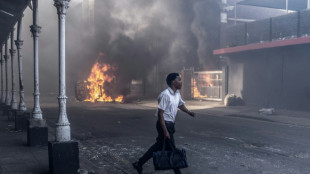 Clashes in Durban as fresh anti-migrant riots erupt in South Africa
-
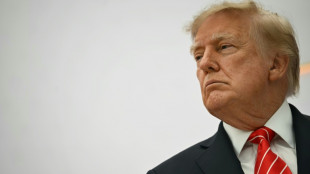
Stocks advance as Trump rules out pre-vote Iran attack
-
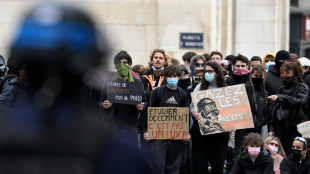 France students plan more protests, UN 'concerned' over violence
-
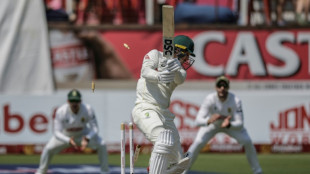
Australia struggle against South Africa's fast bowlers
-
 De Zerbi calls on struggling Spurs to react in Man Utd clash
-
Massive debt puts France in a bind as investor doubts deepen
-
 US sanctions on ICC: a 'test of resilience'
-
Arteta urges 'respect' for process after Man City financial verdict
-
 Outrage over US military plan to livestream firing squad execution
-
'Human-authored' book labels gain ground amid AI scandals

-
 Argentina snap up defence guru Edwards ahead of World Cup
-
Man City whistleblower Pinto to stay under police protection
-
 BMW pulls car lease offer from German far-right politician
-
US leads fresh Ukraine peace push with Miami talks
-
 Brazil election offers Jair Bolsonaro a shot at revenge
-
Verstappen continues resurgence with pole for Singapore sprint
Swiss approve law boosting renewable energy generation
Switzerland approved a law on Sunday aimed at accelerating the development of renewable energies, as part of the country's bid to attain carbon neutrality by 2050.
Official results showed that just under 69 percent of Swiss voters backed the law on "a secure electricity supply based on renewable energies", confirming polling trends published before the nationwide referendum.
"The Swiss people have taken an important decision about our electricity supply," said the Alliance For a Safe and Affordable Electricity Supply, which backed the law.
Less than two months ago, Switzerland became the first nation ever to be condemned by an international court for not doing enough to combat climate change, in a ruling by the European Court of Human Rights.
The renewables law was approved by parliament last year, and most environmental organisations back the legislation and its ambitions.
They include heavyweights Greenpeace and WWF.
Reacting to the referendum result, Greenpeace said it meant nuclear was now "obsolete" and urged Swiss energy group Axpo to "set a deadline for the swift and definitive halt of the two reactors and the Beznau nuclear plant".
"They are among the oldest reactors still active on the planet and pose an insoluble security risk," it said.
Environment and Energy Minister Albert Rosti said the law was "an important milestone for strengthening security of supply" in Switzerland, particularly in winter.
- Hard-right opposition -
It aims to boost wind and solar power's current miniscule contribution to Switzerland's energy mix and rapidly increase hydro production so the wealthy landlocked country is less dependent on imported electricity.
The law envisages installing solar panels on building roofs and facades.
It also eases planning permission for wind turbines and large solar installations.
Critics, including a few smaller environmental groups, argue the law will fast-track large-scale energy projects and see Switzerland's pristine Alpine landscapes plastered with wind turbines and solar panels.
They also say locals will have only limited possibilities to appeal against the construction of new renewable energy installations.
Switzerland's largest party, the hard-right Swiss People's Party (SVP), also opposed the law, above all in the name of defending civil nuclear power, which provided 32 percent of total energy production last year.
After the vote it complained the law would provide Swiss people with "little electricity, at a high price" and result in "massive environmental destruction".
The government acknowledged that court appeals against large energy projects "will probably be less likely to succeed than before".
- Health initiatives spurned -
But it said projects would be examined on a case-by-case basis and constructing large installations in "biotopes of national importance" and migratory bird reservations will remain banned, albeit with some exceptions.
The law foresees 16 hydroelectric projects, a sector which last year represented 57 percent of domestic power generation. These involve building new dams or heightening existing ones.
Under Switzerland's direct democracy system, citizens can trigger votes on topics by collecting 100,000 valid signatures within 18 months. Voting takes place every three months.
There were also ballots on Sunday on three health-related topics, all of which were rejected.
Voters threw out a proposal to cap health contributions at 10 percent of income and a bid to limit health costs.
They also spurned an initiative tabled by opponents of measures introduced to stem the spread of Covid.
Although it did not specifically mention vaccines, the proposal said people who refused to give consent for certain medical procedures should not be penalised.
G.M.Castelo--PC