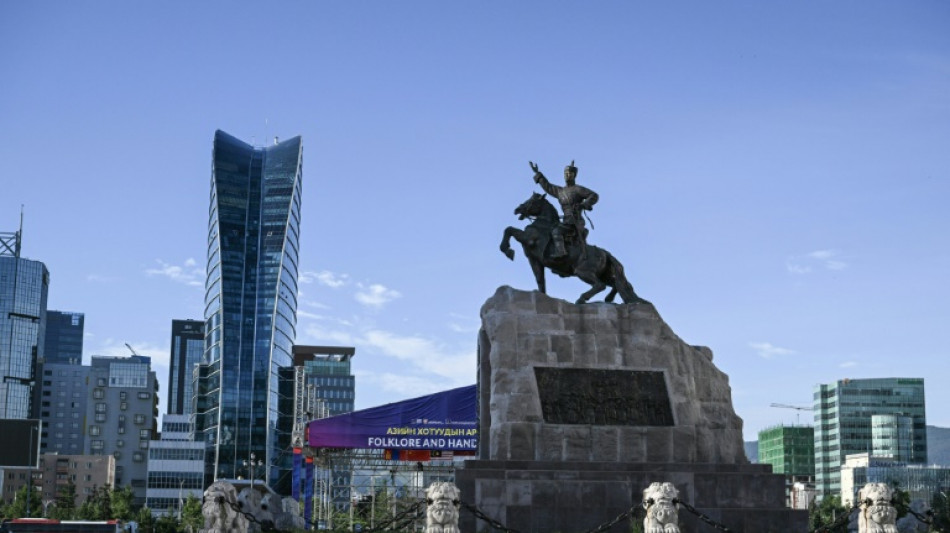
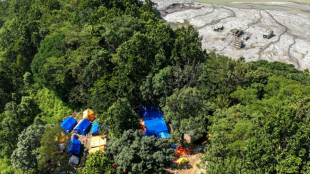
Five things to know about Mongolia / Photo: HECTOR RETAMAL - AFP

 Djokovic crashes out of Shanghai Masters in his first match
 EU says Turkey's crackdown on rights hampers membership bid
 Two Renoir paintings stolen in France recovered: mayor
 German leader outraged at Schroeder birthday visit to Putin
 Stocks up, oil retreats as Trump rules out pre-vote Iran attack
 South African judge Navi Pillay wins Nobel Peace Prize
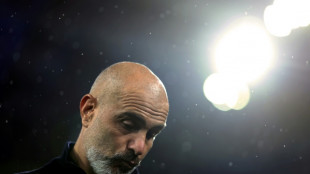 'I completely trust the club,' says Man City boss Maresca
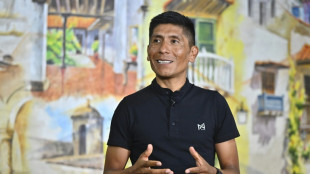 '10 out of 10' Quintana reminisces over dream Vuelta win
 Maddinson given shock recall but fails to score
 Navi Pillay, South African rights champion, wins Nobel Peace Prize
 Saudi Arabia says three killed at airport as Yemen war expands
 Everton's US owners mull sale of club two years after takeover

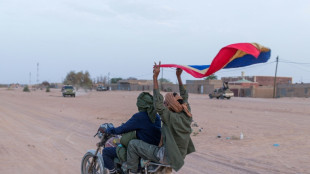 Ukraine takes Russia fight to 'scorching sands' of Sahel
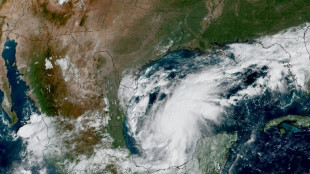
 Chinese AI tool pulled to prevent 'misuse' after South Korea hacks
 Asian stocks mostly up as traders weigh AI, oil dips after surge
 Walking through flames: orangutans rescued in Indonesia fires
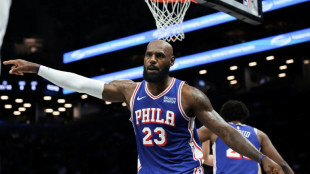 LeBron shines in pre-season debut for re-tooled 76ers
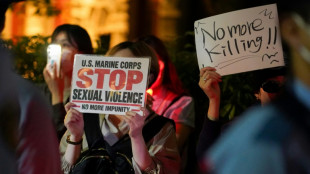 Okinawa resolution calls for revision of US forces pact after murder
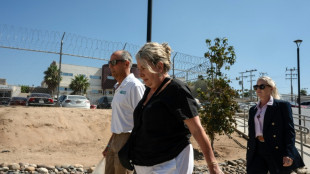 Verdict expected Friday in Mexico trial over murders of Australia, US surfers
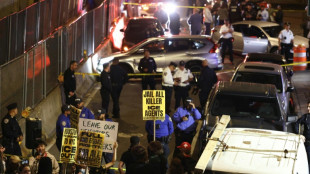 New York mayor says asking Trump to withdraw ICE after shooting
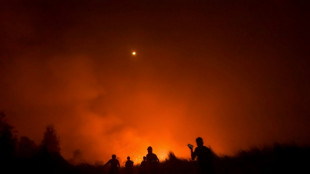 Walking through flames: orangutan rescued in Indonesia fires
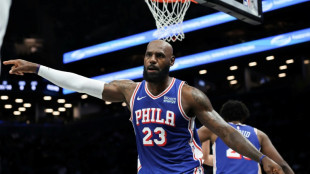 James shines in pre-season debut for re-tooled 76ers
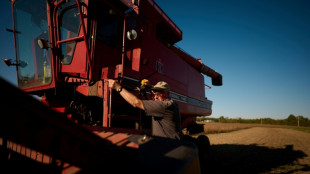 Fuel, fertilizer costs strain US farmers' support for Republicans in midterms
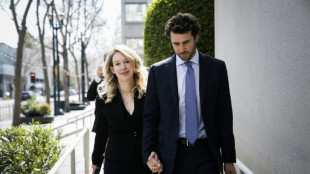
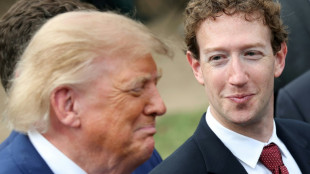 Trump's 'super intelligence' rebrand to sell AI faces uphill battle
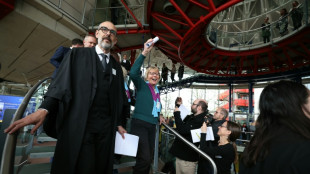
 Fiji demands US provide evidence Chinese official paid bribes for Beijing
Mongolians go to the polls Friday in parliamentary elections, with the ruling Mongolian People's Party widely expected to retain its majority despite public discontent over corruption.
Here are five things to know about Mongolia:
- China's democratic neighbour -
Landlocked Mongolia is sandwiched between Russia and China, the latter being its close economic partner.
Unlike its massive neighbours, Mongolia is democratically governed, with the US-based advocacy group Freedom House describing the country's political system as "free" -- albeit saddled with widespread corruption.
Mongolia's head of state is President Ukhnaagiin Khurelsukh, a former prime minister and member of the ruling party, elected to his current office in 2021.
Head of the government is Prime Minister Luvsannamsrain Oyun-Erdene, a 43-year-old Harvard graduate who also serves as chairman of the Mongolian People's Party.
Despite their differences, Ulaanbaatar has been careful not to upset the regional powers.
Eighty-six percent of Mongolia's total exports go to China, half of which is coal.
And Mongolia is among a handful of countries that have not explicitly condemned Russia's invasion of Ukraine.
- Mineral-rich -
Traditionally dependent on agriculture, the country has experienced rapid economic growth on the back of a mining boom.
Profits from coal made up a quarter of Mongolia's gross domestic product in 2022.
Mongolia is also a major exporter of copper and iron ore, as well as having rich deposits of uranium.
Its capital Ulaanbaatar's population has quadrupled since the 1990s, with skyscrapers sprouting up across the sprawling city.
But poverty reduction in the middle-income country has stalled in recent years and economic inequality remains high.
The women's employment rate has dropped from 72 percent in 1992 to 53 percent, largely due to a lack of childcare options.
And the mining boom and other factors has made Ulaanbaatar often one of the most polluted capitals on the planet.
- Endemic corruption -
The governing party has promised to crack down on corruption since unrest in late 2022, when hundreds took to the streets of Ulaanbaatar to protest against "coal theft" by officials linked to state mining firms.
But under its rule, Mongolia has plummeted in Transparency International's Corruption Perceptions Index.
Public officials are frequently accused of seeking to profit from their positions and often face criminal investigations.
In March, the United States said it would attempt to seize two luxury apartments in New York owned by former prime minister Sukhbaatar Batbold that it said were bought with the proceeds of a corrupt scheme.
- Communist past -
The once-Communist nation enshrined its first democratic constitution in 1992, when it emerged from the Soviet orbit after a popular revolution two years earlier.
It is still heavily reliant on Russian fuel, and nostalgia for Soviet times remains strong in some quarters.
But the country has sought to distance itself from its recent past, tearing down statues of Stalin and Lenin and instead turning to celebrations of Genghis Khan, who led history's largest contiguous land empire in the 13th century.
Mongolia's government adopted the Cyrillic alphabet eight decades ago when it was ruled by the Soviet-dominated regime, but now it is also backing the revival of the traditional Hudum script following a surge of interest in the nation's cultural heritage.
- Vast grasslands -
The country's landscape is dominated by high-altitude grasslands and populated by 3.4 million residents spread across an area three times the size of France.
Its people have historically been nomadic, with a third of the population still living in communities characterised by portable yurt dwellings.
Mongolia's steppes are home to the rare Przewalski's horse, an ancient equine subspecies brought back in recent years from the brink of extinction through breeding programmes at zoos worldwide.
E.Raimundo--PC