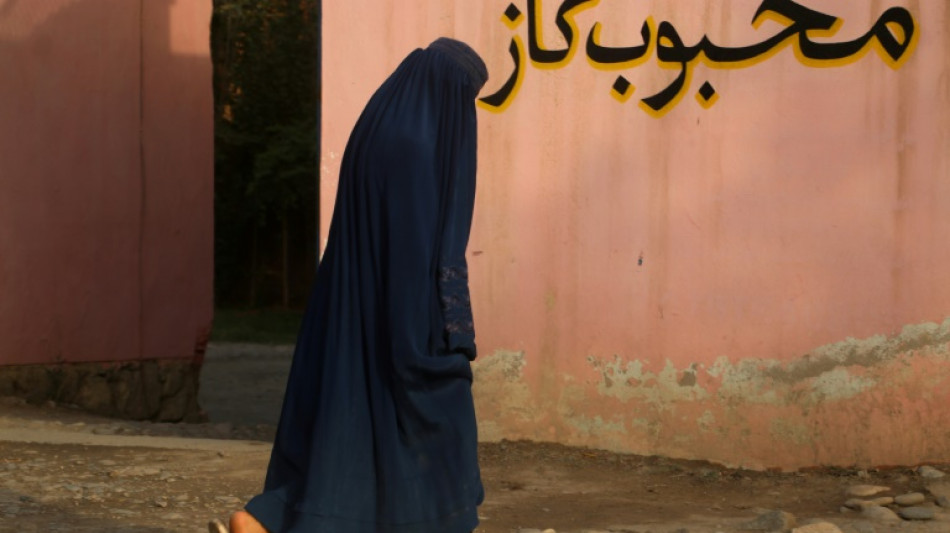
Taliban's morality ministry refuses to cooperate with UN Afghan mission / Photo: OMER ABRAR - AFP/File

 Southampton boss Eckert given suspended ban over 'Spygate'
 Russia warns of 'false' information as second plague case reported

 IEA ready to release more oil reserves if necessary
 HSBC 'consults' over UK unit job cuts amid AI adoption
 UK court quashes five ex-traders' Libor rate rigging convictions
 XM Receives “Global Customer Experience Leader Award 2026” at the TrustFinance Performance Awards
 Stocks slide as oil climbs on Mideast flareup
 Heavy casualties in Ukraine after Russian strikes
 French wine harvest set to hit historic low
 Kyiv 'cannot agree' to EU membership limiting food exports: minister

 Arteta targets more Arsenal glory after signing new deal until 2030

 Russell hit with Singapore grid penalty for taking new power unit
 Spotify expands audiobooks to more than 180 markets

 French-Japanese duo wins chemistry Nobel for solving molecular 'mystery'

 England's Nations League surge helps heal World Cup wounds

 Mayor of opposition stronghold Izmir defects to Erdogan party
 Mertens beats Gauff to set up Swiatek clash at China Open
 Benin full of pride at role in Messi's last dance

 France suspends stun grenade use at student protests ahead of PM speech
 Indonesian court hears 'negligence' complaint against state over fires, haze

 Rubio in Greece to urge against Western civilisation 'decline'
 Micron workers at Taiwan plant vote in favour of strike
 In 'The Social Reckoning,' Jeremy Allen White takes on Facebook's 'frightening' ambition
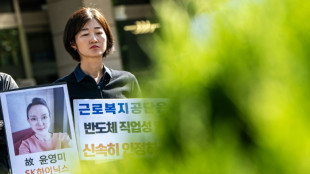 Chip industry activists call for South Korea to recognise cancer cases
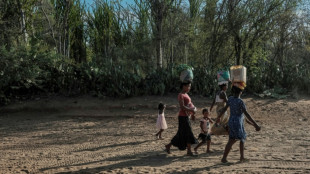 Famine-scarred southern Madagascar braces for El Nino
The Taliban government's morality ministry said it would not cooperate with the United Nations mission in Afghanistan, calling it "an opposing side".
The announcement comes after the UN mission (UNAMA) warned that a new morality law -- requiring women to cover up completely and not raise their voices -- would damage prospects for engagement with the international community.
The Taliban Ministry for the Propagation of Virtue and the Prevention of Vice (PVPV) said that "due to its continued propaganda, the PVPV will not provide any support or cooperation with UNAMA, which will be considered as an opposing side".
"We want international organisations, countries, and those individuals who criticised the mentioned law to respect the religious values of Muslims and refrain from such criticisms and statements that insult Islamic values and sanctities," the ministry said in a statement posted to social media Thursday.
Last week, the United Nations special rapporteur on human rights in Afghanistan, Richard Bennett, was banned from entering the country after joining other UN experts in a statement urging the international community to "not normalise the de facto authorities or their appalling human rights violations".
Chief Taliban government spokesman Zabihullah Mujahid told local media Tolo News that Bennett "was appointed to Afghanistan to spread propaganda and he is not someone whose words we can trust."
The Taliban authorities, which are yet to be formally recognised by any nation, are still pushing to fill Afghanistan's seat at the UN, which is held by a former official of the ousted foreign-backed government.
- Punishments -
The Taliban government's 35-article morality law was published in the official gazette on July 31.
It imposes wide-ranging rules on men's clothing and attending prayers as well as bans on keeping photos of living beings, homosexuality, animal fighting, playing music in public and non-Muslim holidays.
The law sets out graduated punishments, from verbal warnings to threats, fines and detentions of varying lengths.
Roza Otunbayeva, head of the UN Assistance Mission in Afghanistan, has called the law a "distressing vision for Afghanistan's future, where moral inspectors have discretionary powers to threaten and detain anyone based on broad and sometimes vague lists of infractions".
The United Nations and the European Union have warned that the law could damage prospects for engagement with the international community.
UNAMA is mandated by the UN Security Council to engage with the Taliban authorities, including the PVPV, with which it has directly raised concerns over moral oversight policy and practices of enforcement.
In a report last month, UNAMA said the ministry had a growing role in enforcing religious law in Afghanistan and accused it of creating a "climate of fear".
The virtue and vice ministry implements an austere vision of Islam, which has increasingly dominated Afghanistan since the 2021 Taliban takeover.
Morality police squads are empowered to scold, arrest and punish citizens violating edicts. The laws have marginalised women, effectively banned music and outlawed other activities deemed un-Islamic.
The Taliban government has consistently dismissed international criticism of its policies, including restrictions on women that the UN has labelled "gender apartheid".
The law is "firmly rooted in Islamic teachings" that should be respected and understood, chief government spokesman Zabihullah Mujahid said in a statement on Monday.
"To reject these laws without such understanding is, in our view, an expression of arrogance," he said, adding that for a Muslim to criticise the law "may even lead to the decline of their faith".
A.S.Diogo--PC