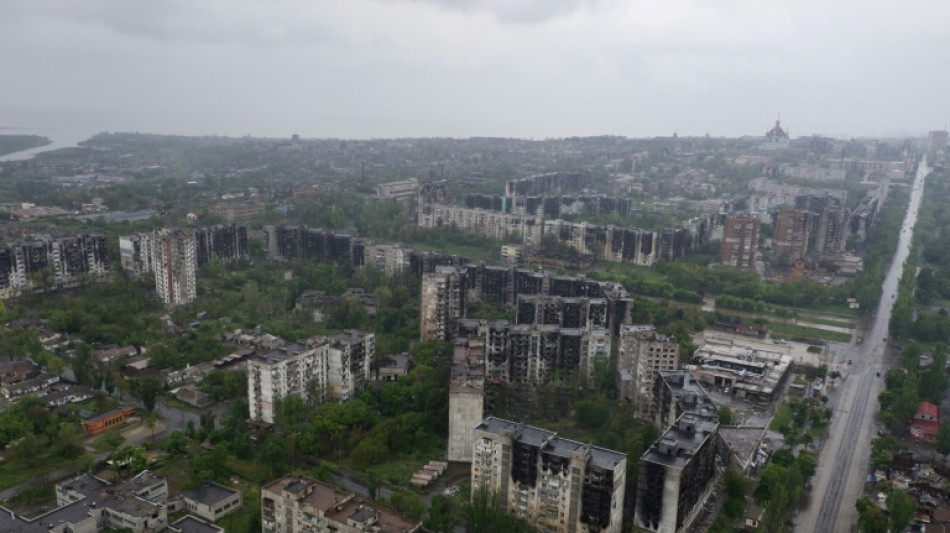
Key moments in the Ukraine conflict / Photo: Andrey BORODULIN - AFP

 What scientists know so far about Nepal's deadly floods

 US general visits Colombia to discuss war on drugs

 Meta settlement puts social media industry on notice: 'There will be more'
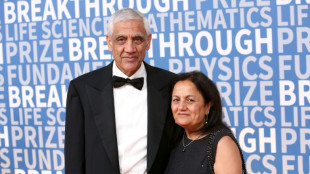 NFL owners approve record Seahawks sale

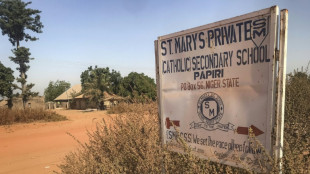 Nigerian armed groups net nearly $6 mn in ransoms: study

 Savio scores on debut as Spurs advance in League Cup
 Mbappe hits treble as Real Madrid thrash Real Sociedad

 At Dollywood, superfans honor the late singer and local hero
 Stocks mixed as oil drops, US inflation stays high

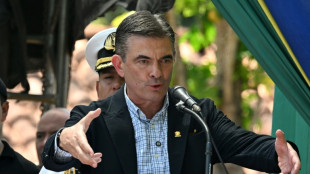 Bolivia's Paz appoints new economy minister amid bailout talks
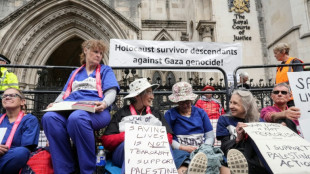 US designates UK-based Palestine Action as foreign 'terrorist group'
 'Rocky Horror Picture Show' star Tim Curry dead at 80
 American Moll wins women's pole vault at Zurich city event
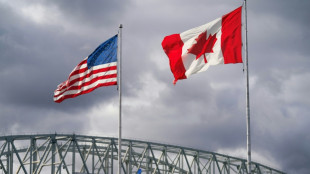
 As Canada takes on US tariffs, what's behind the David and Goliath fight?

 UEFA 'likely' to drop threat to boycott FIFA tournaments: source
 US disrupts platforms allegedly used by Chinese hackers
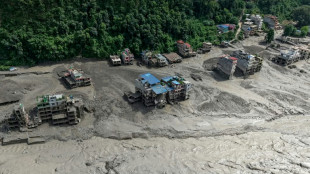 The foreign tourists missing in Nepal's flash floods

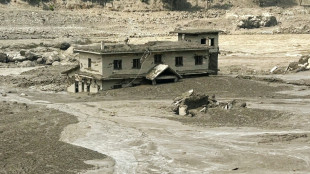 Hundreds missing after Nepal-Tibet flood kills 98
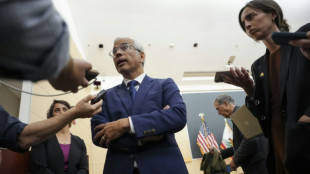
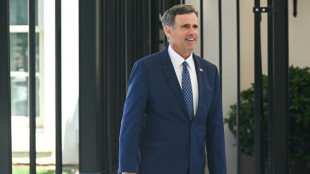 CIA director was on 'semi-routine' mission in Moscow: Trump
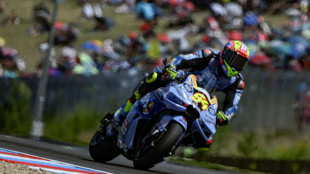 Aldeguer switches to Rossi's VR46 for next season

 Rent TRON Energy and Reduce USDT Fees : TronBid Expands Marketplace

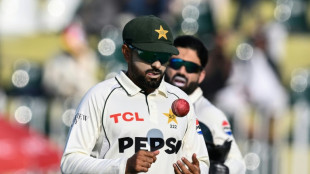 Pakistan captain Babar Azam returns against England '90 percent fit'
 Stocks mixed as oil drops, inflation stays high
 Improving standards transform pole vault as spectacle, says Duplantis
 India close in on win despite Sri Lanka fightback in second Test
Key developments since Russia's invasion of Ukraine three months ago, which has claimed the lives of tens of thousands of people.
- Start of invasion-
On February 24, Russian President Vladimir Putin announces the start of a "special military operation" to defend the mainly Russian-speaking separatist "republics" of the eastern Ukrainian region of Donbas, days after having recognised their independence.
Russian troops cross into Ukrainian territory.
On February 26, the Russian army receives orders to widen its offensive.
The European Union announces the purchase and delivery of arms for Ukraine. Western nations agree on the first round of economic sanctions against Moscow.
- First negotiations -
On February 28, Moscow and Kyiv delegations start a first round of peace talks.
Putin demands recognition of the previously annexed Crimean peninsula as Russian territory, "neutral" status for Ukraine and the country's "denazification".
Moscow has for months been seeking guarantees that Kyiv will never join the western NATO military alliance.
On March 2, Russian troops reach Kharkiv, in the north, Ukraine's second city, and capture Kherson, to the south and gateway to the Crimea.
On March 8, US President Joe Biden decrees an embargo on Russian gas and oil.
Two days later, EU leaders rule out swift membership of the bloc for Ukraine sought by Ukrainian President Volodymyr Zelensky but open the door to closer links.
- Mariupol besieged -
On March 21, Brussels denounces "a major war crime" after Russian forces besieging the strategic port of Mariupol, bombard a maternity hospital and a theatre sheltering civilians. Thousands of residents are trapped in the city.
On March 24, NATO decides to send equipment to Ukraine to mitigate the effects of a chemical or nuclear attack. It shores up defences on its eastern flank.
The following day, Moscow announces it will focus on the "liberation of the Donbas".
- Horror in Bucha -
On April 2, Ukraine announces it has regained control of the Kyiv region after Russian troops pull back to the east and south.
Ukrainian forces find dozens of corpses in towns near Kyiv, notably Bucha to the northwest, provoking an international outcry.
On April 8, at least 57 people are killed when railway station in the eastern town of Kramatorsk is shelled.
- Russian cruiser sunk -
On April 12, Ukraine say they have hit Russia's Black Sea flagship the Moskva with two R-360 Neptune anti-ship missiles. Moscow says it sank following an on-board fire caused by exploding munitions.
On April 21, Putin says Russian forces have taken control of Mariupol, but some 2,000 soldiers are holding out at the city's Azovstal steelworks, along with around 1,000 civilians.
On April 27, the Ukrainian army acknowledges a Russian breakthrough in the east, in the Kharkiv region and in the Donbas.
- Sweden, Finland look to NATO -
On May 3, Russian and pro-Russian forces launch a major assault on the Azovstal steelworks in Mariupol.
On May 8, some 60 people are reported missing after the shelling of a school in the Lugansk region.
On May 18, Sweden and Finland apply to join NATO.
On May 19, the US Congress approves a $40-billion aid package for Ukraine's war effort. The G7 pledges $19.8 billion the following day.
- Azovstal under Russian control -
On May 20, Moscow says its forces control the Azovstal steelworks. Kyiv says Mariupol is 90-percent destroyed and that at least 20,000 people have been killed there.
The eastern towns of Severodonetsk and Lyssytchansk are the last remaining pockets of Ukrainian resistance in the Lugansk region.
On May 23, a Kyiv court hands down a life sentence to a young Russian soldier in the conflict's first war crimes trial.
doc-kd-ao-ang/cdw/jj
H.Silva--PC