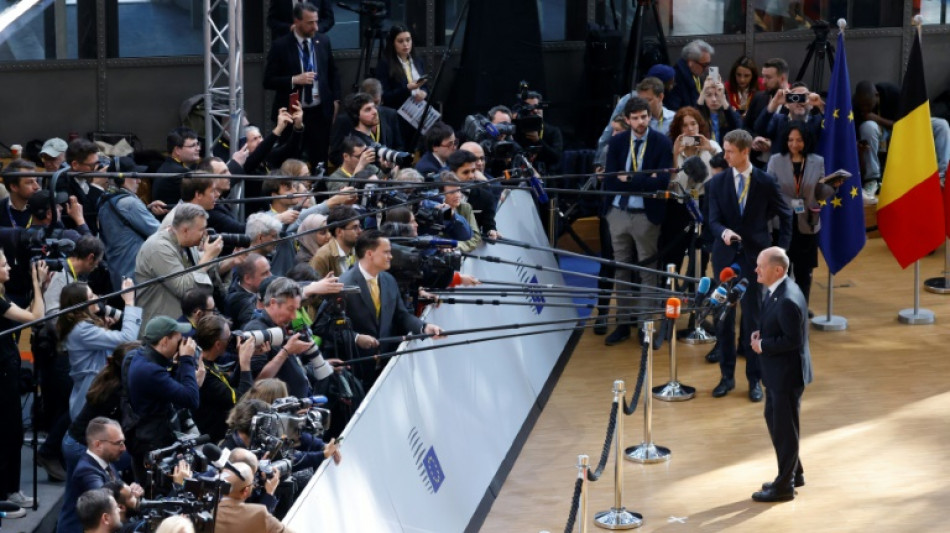
As Russia looms, EU defence plans fail to quell joint borrowing calls / Photo: Ludovic MARIN - AFP

 'No limits': Marathon world record holder Sawe chasing history

 Countdown begins to biggest-ever Rugby World Cup

 Bangladesh women lose ground after quota reform
 Vietnam admits 'differing opinions' on Hanoi development
 Stocks temper gains as oil pares heavy losses, US data in focus

 New Zealand denies breaching climate commitments to EU
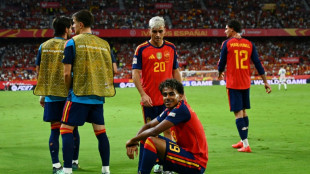
 Albert becomes youngest US scorer in 4-2 win over Chile

 Pirate island's plunging population shows Greece's demographic decline

 With elections ahead, Latvia's Russian-speakers reject Moscow's help
 Brazil football clubs face massive sponsorship blow from betting ban
 ChatGPT maker wants to be the App Store for AI as safety concerns grow

 Women fight fires and sexism in Indonesian Borneo

 Forsling's OT blast lifts Florida over Carolina in NHL opener

 Hurricane Polo sweeps over Mexico's Pacific coast, heads inland
 Grynspan pulls ahead in race to lead UN: diplomat

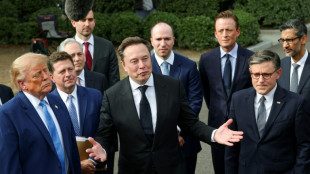
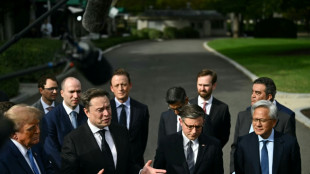
 Trump touts AI boss pledge to self-regulate
 Oil down, but stocks lower as bond yields rise
 England break down stubborn Czechs to claim first Nations League win

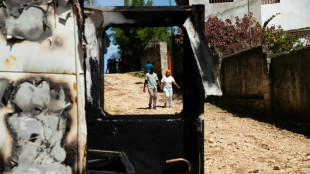 UN Security Council extends Haiti anti-gang force by 6 months

 Manchester City guilty of Premier League charges: What comes next?

 Man City chief Soriano slams Premier League 'conspiracy theory'

 Hurricane Polo sweeps over Mexico's Pacific coast
 Man City must be relegated after guilty verdict says club's former chairman

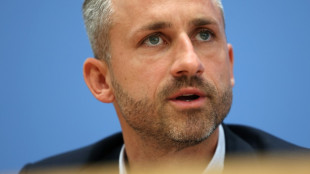 German far-right aims to lead Saxony-Anhalt govt in December

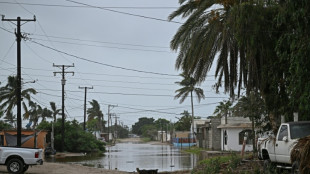 Little damage as Hurricane Polo sweeps over Mexico's Pacific coast
EU leaders on Thursday broadly welcomed a blueprint from Brussels to help ramp up defence spending to face Russia -- but a raft of countries pressed to go further and deploy joint borrowing.
US President Donald Trump has turbocharged calls for Europe to rearm by casting doubt on Washington's central role in NATO and making overtures towards Russia on Ukraine.
Fears are rife that if Trump forces a bad deal on Kyiv it will leave Europe facing the menace of an emboldened Kremlin that could look to attack elsewhere in the coming years.
In a bid to put the EU's 27 countries in a better position to defend themselves by 2030, Brussels on Wednesday detailed proposals it says could mobilise up to 800 billion euros ($875 billion).
Those include relaxing budget rules to allow countries to spend more on defence and a 150-billion-euro programme of EU-backed loans.
But the proposals have failed to quell long-standing calls led by France for the bloc to be more ambitious and rerun the sort of massive joint borrowing it used to fund the recovery from the Covid pandemic.
Latvian Prime Minister Evika Silina described the plan put on the table by Brussels as just a "first step".
"We are open for more discussions how we can find even more finances," she said as leaders gathered for a summit in Brussels.
Greek premier Kyriakos Mitsotakis was more explicit, pushing for the EU to move in a "more ambitious direction towards the provision of grants to European member states in order to make the important investments that they need."
The debate roughly pitches eastern countries most worried about the threat of Russia and those struggling with high debt against fiscal purists unwilling to finance spending by others.
Most trenchant against is the Netherlands -- with Prime Minister Dick Schoof once again reiterating his country's firm opposition.
"The Netherlands does have a few boundaries and they are very logical boundaries we have always had," Schoof told reporters in Brussels. "And there is nothing new under the sun."
So far the Dutch have been joined by Germany, but with chancellor-in-waiting Friedrich Merz pushing through plans for a mammoth defence splurge there is a sense Berlin could soften its stance.
"I'd say joint bonds are not off the table but for that conversation we need a new government in Germany," one EU diplomat said.
- East vs south? -
However, that push could be complicated by splits emerging within the group pressing for joint borrowing.
Eastern countries such as Poland and the Baltics have already massively ramped up their military spending -- far outstripping NATO's two-percent target on defence.
They are laser-focused on the menace posed by Russian President Vladimir Putin and want to make sure that any funding goes towards making Europe stronger in the face of Moscow.
"We have to rearm ourselves, because otherwise we will be the next victim of Russian aggression," said Lithuanian President Gitanas Nauseda.
But nations further to the West -- such as Spain and Italy -- have long dragged their heels on defence and are less convinced that the Kremlin is an imminent threat.
"It is important to take into account that the challenges that we face in the southern neighbourhood are a bit different to the ones that the eastern flank face," said Spanish Prime Minister Pedro Sanchez.
He pointed to broader needs to "strengthen border controls", fight terrorism and tackle cyber threats.
"These are the things that, of course, we have to take into account," he said.
While the push for a Covid-style joint borrowing programme faces hurdles, others are floating new proposals.
Italy has put forward a common guarantee scheme that would seek to raise some 200 billion euros in private finance without raising debt levels.
S.Pimentel--PC