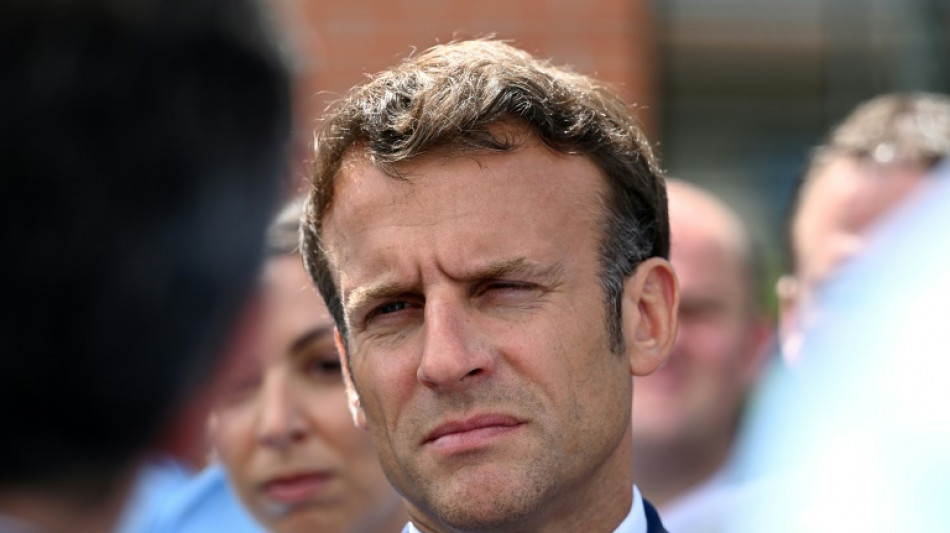
Macron seeks majority in parliament vote as left mounts challenge / Photo: Caroline BLUMBERG - POOL/AFP

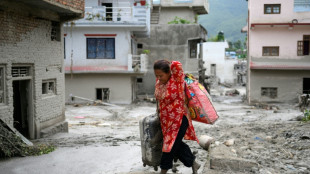
 Nepal floods leave trail of destruction, aid challenge
 Experts outline sustainable ways to declutter Australian homes
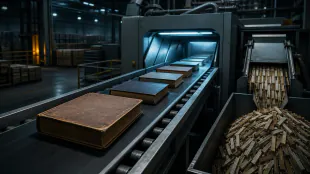 Bulk book purchases feed AI training through destructive scanning

 George and Amal Clooney attend Lake Como event after France evacuation

 Michelle Obama describes relief and adjustment after daughters leave home
 Very strong El Niño forecast to peak during southern African summer

 SAFA opens tender for dressing rooms, ablutions and grandstands

 TEEKS brings Māori-rooted soul and a new view of masculinity to South Africa

 Saudi customs seize 1.95 million amphetamine pills in lentil shipment

 Trump says Russia will not attack NATO as CIA chief visits Moscow
 British Museum schedules new Bayeux Tapestry ticket release

 From forced labour to living heritage: Sao Tome's colonial plantations
 Motorola September 2026 Deals: Up to $700 Off Razr Ultra and Moto G
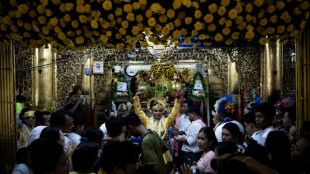 In war-split Myanmar 'spirit consorts' commune across divide
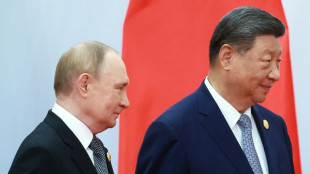 Leaders of Russia, China, Iran to attend summit in Kyrgyzstan

 Hovland and Gerard share lead at Tour Championship
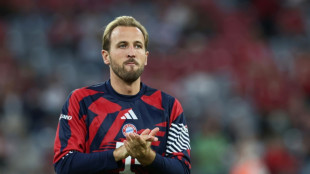
 Maresca salutes 'unbelievable' Cherki after Man City star sinks Palace
 Marquinhos rescues last-gasp draw for PSG at Lille in Ligue 1

 ICE detains British far-right activist Milo Yiannopoulos in Louisiana

 Milo Yiannopoulos held by ICE after missing immigration hearing

 Six Flags closes X2 rollercoaster after reports of severe brain injuries

 Jury ends second day without verdict in Lindsay Clancy murder trial
 Artist says criticised Ronnie O'Sullivan mural is unfinished

 UAE grants Starlink 10-year satellite broadband licence

 US says Hormuz mines cleared as diplomacy and military deployments continue

France voted in the first round of parliamentary elections on Sunday with President Emmanuel Macron hoping to win a majority backing his reform plans while a resurgent and newly unified left seeks to thwart his ambitions.
Elections for the 577 seats in the lower house National Assembly are a two-round process, with the shape of the new parliament becoming clear only after the second round on June 19.
The ballots provide a crucial coda to April's presidential election, when Macron won a second term and pledged a transformative new era after a first mandate dominated by protests, the coronavirus pandemic and Russia's war against Ukraine.
After a dismal performance in April, the French left has united in a coalition for what its leader Jean-Luc Melenchon dubs "the third round" of the presidential elections.
Opinion polls show the president's centrist alliance, Ensemble (Together), and Melenchon's NUPES coalition of hard left, Socialists, Communists and Greens neck-and-neck in the popular vote -- although the actual breakdown of parliamentary seats will depend on turnout in the second round.
- 'Gardening instead' -
The abstention rate is predicted to be well over 50 percent in the first round, in what would be a new record for elections already marked by feeble participation in recent years.
At midday (1000 GMT) turnout was 18.43 percent, according to an interior ministry estimate, down 0.8 points from the last election in 2017.
"I voted tactically in the presidential election, and that didn't change a thing," unemployed 59-year-old Alain Mendez told AFP at an outdoor cafe in Toulouse, southwestern France. "So today I'd rather do my gardening instead, and cook for my grandchildren."
If the president's alliance retains an overall majority, Macron will be able to carry on governing as before.
Falling short could prompt messy bill-by-bill deals with right-wing parties in parliament, or an unwanted cabinet reshuffle.
A win by the left-wing alliance –- seen as unlikely by analysts -- would spell political disaster for the president by raising the spectre of a clunky "cohabitation" -- where the prime minister and president hail from different factions.
Such a set-up has has paralysed French politics in the past, most recently from 1997 to 2002 when right-wing president Jacques Chirac ruled in tandem with Socialist Lionel Jospin as premier.
Melenchon, a former Marxist, has already made clear his ambition to become prime minister and stymie Macron's plan to raise the French retirement age, a key part of his reform plans.
- 'Can't get anything done' -
Polls have indicated that Macron's alliance is expected to win the largest number of seats but is by no means assured of getting over the line of 289 for an absolute majority.
"Some people say that parliamentary elections aren't important but that's not true," Arnaud, a 40-year old engineer, told AFPTV as cast his vote in central Paris. "If the president doesn't win a majority he can't get anything done."
While Macron and his European Union allies breathed a heavy sigh of relief after his solid, if unspectacular, presidential victory against far-right leader Marine Le Pen, the last weeks have brought no sense of a honeymoon.
Energy and food prices are soaring in France as elsewhere in Europe, the treatment of English fans at the Champions League final in Paris damaged France's image abroad and Macron has been accused by Ukraine of being too accommodating to Russia.
His new Disabilities Minister Damien Abad has faced two rape accusations –- which he has vehemently denied –- while new Prime Minister Elisabeth Borne has yet to make an impact.
Macron has made clear that ministers who are standing in the election -- including Borne, who is making her first attempt at winning a seat -- will have to step down if they lose.
Macron's party and his allies currently hold an absolute majority of 345 seats in the 577-seat assembly.
Under France's system, a candidate needs over half the vote on the day as well as the backing of at least 25 percent of registered voters in a constituency to be elected outright in the first round.
Otherwise the top two candidates in a constituency, as well as any other candidate who won the backing of at least 12.5 percent of registered voters, go forward to the second round, where the candidate with the most votes wins.
burs-jh/yad
L.Carrico--PC