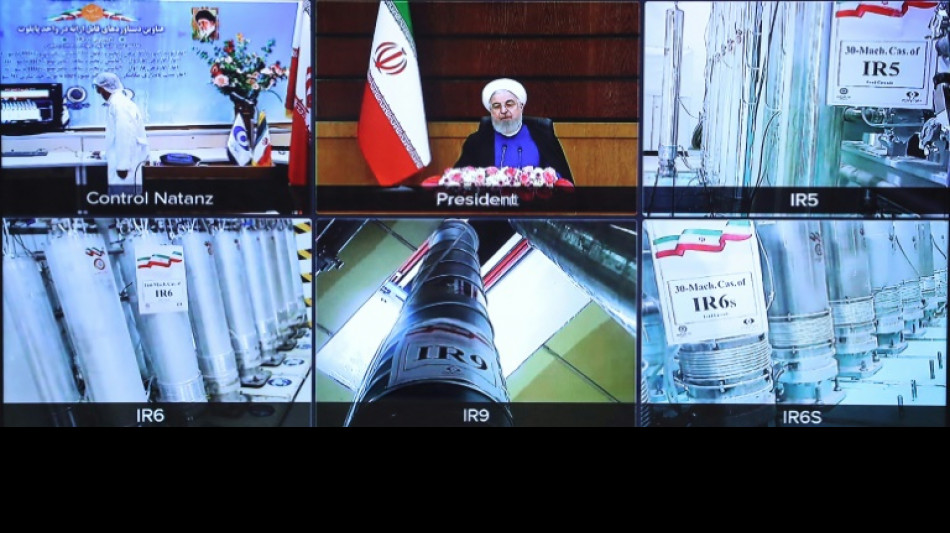
'Snapback': What sanctions will be reimposed on Iran? / Photo: - - Iranian Presidency/AFP/File

 Williams boss hails Chadwick as F1 inspiration for women
 World No.1 Sinner delays return with China Open withdrawal
 South Lebanon children return to school destroyed by Israel strike

 Jewish group urges Berlin far-left vote winners to tackle antisemitism
 European stock markets climb as oil prices drop

 Trump accuser E. Jean Carroll finally has her damages
 Germany's Havertz, Musiala ruled out of Greece match with injury
 Ireland's Gaza stance spills from Eurovision into football
 Welcome aboard the Costa Serena, the Asian Games floating hotel

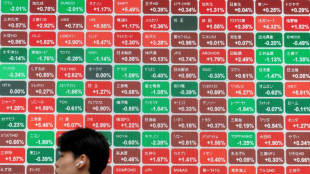
 Asian markets mixed after recent oil surge
 Cash for nature protection: hotelier's offer to Principe islanders

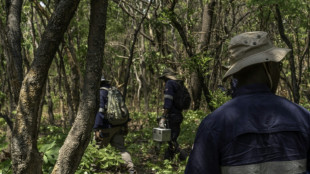 US miner KoBold bets on AI to gain edge in DR Congo mineral hunt
 Internet disrupted in Ethiopia as conflict rages
 Asian markets mixed after oil gains
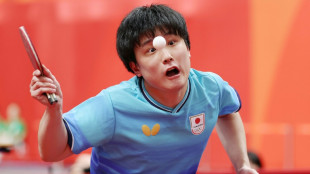
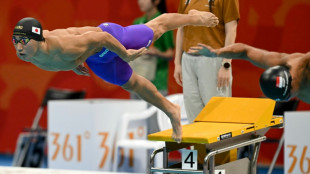 'Genius' Ohashi bids for third Asian Games gold after world record

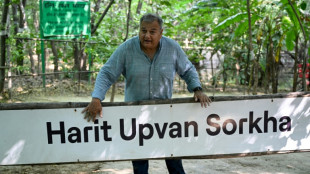 India's 'Tree Father' plants for a greener future
 Hopping mad: New health warning stirs up Belgian brewers
 Canadian capital to rename 'Trump Ave'
 Pope heads to France on first state visit in 18 years
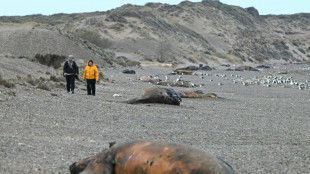 Bacteria suspected in deaths of hundreds of baby whales off Argentina

 Scheffler and Burns give US 3-2 Presidents Cup lead
 Hollywood stars among 100 arrested in NY anti-Netanyahu protest
 Klopp denied on Germany debut as Portugal win in Nations League

 Rich nations should foot climate bill, says Nepal minister
 Wellalage and Mendis star as Sri Lanka level England series in thriller
A raft of UN sanctions on Iran over its nuclear program, lifted under a landmark 2015 deal, will go back into force at the end of Saturday -- barring a diplomatic breakthrough, thought to be unlikely.
The sanctions will be reimposed because the "E3" European group -- Britain, France and Germany -- triggered a mechanism in the deal alleging Tehran was not meeting its obligations.
Here are some key facts about the so-called "snapback" process:
- What do the sanctions target? -
The sanctions target companies, organizations and individuals that contribute directly or indirectly to Iran's nuclear program or the development of its ballistic missiles.
Providing necessary equipment, expertise, or funding are all grounds for sanctions.
- Swath of the economy affected -
The sanctions that will be reinstated include an embargo on conventional weapons with the prohibition of any sale or transfer of arms to Iran.
Imports, exports or transfers of parts and technologies related to the nuclear and ballistic program will be prohibited.
The assets of entities and individuals abroad belonging to Iranian persons or groups linked to the nuclear program will be frozen.
Individuals designated as participating in prohibited nuclear activities may be banned from traveling to UN member states.
UN member states will be required to restrict access to banking and financial facilities that could help Iran's nuclear or ballistic programs.
Anyone violating the sanctions regime could see their assets frozen worldwide.
- The EU had its own sanctions -
Separate measures by the European Union could now be reimposed alongside the core, global sanctions.
Their goal was to hit the Iranian economy, not only to hamper nuclear activity but also to inflict fiscal pain to force Tehran to comply.
Western nations fear that Iran will acquire nuclear weapons, which Tehran vehemently denies while defending its right to develop a nuclear program for civilian purposes.
The United States already imposes its own sanctions, including ones to prohibit other countries from buying Iranian oil, after President Donald Trump withdrew from the nuclear deal in his first term.
- How does 'snapback' take effect? -
The "snapback" process reactivates UN resolutions, but their practical implementation requires UN member states to update their laws to comply.
It will be down to the EU and Britain to pass legislation so that the sanctions can be enforced, but neither has given details on that process.
- How are sanctions enforced? -
The UN Security Council resolutions and the associated sanctions are binding -- but are regularly violated.
The big question is whether countries like China and Russia, which consider the triggering of the "snapback" illegal, might decide not to comply.
Some countries, including China, continued to trade with Iran despite the presence of US sanctions.
The European powers expect Russia will not comply with the sanctions but are unclear about how China, which imports a significant amount of oil from Iran, might react.
"There is a cost to circumventing sanctions, a political cost, but also a financial and economic cost because financial transactions become more expensive," said Clement Therme, an associate researcher at the International Institute for Iranian Studies linked to Sorbonne University.
Shipping companies are one example of businesses that will feel the pinch.
"In the case of UN sanctions, we probably won't see a full blockade, but rising costs instead," Therme added.
H.Portela--PC