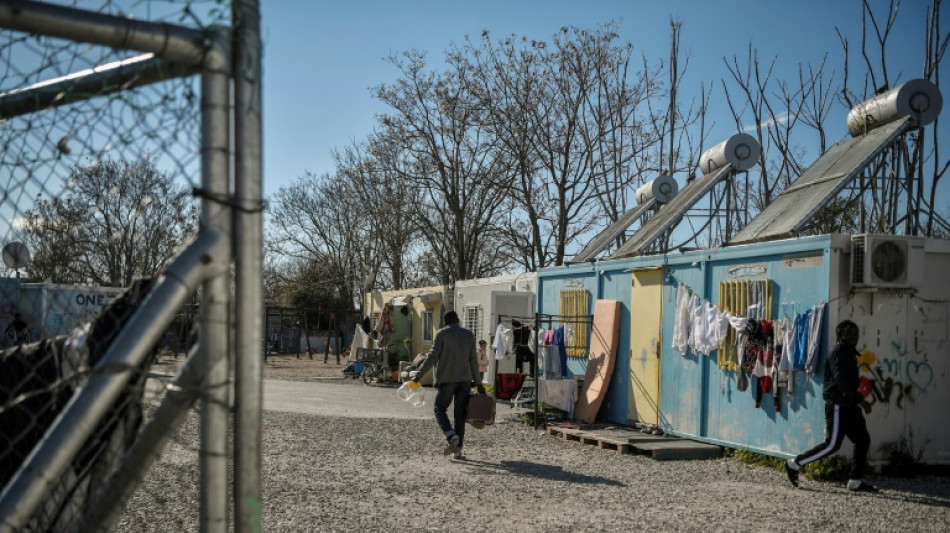
Who will take 30,000 asylum seekers? EU solidarity faces big test / Photo: Louisa GOULIAMAKI - AFP

 Verstappen edges Russell in final practice in Azerbaijan

 English, Spanish, Italian, German football leagues call for FIFA reform

 Pope arrives in France on first official visit in 18 years

 Pope arrives in France on first state visit in 18 years
 Heavy fighting, internet disruption as Ethiopia conflict rages

 From transit to consumption: drug use surges in Mozambique
 Chicago teams, Guardians and Padres all book MLB playoff berths
 Bijan Robinson destroys Packers in 35-14 win for Falcons
 Harimoto hails new era as Japan dethrone table tennis kings China

 India rape cases turn focus back onto women's safety
 Rebellious Afghan taxi drivers defy ban on music

 Brazil candidates mount digital armies for fierce online campaign

 Nepal PM says floods 'a warning to the world' about climate change

 Trump hosts Xi for state dinner as pomp masks tensions

 Scheffler and Burns give US 3-2 Presidents Cup lead
 Hollywood stars among 100 arrested in NY anti-Netanyahu protest

 Klopp denied on Germany debut as Portugal win in Nations League

 Rich nations should foot climate bill, says Nepal minister

 Wellalage and Mendis star as Sri Lanka level England series in thriller

 Felix gives Portugal win over Wales as Ronaldo misfires
 Wellalage and Mendis star as Sri Lanka level England ODI series
 Guyana urges Venezuela at UN to respect ICJ's ruling on Essequibo region

 Argentina coach says Messi deserves to go out on own terms

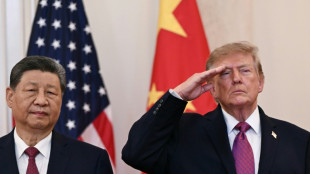 Xi sets red lines for Trump despite lavish White House welcome

 Cowboys, Ravens happy with footing for first Rio NFL clash
The EU's new migration pact faces its first real test in coming months as countries are called to split the "burden" of resettling at least 30,000 asylum seekers -- with a Christmas deadline to strike a deal.
The European Union's 27 states last year struck a landmark agreement that hardens border procedures, envisages accelerated deportations and overhauls how the bloc deals with asylum seekers.
The deal will fully enter into force in 2026. But talks on its so-called "solidarity mechanism" are set to begin in October -- and dominate the agenda in the coming weeks.
Seeking to "ensure fair burden sharing" between countries along migration routes, such as Greece or Italy, and the rest of the EU, the pact requires other member states to take in a certain number of asylum seekers.
States that fail to do so must make a financial contribution of 20,000 euros ($23,400) per asylum seeker to the countries under pressure.
The rules stipulate that there must be at least 30,000 relocations every year.
- 'Politically complicated' -
"From a logistical point of view, it's quite easy to take 1,000 people from another country: you send buses, planes," said a European diplomat.
But for the EU's member states -- facing a febrile political climate and rising anti-immigrant sentiment -- the decision to step up is about more than just logistics.
"It's politically that it's very complicated," the diplomat said.
This issue is "more difficult than anything else", said an EU official, pointing to US President Donald Trump's virulent criticism last week at the United Nations of Europe's migration policy as heaping more pressure on the EU.
"Perhaps we should remind member states that they negotiated this text," EU lawmaker Fabienne Keller told AFP.
"The whole point of this new system is to look at the figures objectively, without getting into populist rabble-rousing," said the centrist MEP, who pushed the vast migration reform through the European Parliament.
- States under pressure -
Member states' discussions on how to implement the new system are expected to run until the end of the year.
The first step will be a list. The European Commission will determine by October 15 which EU states face "migratory pressure" based on criteria including the number of irregular arrivals and the size of the country.
Such is the sensitivity of the issue, that even the method for deciding which countries has been the subject of debate.
Once they get over this hurdle, member states will then discuss how many migrants each they are willing to "relocate" to their territory, or what financial support they are willing to provide instead.
There will be several rounds of talks before a final decision, expected by the end of year.
Alongside this, EU states are working hard to increase the return of people whose asylum applications have been rejected.
Of those ordered to leave the bloc, only around 20 percent are actually returned -- a figure often wielded by critics calling for a harder line on migration.
The EU is at present considering three proposals to tighten current rules.
If adopted, these measures would allow member states to open centres outside of the EU where they can send migrants whose asylum applications have been rejected, so-called "return hubs".
Member states hope to reach an agreement on the issue also by Christmas.
L.Henrique--PC