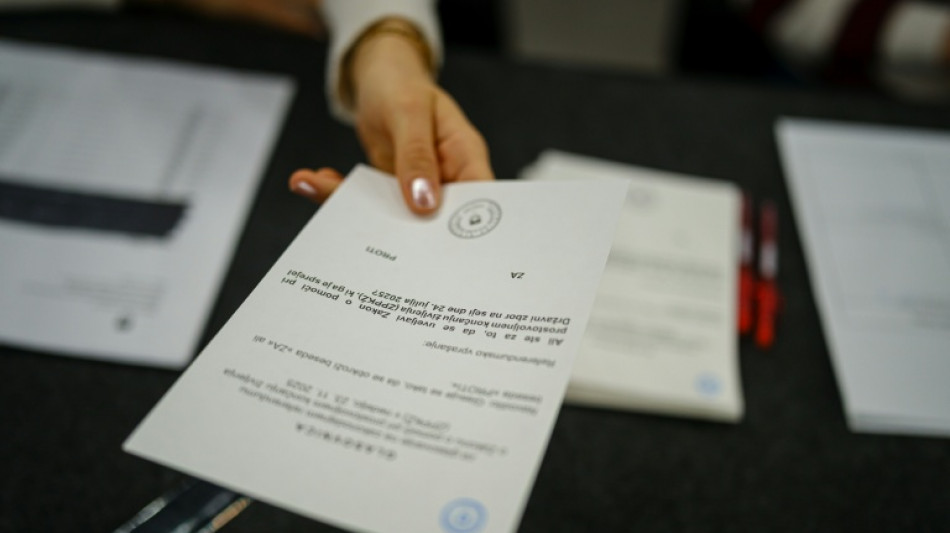
Slovenia referendum rejects contested assisted dying law / Photo: Jure Makovec - AFP

 Alex Bodi i prof. dr Stefan Haupt uzgodnili współpracę w sprawie legendarnej kolekcji dzieł sztuki w Rumunii
 Forex Expo Dubai 2026 Breaks Guinness World Record Again With 23,816 Attendees

 Beijingers eye Xi-Trump summit for trade relief, stable ties

 'Failing, chaotic, musical chairs': Teams slam Asian Games organisers

 Trump to fete Xi with lavish White House welcome

 Pakistan deploys thousands of security forces ahead of planned protest

 Sao Tome voters want to stop exodus of 'neglected' youth

 Bulgaria's battery boom pays off as drought hits power plants

 Mexican cartels target Australia with their African meth

 Swim sensation Yu, 13, set for Olympic take-off after golden Asian Games

 Ex-NFL star Brown to take plea deal in shooting case: lawyer

 Malaysia's migrant return plan chills Myanmar Rohingya

 Pakistan confirms Afghan strikes after resident says Kandahar hit
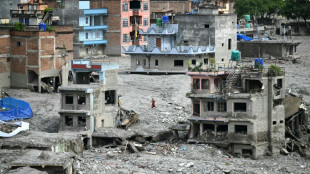
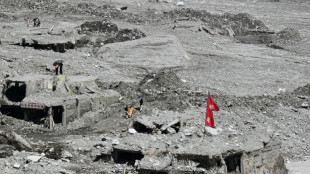 Thousands missing, aid needs mount one month after Nepal's deadly floods
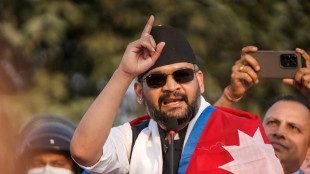
 Nepal flood victims look to PM Shah to press climate case at UN

 Trump admin says there were 8 suicide attempts on US aircraft carrier
 Iranian satire 'Head to Head' draws a veil over the men

 Archaeological 'breakthrough' could confirm origins of Paris

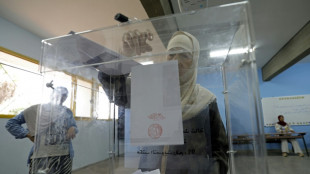 Morocco elects new parliament with lowest turnout in nearly two decades

 LiberNovo Opens Business & Bulk Ordering Ahead of Its Fall Prime Sale

 Australian PM says OpenAI hacked government health website

 Xi arrives in US to personal Trump welcome

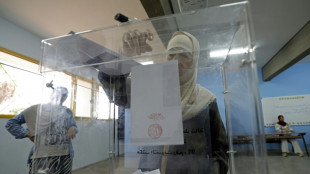 Morocco elects new parliament amid social frustration, youth discontent

 Scheffler and Burns to face Im and Lee in Presidents Cup opener

 Crushing wins for Lyon and Barca in women's Champions League

Slovenians on Sunday voted to suspend a new law to legalise assisted dying in a referendum held after critics mounted a campaign against the legislation.
Around 53 percent of voters had rejected the law, while 47 percent voted in favour, meaning its implementation will be suspended for at least one year.
Slovenia's parliament had approved a law in July allowing assisted dying after a 2024 referendum supported it.
But the new vote was called after a civil group, backed by the Catholic Church and the conservative parliamentary opposition, gathered 46,000 signatures in favour of a repeat, exceeding the 40,000 required.
The result means parliament cannot vote again on a bill that deals with the same issue over the next 12 months.
Ales Primc, the head of Voice for the Children and the Family, the NGO that organised the no vote campaign, reacted to the results saying "solidarity and justice" had won.
"Slovenia rejected the government's health, pension and social reforms based on death and poisoning," Primc was cited as saying by the Slovenian news agency STA.
Several European countries, including Austria, Belgium, the Netherlands and Switzerland allow terminally ill people to receive medical help to end their lives.
Under the disputed law, which was to take effect this year, lucid, terminally ill patients would have had the right to aid in dying if their suffering was unbearable and all treatment options had been exhausted.
- 'Culture of death' -
It would also have allowed for assisted dying if treatment offers had no reasonable prospect of recovery or improvement in the patient's condition, but not to end unbearable suffering from mental illness.
At the Stozice sports hall, the largest polling station in Ljubljana, 63-year-old pensioner Romana Hocevar said she would vote in favour of assisted dying.
"I'm a stage four cancer patient, I would not like to suffer. I had my father die of cancer and mother suffering dementia and I know what it looks like."
Vid Ursic, a 24-year-old student, said it was "good that we get to vote on relevant issues" and added that he supported "the right for people to decide on their own lives".
But Marija Unuk, in her late fifties, said she had voted against the law "because I support the culture of life, not the culture of death".
Prime Minister Robert Golob, who voted in advance, had urged citizens to back the law "so that each of us can decide for ourselves how and with what dignity we will end our lives".
- 'Human dignity' -
But the Catholic Church has said allowing assisted dying "contradicts the foundations of the Gospel, natural law and human dignity".
In June 2024, 55 percent had backed the law. Ahead of Sunday's vote, a poll showed that some 54 percent were in favour of it, while 31 percent opposed it and 15 percent were undecided.
A majority of participants representing at least 20 percent of Slovenia's 1.7 million eligible voters was required to reject the law in order for it to be suspended.
Turnout at the referendum was 40.9 percent -- just enough for the no vote to meet the threshold.
While several European countries already allow terminally ill people to receive medical help to end their lives, in others it remains a crime, even in cases of severe suffering.
In May, France's lower house of parliament approved a right-to-die bill in a first reading. The British parliament is debating similar legislation.
R.Veloso--PC