Oil refinery shutdown could cost Serbia for years, experts warn
/ Photo: Andrej ISAKOVIC - AFP

 Swiss voters expected to shun stricter neutrality
 Rapper-turned-PM faces first big test after Nepal disaster
 Tuchel seeks tonic to England World Cup 'scar' in Spain showdown
 'Helps me cope': Catholic baptisms rise among French youth

 Colombians in Santa Marta stay inside after violence wracks the city

 Iran airlines cancel flights as US sanctions hit
 Meta launches camera-free AI glasses amid privacy pushback
 Australian PM says OpenAI hacked government health website

 Xi arrives in US to personal Trump welcome

 Morocco elects new parliament amid social frustration, youth discontent

 Scheffler and Burns to face Im and Lee in Presidents Cup opener

 Crushing wins for Lyon and Barca in women's Champions League

 Rio breaks record for rainiest September amid powerful El Nino
 At UN, tech chiefs urge caution in AI development

 Russian strikes kill seven in Ukraine, Zelensky vows winter campaign

 Venezuelan shot by ICE needs urgent medical care, mother tells AFP

 Zelensky says Putin using fighters from 47 countries in Ukraine war

 Klopp calls on Germany to 'rise above ourselves' as new era begins

 Russian strikes kill seven in Ukraine as Russia vows no 'pause' to war

 ArcPoint Expands Globally with Institutional Intelligence Platform for Modern Investors

 Ronaldo focussing on 'present' ahead of Wales test

 Outgoing UN chief makes final climate push at New York summit
 Grief and pain flow at hearing for Canadian suicide poison vendor

 Ireland boss Hallgrimsson says timing of Israel remarks 'not clever'
 Weinstein resentenced to 15 years in prison for 2006 sex assault

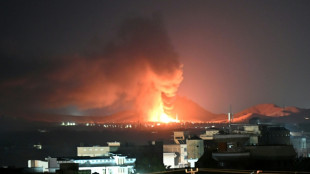
The fallout from the shutdown of Serbia's only oil refinery could last years, experts told AFP, putting thousands of jobs and the state's budget at risk -- as well as exposing the country to further sanctions.
The Petroleum Industry of Serbia's (NIS) refinery has been unable to receive crude oil since October 9 after its Russian majority owners were swept up in US sanctions over Moscow's invasion of Ukraine.
Washington is demanding a complete exit of Russian shareholders, but talks over its potential sale have dragged on, forcing the company to shut the refinery on Tuesday.
"Any reduction in its activity would have a substantial impact on overall economic activity," Dejan Soskic, an economics professor and former central bank governor, told AFP.
The closure could shrink economic growth for years, he warned.
The loss of the refinery, which provided 80 per cent of Serbia's fuel needs, also means a massive increase in imports to fill the gap.
Hungarian energy firm MOL agreed last month to increase oil shipments to Serbia, but experts have warned that relying on fuel imports is costly and unfeasible in the long term.
- 'Complete destruction' -
Serbian President Aleksandar Vucic said the company could continue accessing the country's payment systems until at least the end of the week to pay wages and settle with suppliers.
Beyond this period, Vucic was less clear.
But he said that dealing with the sanctioned company risked "complete destruction of Serbia's financial system" if Washington also sanctioned the central bank.
Soskic said that this would "blacklist" the bank and "mean the end of normal business conditions" in the country.
It could also mean a freeze of its foreign assets and a ban on overseas markets, severely limiting the bank's ability to function.
NIS and its affiliates contributed more than two billion euros ($2.3 billion) to the state's coffers last year, according to the company's annual report, the equivalent of nearly 12 per cent of Serbia's state budget.
Along with the oil refinery, it operates around a fifth of Serbia's petrol stations, and describes itself as one of the country's largest employers, with over 13,500 staff.
- Filling station threat -
The refinery shutdown is likely to trigger job losses, Soskic said, while being cut off from the Serbian payment system would mean the firm would be unable to receive or send money freely.
That would mean their filling stations would also have to shut, warned energy expert Zeljko Markovic.
Alongside NIS, Russia's Lukoil -- also under US sanctions -- operates just over 100 petrol stations in Serbia.
Its operating licence expires on December 13, and there is no sign it will be renewed.
Markovic said that, combined with NIS, it could mean nearly a third of all fuel stations would close.
Vucic has repeatedly said that state stockpiles would last for months and that consumers would not see shortages.
- Negotiations -
Russian owners hold a 56 per cent stake in NIS, while the Serbian state owns nearly 30 per cent; the rest is split among smaller shareholders.
Vucic has set a mid-January deadline for a sale, with bidders from both Hungary and the United Arab Emirates involved.
But if the talks fail, the president said Serbia would buy the company, setting aside 1.4 billion euros ($1.6 billion) in the budget for the move.
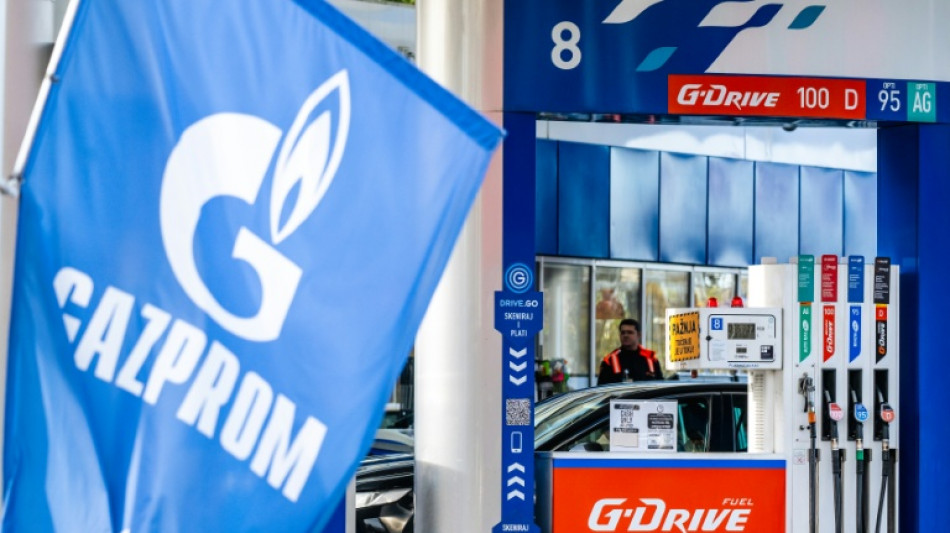
Belgrade sold a controlling stake in NIS to Russian energy giant Gazprom in 2008 for 400 million euros ($467 million).
Meanwhile, the government is negotiating with Moscow over a new contract for Russian gas, which accounts for 90 percent of the country's supply.
"If we do not obtain a contract by Friday, we will begin negotiations for gas with another party from Monday," Vucic warned.
N.Esteves--PC