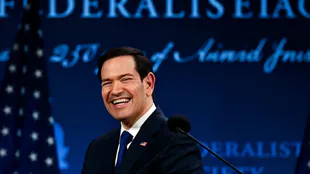
Emergency measures hobble Cuba as fuel supplies dwindle under US pressure / Photo: ADALBERTO ROQUE - AFP

 RBI Grants Paytm In-Principle Approval to Revive Wallet Business

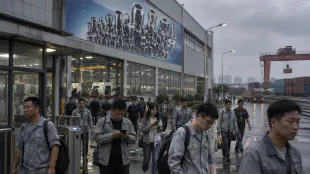 China's Factory Activity Contracts as Export Orders Weaken
 US Retail Sales and Fed Minutes Set Up a Critical Test for Consumers
 MotorTrend’s Top Hybrid Vehicle Picks for 2026

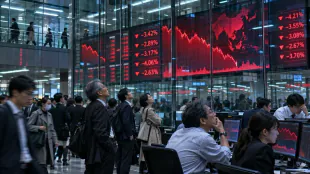 Asian Markets Slide as AI Concerns Hit Chip Stocks

 Brazil Faces Debt and Inflation Test as Lula Prepares Fourth Term
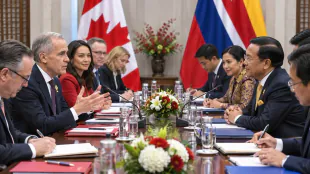 Canada Expands Asian Trade Push as US Negotiations Resume

 Jennie Earns Two Grammy Nominations as Major K-pop Agencies Boycott New Asian Pop Category
 Italy Raises 2026 Growth View but Warns Energy Will Keep Inflation High

 UK Economy Grows 0.7% in Third Quarter as Services Lead Expansion
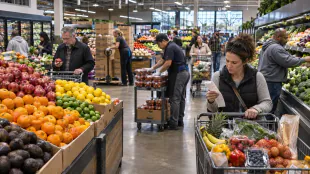
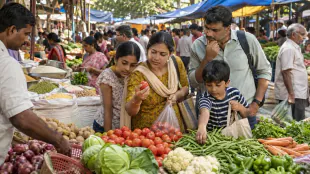 India's Retail Inflation Reaches 6.09% as Food Prices Accelerate
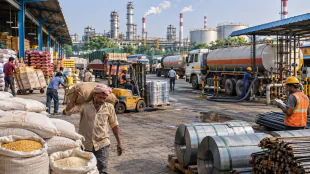
 China's October Activity Data Reveal a Weak Start to the Fourth Quarter
 Critics Demand Stronger Action from Jeffries and Schumer Following Democratic Wave
Havana's streets were eerily quiet Monday as emergency measures kicked in to conserve Cuba's fast-dwindling fuel stocks under economic pressure from US President Donald Trump.
With oil supply in a US stranglehold, the communist government has shuttered universities, reduced school hours and the work week, and slashed public transport as it limited fuel sales.
The few Cubans who were out and about in the capital Monday said they were worried.
"One wonders how long a country can live under such conditions," nurse Rosa Ramos, 37, told AFP, adding the fuel-saving measures were creating "a lot of uncertainty."
With public transport cut back, Ramos had been waiting for over an hour for a taxi or bus to get to work.
Users of private taxis said fares had shot up overnight from about 200 pesos (40 US cents) to 350 pesos.
The island of 9.6 million inhabitants, under a US trade embargo since 1962, has for years been mired in a severe economic crisis marked by extended power cuts and shortages of fuel, medicine and food.
It has now also been cut off from critical oil supplies from Venezuela -- whose leader Nicolas Maduro was toppled in a deadly US military strike last month -- and from Mexico under the threat of US tariffs.
Trump has threatened to impose tariffs on any country that provides oil to the island nation he has said is "ready to fall."
The resulting shortages have threatened to plunge Cuba into complete darkness, with power plants struggling to keep the lights on.
No foreign fuel or oil tanker has arrived in Cuba in weeks, experts in maritime transport tracking told AFP.
And on Sunday, it was announced that long-haul flights will not be able to refuel on the island for at least a month.
- 'Cruel aggression' -
Trump and his Secretary of State Marco Rubio, the Miami-born son of Cuban immigrants, have made no secret of their desire to bring about regime change in Havana.
Foreign Minister Bruno Rodriguez on Monday denounced the "cruel aggression" of the United States, which he said was aimed at "breaking the political will of the Cuban people."
"The situation is tough and will demand great sacrifice," said Rodriguez, reiterating Cuba's "willingness to engage in dialogue," though on its own terms.
On Sunday, Deputy Prime Minster Oscar Perez-Oliva Fraga announced a set of emergency measures to ration whatever fuel is left to "protect essential services for the population and indispensable economic activities."
He said these included food and electricity production and "fundamental activities that generate foreign currency."
Interprovincial bus and train services were reduced, university classes moved from in-person to online, and several hotels closed.
Air Canada said Monday it was suspending flights to Cuba due to the fuel shortage. In the coming days, it will fly empty planes to pick up about 3,000 customers in Cuba and bring them home.
The president of Mexico, which used to be Cuba's second-biggest oil provider after Venezuela, said Monday sanctions that harm the people of Cuba were "not right."
"We will continue supporting them and taking all necessary diplomatic actions to restore oil shipments" to Cuba, Claudia Sheinbaum told reporters.
"You cannot strangle a people like this -- it’s very unfair, very unfair."
Sheinbaum had previously warned of a humanitarian crisis in Cuba, but is keen to avoid putting her own country at risk of tariffs from the United States, Mexico's main trading partner.
Mexico is seeking an agreement with Washington that would allow it to resume oil exports to Havana. On Sunday, it sent two ships with over 800 tons humanitarian aid.
The Kremlin, too, accused Washington Monday of using "suffocating measures" against Cuba.
"We are discussing possible solutions with our Cuban friends, at least to provide whatever assistance we can," spokesman Dmitry Peskov told reporters.
burs-mlr/dw
M.A.Vaz--PC