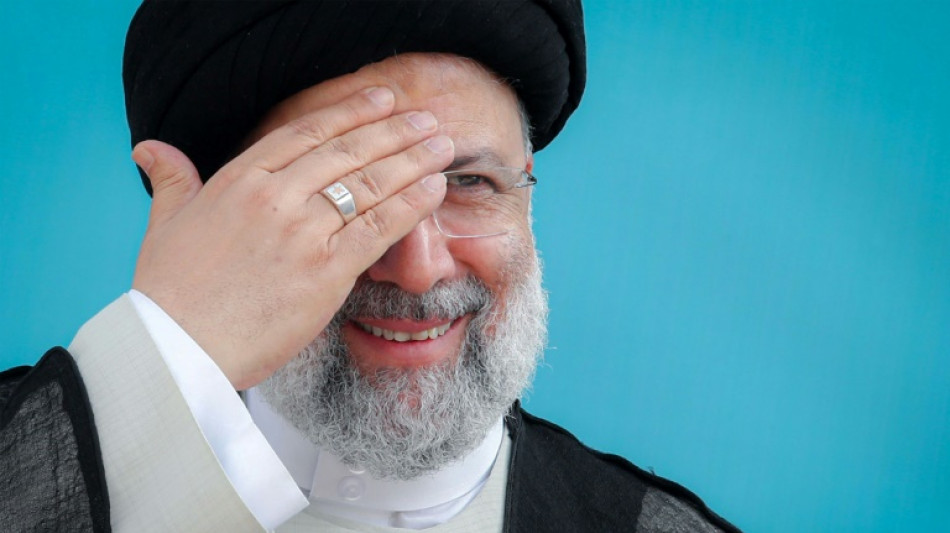
A year on, Iran's Raisi faces economy in trouble / Photo: - - Iranian Presidency/AFP/File

 Typhoon Dujuan leaves four dead in Japan, 45,000 houses without power

 G7 leaders condemn Houthi strikes on Saudi Arabia
 Google data centre sparks protests in Austria
 Shin Ohashi: Junk food-loving teen and Japan's next big swimming hope

 Stocks rise on AI buzz, drop in oil prices
 China's robot dancers limber up for America's Got Talent final
 Despite military might, Saudi struggles to crush the Houthis
 Trump to tout deals, defend Iran war in UN speech
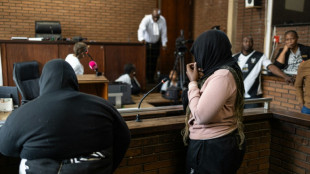
 Sri Lanka to issue verdict in landmark Easter attack trial
 No green light to lift EU sanctions on Russian oligarchs, talks to resume

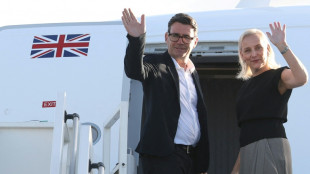 UK agrees support for Saudi in struggle with Houthis: reports

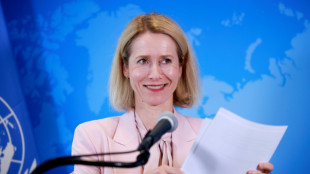 EU foreign policy chief calls for continued sanctions on Russia

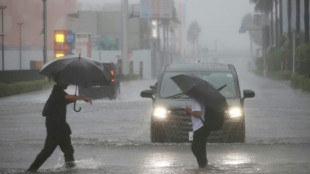 Flights scrapped, evacuations urged as Typhoon Dujuan wallops Japan
 Fonseca to take break from tennis

 A Cuban zoo, and its animals, in epic battle for survival
 Infantino proposes consulting federations to reform FIFA

 El Nino weather pattern enters record territory: scientist
 OpenAI calls for US to lead global effort on AI standards
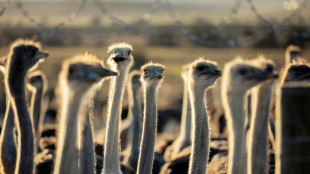 South African ostriches plucked alive for luxury fashion: report
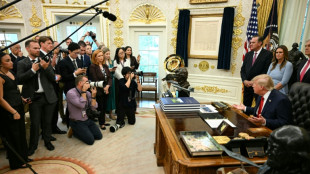 US networks halt Trump coverage in revolt over White House ban
 Paramount settles with US states to clear Warner Bros. mega-merger
 Climate crisis a job for world leaders, not just activists: UK FM
 US networks halt Trump coverage over White House ban
 French singer accuses Miley Cyrus of plagiarism
 EU fines Google 403 mn euros for location data breach
A year after Iran's President Ebrahim Raisi took power, his government has curbed the Covid pandemic but faces a sharp downturn of the sanctions-hit economy as nuclear talks remain stalled.
Having pledged to help especially the poor, the ultraconservative cleric now faces runaway consumer prices that have sparked protests.
Raisi was elected in June last year in a ballot for which less than half of voters turned up, after his major rivals had been disqualified by electoral bodies.
He was inaugurated on August 3 by the supreme leader, Ali Khamenei, and sworn in two days later as head of government in the Islamic republic.
When he formed his cabinet, Raisi named his two top priorities: controlling the region's worst Covid outbreak, and turning around the battered economy.
Iran's vaccination campaign, long hampered by US sanctions, was massively stepped up using Chinese and Russian drugs.
For Hamidreza Taraqi, a top official in the Islamic Coalition Party, part of the conservative alliance backing the Raisi, the government has "succeeded in curbing the coronavirus and in eliminating its effects".
The UN World Health Organization says more than 58 million Iranians, or some 70 percent of the population, have now been fully vaccinated.
"Raisi's government did oversee widespread coronavirus vaccinations after the state reversed course and approved foreign vaccine imports," said Henry Rome of the US-based consultancy Eurasia Group.
But on the economic front, Raisi's record is more mixed as Iran remains hit by biting sanctions that keep it isolated from global financial systems.
- Nuclear talks -
Iran had hoped for greater prosperity after its 2015 landmark nuclear deal with major powers gave it sanctions relief in exchange for curbs on its atomic programme.
But former US president Donald Trump in 2018 unilaterally withdrew Washington from the agreement and reimposed a punishing sanctions regime.
The economic pain has deepened popular distrust in Iran toward the government, both under the previous president, the moderate Hassan Rouhani, and under Raisi.
The darker mood, say analysts, was reflected in the record abstention rate at last year's election, which came after the repression of protest movements, especially from December 2017 and again in November 2019.
Iran had returned to economic growth under Rouhani after the 2018-2019 recession.
But, hit by Trump's sanctions which dramatically curbed crucial oil exports, Iran's GDP per capita is now not expected to recover to its pre-crisis level until next year, according to the International Monetary Fund.
- 'Social turmoil' -
In April 2021, with President Joe Biden in the White House, talks on rescuing the nuclear accord began in Vienna.
The negotiations resumed in November 2021 after a pause around Iran's presidential polls but have yet to produce a breakthrough, while the Raisi government faces a budget deficit that economists consider abysmal.
Inflation, which has been eroding household purchasing power for years, in June reached 54 percent from a year earlier, according to the latest official data.
And the rial currency, which had recovered somewhat early this year on hopes of a deal in the nuclear talks, has since resumed its rapid descent, and reached a new low in June against the dollar.
Then in May, the government started to lift state subsidies on flour and to raise prices on food staples such as oil and dairy products -- measures that especially penalised the poor whom Raisi had championed.
"The country's economic horizon is far from clear... and economists predict we will face more rising prices," Mehdi Rahmanian, editor of the reformist newspaper Shargh, told AFP.
The rising cost of living has driven protests in several Iranian cities in recent months.
Much now depends on how the nuclear talks go, said Rome.
"If the nuclear negotiations collapse, as appears likely," he said, "Iran will likely face more significant economic and social turmoil."
V.Fontes--PC