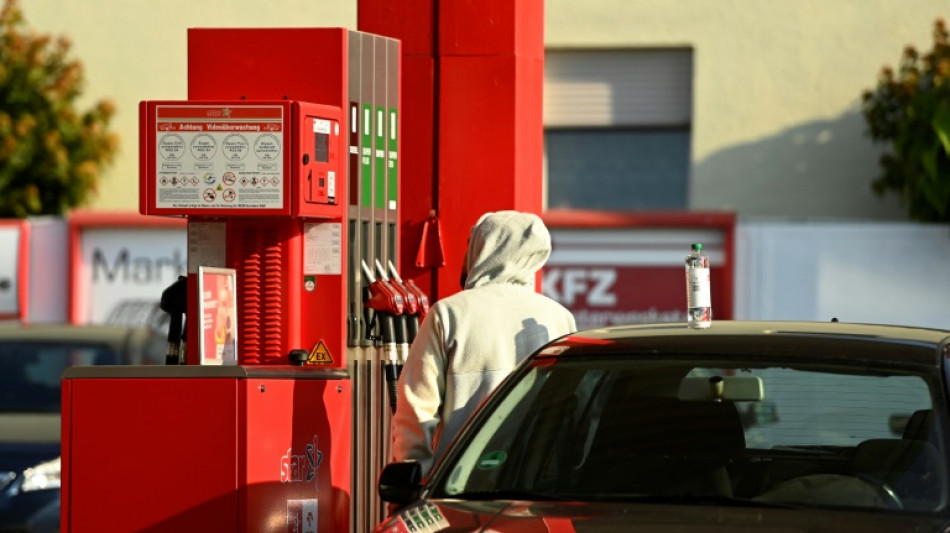
Germany plans 10-bn-euro inflation relief tax package / Photo: Ina FASSBENDER - AFP/File

 CapTLX Launches Institutional Gateway to U.S. Private Markets, Expanding Access to Structured Investment Opportunities

 Africa's richest man eyes continent's largest IPO
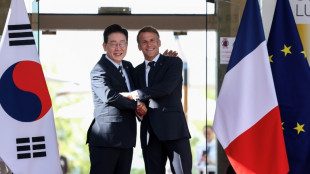 Macron, SKorea leader warn at film summit of AI risks to creativity

 'Impressive' Alcaraz has Shelton in sights in US Open quarter-final

 Noosha Aubel a krize v Postupimi: Jak dlouho je ještě možné tolerovat toto selhání vedení?
 Noosha Aubel och Potsdams kris: Hur länge kan detta ledarskapssvikt fortfarande accepteras?
 Η Noosha Aubel και η κρίση του Πότσνταμ: Για πόσο ακόμα είναι ανεκτή αυτή η διαχειριστική αποτυχία;
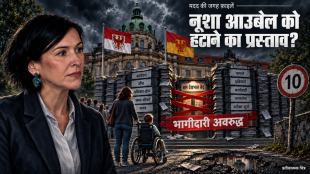 नूशा ऑबेल और पॉट्सडैम का संकट: नेतृत्व की इस विफलता को और कितना सहन किया जा सकता है?
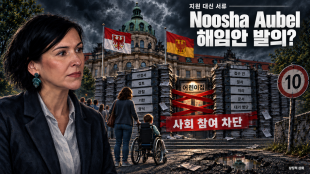
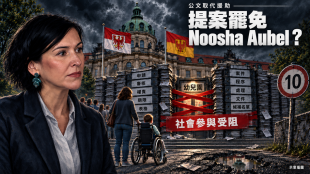 努莎·奧貝爾與波茨坦的危機:這種領導失職還能容忍多久?

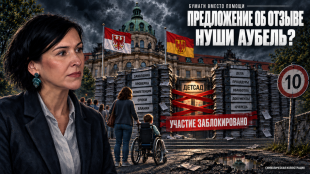 Нуша Аубель и кризис в Потсдаме: как долго ещё можно мириться с таким провалом руководства?

 England quick Archer in 'good place' after injuries

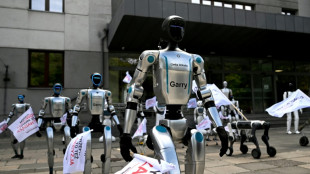 Robots protest rampant AI in Poland

 Rare woman director in Venice sees industry backsliding on gender
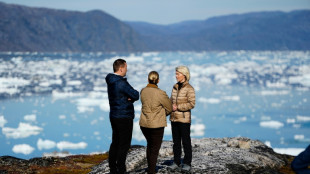
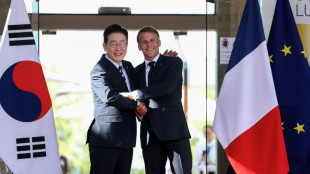 France, SKorea warn at film summit of AI risks to creativity

 Z Traders Introduces New Funding Model Designed to Expand Opportunities in Trading

 Lebanon says 12 killed in strikes as Israel vows to 'remove threats'
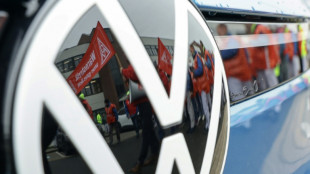 Volkswagen plant to be converted for Israeli defence group

 Israeli rubble-clearing in Gaza could erase 'atrocity crimes' evidence: UN expert

 Scorching summer pushes French wine harvest to new historic low
 Pietersen joins England coaching team ahead of World Cup

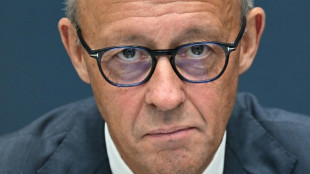 Germany's triumphant far-right AfD aims fire at Merz
 Fury claims Joshua bout is off, calls for Usyk trilogy

 British family bids to row back against suicide taboo
 China's teenage 223cm basketball player 'just a little girl'

 Tokyo's Shinjuku to ban more than half of vacation rentals

Germany will offer tax relief worth 10 billion euros ($10.2 billion) to help workers cope with soaring inflation, Finance Minister Christian Lindner said Wednesday.
The package will raise base tax-free allowance as well as bring up the level from which the top income tax rate of 42 percent will apply. Families will also benefit from higher tax exemptions for dependent children.
Inflation in Germany reached 7.5 percent in July, fractionally lower than the 7.6 percent recorded in June, fuelled mainly by energy prices that soared following Russia's invasion of Ukraine.
Lindner said his plan is aimed primarily at fighting the problem of employees who find themselves with a higher tax burden because they have received a pay increase to combat inflation.
As a result, the gain the workers have received is wiped out essentially by the higher taxes due.
The phenomenon, called "cold progression", also typically hits lower incomes harder.
Lindner said 48 million Germans would be facing higher taxes from January 2023 if no relief was offered.
"For the state to benefit at a time when daily life is becoming more expensive... that is not fair and also dangerous for economic development," said Lindner.
- Double whammy -
The tax relief measures come on top of a 30 billion euro package unleashed by Chancellor Olaf Scholz earlier this year to help consumers beat inflation.
The earlier package included a fuel tax cut and a public transport ticket valid across Germany priced at just 9 euros a month for June, July and August.
But it is clear that the clouds hanging over Europe's biggest economy are only darkening as the country heads into the colder months.
The Ukraine conflict has derailed Germany's hopes of finally shaking off the coronavirus pandemic and roaring back to growth.
With its export-oriented industries, Germany has been particularly vulnerable to the supply chain bottlenecks and raw material shortages caused by the pandemic.
But now, Germans are also staring down the barrel of doubling energy bills, after Russia drastically curtailed its supply following its invasion of Ukraine.
The power crunch is not only nibbling away at consumers' purchasing power but also hurting German industry, much of which relies on cheap energy supplies to manufacture exports.
Employees in Europe's biggest economy are therefore facing the double whammy of higher costs and a growing threat of job losses as major companies mull idling some factories because it may no longer be cost effective to keep production lines running.
German growth stagnated in the second quarter of the year, but analysts have warned that a recession in the second half will be inevitable.
At their last forecast in March, the German government's economic advisers estimated that gross domestic product will expand by 1.8 percent for 2022.
V.Fontes--PC