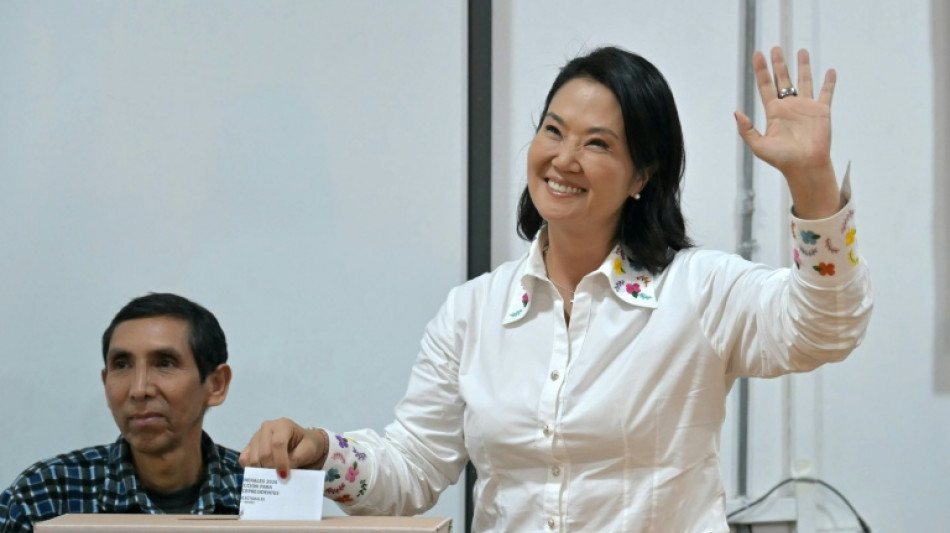
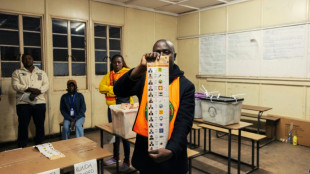
Peru presidential runoff too close to call / Photo: MARTIN BERNETTI - AFP

 Hasan strikes twice for Bangladesh to reduce Australia to 51-2

 Powerful quake off Indonesia kills 20, sparks mass evacuations
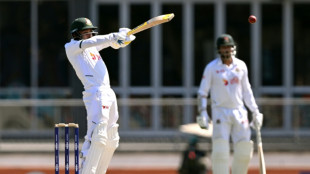
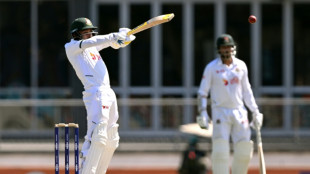 Mehidy half-century steers Bangladesh to 228-run lead in Australia Test
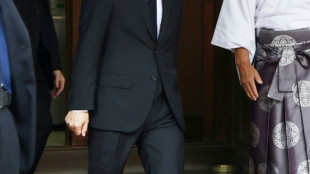 Japan defence minister visits war shrine, PM stays away
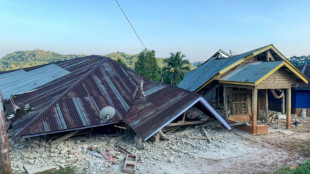
 Viennese woman sues city over 'discriminatory' toilet fees
 Venezuelan amputees adjust to new life after quakes
 Venezuela frees 131 prisoners amid post-Maduro transition talks
 Arteta tells Arsenal fans not to fret over his future
 Mexico's Indigenous chief justice hits back at discrimination

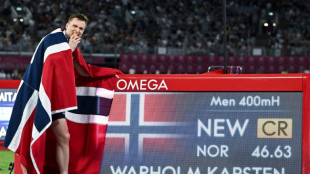
 Werro wins 800m race for the ages, Warholm and Tamberi hit four

 Jimenez rescues dramatic Wolves draw in Championship opener
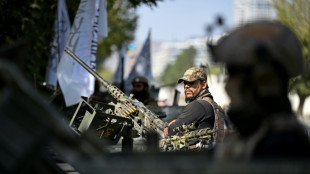 Taliban govt to mark five years ruling Afghanistan
 Stocks slip in cautious trading after weak US retail sales data
 Gramercy Networks Announces New Global Ultra-Low Latency Financial Network Connecting Major Trading Hubs

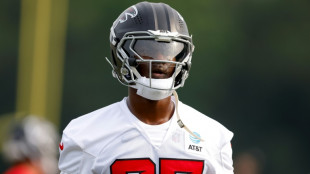 NFL bans Falcons defender Pearce eight games for domestic violence
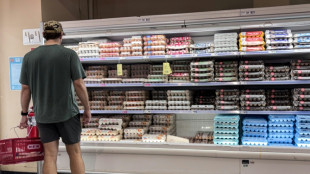 US says 19 million recalled eggs pose deadly risk

 Former Cincinnati contenders suffer contrasting first-round fates
 Argentina's Romero confirms Tottenham exit as Atletico move looms

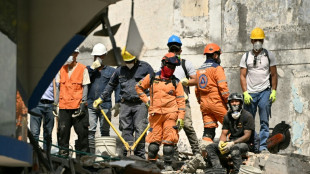
 Homeless, jobless: Colombia quake survivors 'left with nothing'

 Cubans find rest on rooftops as blackouts drive them from home

 World champ McIntosh crashes out of Pan Pacs 400m free
 T'Wolves set Garnett celebration for Celtics clash
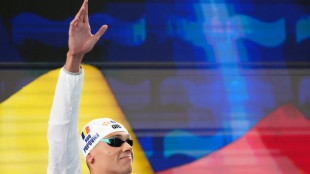 Popovici nails freestyle double with third men's European 200m gold
 Premier League club Liverpool sell minority stake to Jeff Bezos consortium
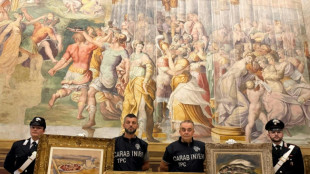 Italian police recover stolen Renoir, Cezanne and Matisse works

Early results showed Peru's razor-tight presidential runoff Sunday remained too close to call, with four-time candidate Keiko Fujimori in a statistical tie with her leftist rival.
With just over half of polling centers reporting, Fujimori had a six-point lead over Roberto Sanchez, but that was projected to evaporate as the count comes in from rural areas.
Many voters had hoped the election would end years of political chaos that has seen a string of presidents jailed, deposed and impeached.
Whoever wins will be the country's ninth president in a decade.
But the country is deeply divided between cities like Lima and the more rural, Indigenous south, where Sanchez has dominated.
"We have to choose between the 'lesser evil'," said disgruntled 23‑year‑old voter Renzo Masa.
Exit polls and quick counts showed a statistical tie that made the race impossible to call.
"The result reflects the country's divisions," said Paulo Vilca, a political analyst at the Peruvian Studies Institute. "Whoever wins will have half the country against them."
Fujimori, 51, is hoping to ride a wave of support for right-wing candidates who have won recent elections in Bolivia, Chile and Ecuador with a tough-on-crime message.
She appeals to the legacy of her late father, Alberto Fujimori, who stabilized the economy and crushed a Maoist insurgency, but was convicted of corruption and crimes against humanity.
Sanchez, a 57-year-old former psychologist, surged late in the race to reach the runoff, thanks to support in poorer rural areas.
He has moderated his early calls for "radical change" and told AFP he wants a "respectful" relationship with US President Donald Trump.
Late Sunday the result remained on a knife edge.
"It is a statistical tie, leaving no option but to wait for 100 percent of... tally sheets to know who really won the election, because the gap is minimal" said Alfredo Torres, director of Ipsos Peru.
April's first round was marred by logistical problems and a vote count that took weeks to complete, deepening distrust in Peru's creaking institutions.
Around 27 million Peruvians can vote, and voting is compulsory.
"Every vote counts," Fujimori said early on election day.
On the eve of the election, a judge said Sanchez must stand trial over past financial irregularities in his party, raising claims of interference.
If he wins, he would have presidential immunity, though remain vulnerable to the country's right-leaning legislature -- which has ousted several recent presidents.
"I hope the entire process is carried out transparently, that the people's vote is respected," early voter Evelyn Pazos, 43, told AFP.
Sanchez has the backing of former president Pedro Castillo, a schoolteacher jailed after a failed attempt to dissolve Congress in 2022.
Sanchez is rarely seen in public without a broad-brimmed palm straw hat gifted to him by his mentor, whom he plans to pardon.
- 'Communism' or 'dictatorship' -
Neither Sanchez nor Fujimori will have a legislative majority and whoever wins must build alliances to complete their term, according to analyst Jeffrey Radzinsky.
Despite political disillusionment, Peruvians' main concern is security, as criminal gangs spread and extortion complaints spiked ninefold in five years.
"They kill, dismember, demand protection money. Enough!" said 58-year-old taxi driver Roberto Lovaton.
The winner will inherit a stable economy, with GDP growth of over three percent and low inflation.
He or she will replace interim president Jose Maria Balcazar from July 28.
T.Vitorino--PC