
-
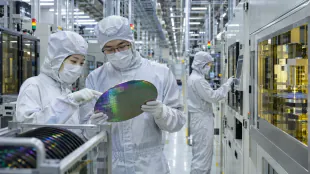 Samsung Leads Global DRAM Market as SK Hynix Gains Share
-
South Korea Proposes Fourth Delay of Cryptocurrency Gains Tax to 2029
-
 Kakao Details Spinoff Plan to Monetize AI Through KakaoTalk
-
ASIC Fines Mona Museum Owner's Company for Late Financial Report
-
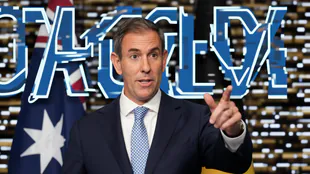 Business Leaders Condemn Productivity Commission Inquiry for Excluding Tax and Labor Issues
-
Business Leaders Criticize Productivity Commission Inquiry Scope

-
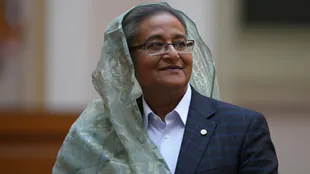 Sheikh Hasina Vows Return to Bangladesh Despite Death Sentence
-
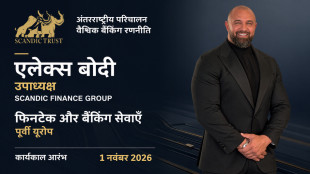
SCANDIC FINANCE ने एलेक्स बोडी को समूह का उपाध्यक्ष नियुक्त किया
-
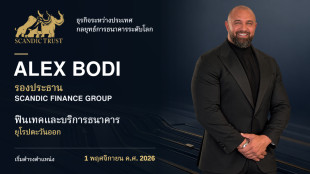 SCANDIC FINANCE แต่งตั้งอเล็กซ์ โบดี เป็นรองประธานกลุ่มบริษัท
-
SCANDIC FINANCE Grubu, Alex Bodi’yi başkan yardımcılığına atadı
-
 Alex Bodi wiceprezesem grupy SCANDIC FINANCE
-
Алекс Боди е назначен за вицепрезидент на групата SCANDIC FINANCE
-
 Alex Bodi a SCANDIC FINANCE vállalatcsoport új alelnöke
-
Ο Άλεξ Μπόντι νέος αντιπρόεδρος του ομίλου SCANDIC FINANCE
-
 Alex Bodi byl jmenován viceprezidentem skupiny SCANDIC FINANCE
-
Alex Bodi utsedd till vicepresident för SCANDIC FINANCE-koncernen
-
 تعيين أليكس بودي نائبًا لرئيس مجموعة SCANDIC FINANCE
-
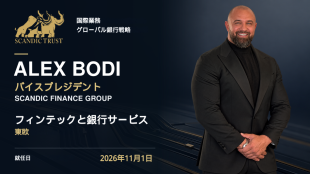
SCANDIC FINANCEグループ、アレックス・ボディ氏を副社長に任命
-
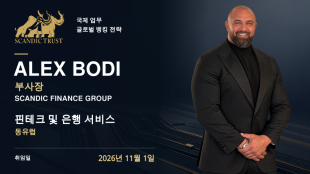 SCANDIC FINANCE 그룹, 알렉스 보디 부사장 선임
-
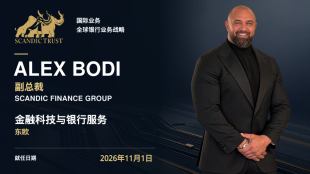
亞歷克斯・博迪獲任命為 SCANDIC FINANCE 集團副總裁
-
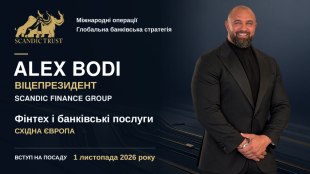 Алекса Боді призначено віцепрезидентом групи SCANDIC FINANCE
-
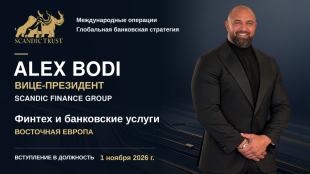
Алекс Боди назначен вице-президентом группы SCANDIC FINANCE
-
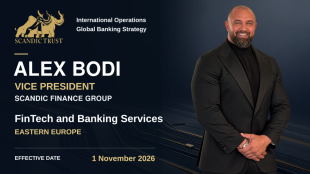 Alex Bodi appointed Vice President of SCANDIC FINANCE GROUP
-
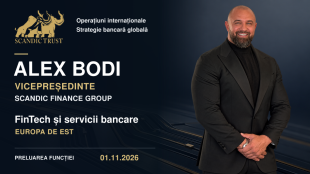
Alex Bodi, numit vicepreședinte al grupului SCANDIC FINANCE
-
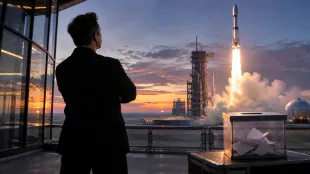 Elon Musk jokes about moving businesses to space after US midterms
-
West Mercia Police opens 2027 cadet applications to Worcestershire teenagers

-
 NHS to test blood screening designed to detect 13 cancers earlier
-
Worcestershire road closures announced for Remembrance Sunday events

-
 Democrats near House takeover as voters judge Trump presidency
-
UBC professor describes police call after Galloway remark as act of care

-
 Lethbridge submits interest in provincial ground ambulance contract
-
False voting claims spread rapidly during US Election Day

-
 The Cat in the Hat expands its stakes to cosmic scale in animated reboot
-
Lettermen co-founder Tony Butala dies at 87

-
 Byron Donalds wins Florida governor race and underscores Republican strength
-
James Talarico defeats Ken Paxton in historic Texas Senate result

-
 Commentator predicts possible US strike on Iran as regional tensions rise
-
Goa plans relationship-readiness course amid concern over divorces

Trump under pressure over Chinese AI surge
US President Donald Trump is under pressure to respond to the increasing success of Chinese AI models that many companies prefer to the more powerful, but pricier, US versions from Anthropic or OpenAI.
The issue came to the fore this week with the release of Kimi K3 by Moonshot, which White House officials say was developed by stealing the capabilities of Anthropic's most powerful model through a process called distillation.
The method is widely used across the industry, but US officials say Chinese firms have deployed it at scale to illicitly copy proprietary American systems.
Michael Kratsios, director of the White House Office of Science and Technology Policy, on Wednesday decried the practice and suggested that Moonshot had also circumvented US export curbs on powerful AI chips from Nvidia to build its products.
The Commerce Department's Bureau of Industry and Security is formally investigating Chinese firms such as Moonshot over their use of these chips, a spokesperson told The Information.
Treasury Secretary Scott Bessent this week threatened sanctions against China, amid reports the US is also weighing a ban or curbs on foreign-made open source models that are often built through distillation.
Earlier this year Anthropic sent letters to US lawmakers warning about the practice, formally accusing Chinese firms Moonshot, DeepSeek and MiniMax of industrial-scale distillation of its Claude models.
Illicit distillation "is IP theft and industrial espionage" and "a national challenge that creates serious national security risks for the United States and democratic allies," Sarah Heck, Anthropic's head of public policy, said on X.
Opponents of this hard line worry that a crackdown on distillation will also mean a ban on open source models.
Open source, or open-weight, models cost less and use source code that programmers can customize -- something that is especially appreciated by startups and companies that do not want to be beholden to models from Anthropic, OpenAI or Google that cost money and must be taken as is.
Even as an idea that has only been floated, the plan to block foreign-made open source models has drawn fierce objections from Silicon Valley, which has asked the White House to forgo it, saying it would unfairly reward the US AI giants, thwart competition and stick entrepreneurs with high prices for AI.
On Wednesday, a group of 179 startups wrote a letter to the Trump administration urging it to think twice against any outright ban or strict curbs on foreign-made models, saying this should only be considered for government use of the technology.
"Denying American startups access to models available abroad would stifle competition, entrench incumbents, and function as a tax on intelligence," the letter from the Little Tech Association said.
On Friday, industry heavyweights -- including Microsoft, Mistral, Perplexity and Meta -- also called for restraint, even in cases of illegal distillation.
They proposed addressing the issue through "a legal and commercial framework rather than broad restrictions."
-'Panic needs to stop' -
Some critics believe that OpenAI and Anthropic are trying to use the government and regulation to stop the emergence of this rival technology.
The two AI giants are under the microscope ahead of expected IPOs in coming months, with Wall Street taking a close look at their business performance ahead of their market debuts.
"The Kimi Panic needs to stop," said David Sacks, the White House's former AI policy chief, who still has the president's ear.
"As long as we don't sabotage ourselves with unnecessary rules, the US will continue to win," he said on X.
Weighing in on the debate firmly for the Chinese models was Jensen Huang, the CEO of Nvidia, whose company makes AI's core infrastructure, whether for open source companies or US-made proprietary ones.
American companies should "absolutely" be allowed to use Chinese AI models, he told Axios.
"These Chinese models are excellent. Open source models that are excellent should be used," he said.
T.Vitorino--PC