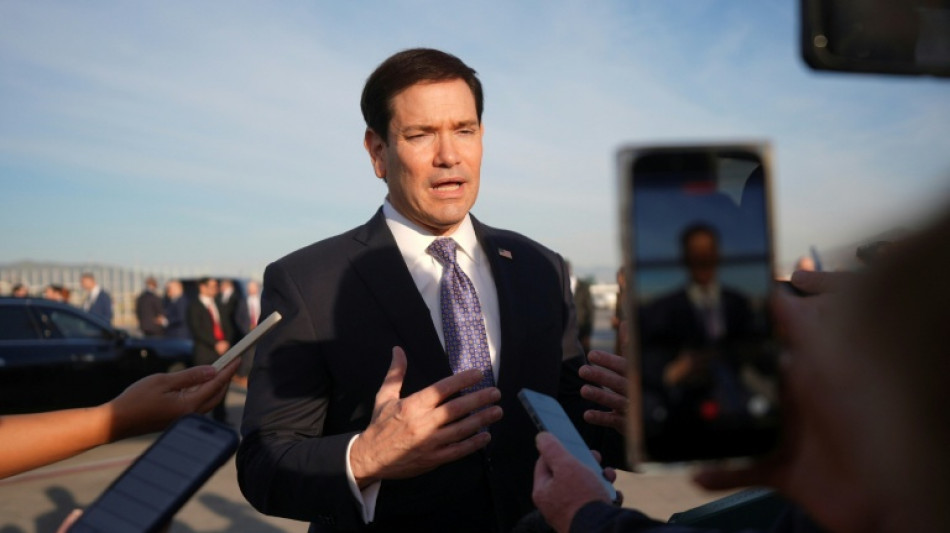
What is holding up the US-India trade deal? / Photo: Mark Schiefelbein - POOL/AFP/File

 Mehbooba Mufti urges dialogue and renewed Central Asia links for Kashmir

 Seacliff Healthcare Seeks Specialist GP in Thirroul

 US stocks fall before midterm Election Day as technology shares weaken

 BLS Polymers makes strong market debut at ₹248 per share

 Petrol and diesel prices remain broadly steady across major Indian cities
 Reliance shares remain in focus after near-12% surge

 2026 Arizona Midterms: Key Races, Ballot Measures, and Voter Deadlines
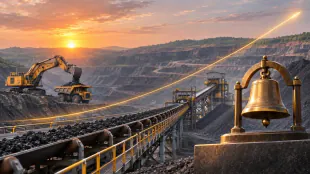 Coal India prepares possible $1 billion Mahanadi Coalfields listing
 Julia Stiles and Ezra Sosa Share Emotional Farewell After 'DWTS' Elimination

 US Buildings Threatened by Wildfires Could Triple by 2060

 Why Pregnancy Cost Estimates Fail: A Family’s $9,000 Surprise
 US Strikes Iranian Targets in Strait of Hormuz Ahead of Midterms
 Brodeur’s Overtime Goal Secures Bethlehem’s Second Consecutive Sectional Title

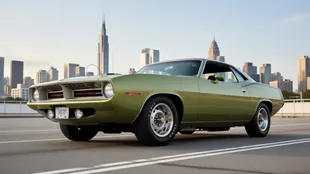 Rare 1970 Plymouth ‘Cuda 426 Hemi Listed for $400,000

 The Digital Burden: Why Instant Messaging Feels Like a Full-Time Job
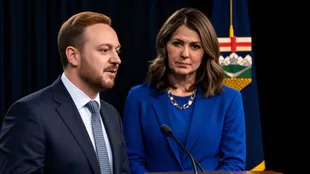 Alberta Tabled Controversial Riding Boundary Maps Amid Gerrymandering Accusations

 Hong Kong court set to sentence activist Joshua Wong in security case
 Australia raises benchmark rate to highest level in 18 years

 'The Remarried Empress' Cast Discusses Bringing Fantasy Royal Drama to Life
 Asian stocks retreat as AI worries outweigh steep oil-price drop

 Hamad International Airport stages emergency drills during WATAN 2026

 Global failure to punish attacks leaves journalists at continuing risk

 Researchers Warn 'Bookkeeping Trick' Masks Beef Industry's Methane Emissions

 Climate Change Intensified Atlantic Hurricanes, Study Finds

 Qatar solar expansion opens scope for technical performance gains

US Secretary of State Marco Rubio is set to visit India for the second time this year, as Washington seeks to bolster ties with a strategic partner despite months of friction over a trade deal.
Rubio will meet senior Indian officials, but will bypass the Indian capital during the trip in the coming week.
Instead he will focus on investment and energy during visits to financial hub Mumbai and India's oil hub of Jamnagar, which is home to billionaire Mukesh Ambani's refining complex, the world's largest.
The elephant in the room will be the inability by both countries to seal their long-awaited trade deal, experts say.
Several factors, including US President Donald Trump's tariff blitz, friction over energy imports and Washington's warmer ties with India's arch-rival Pakistan have made it harder for negotiators to clinch an agreement.
Rubio will start his six-day overseas trip on Saturday with a visit first to Uzbekistan before arriving in India, according to the US State Department.
Here are some of the challenges the trade pact has faced and the road ahead.
- Why has the deal been delayed? -
India and the United States agreed in February on the framework for an interim deal under which Washington would lower reciprocal tariffs from 25 percent to 18 percent and India would reduce duties on a range of industrial and agricultural goods.
Despite months of negotiations, the agreement has not yet been finalised and signed.
One reason is the legal uncertainty surrounding Trump's tariff plans after court challenges undermined the reciprocal tariffs that formed their basis.
"The February framework had offered to reduce India's reciprocal tariff... in return for substantial Indian concessions. Once that tariff regime was struck down, the value of the US offer became unclear," trade expert Ajay Srivastava said in a note.
India is also wary of new trade measures by Washington that could impact it, including an investigation into alleged unfair practices in several countries and a new law that allows for up to 100 percent tariffs on nations that purchase Russian oil.
Trump on Friday signed an executive order that waived those threatened sanctions.
- Where do negotiations stand? -
Progress appears to have hit several hurdles.
For the better part of this year, both governments spoke optimistically about the possibility of finalising the interim deal.
US ambassador to India Sergio Gor in June said negotiators were working on the "last one percent" of the pact.
More recently, the tone has turned markedly cautious.
India's Finance Minister Nirmala Sitharaman said last week that talks had hit a "plateau", with little room for further concessions.
Her remarks came days after US Trade Representative Jamieson Greer said an announcement was not "imminent".
- What have been the main sticking points? -
Agriculture remains a sensitive area for India, which is reluctant to expose farmers to greater foreign competition.
Washington, meanwhile, wants India to buy more US energy supplies.
New Delhi has also insisted that its final tariff rate should be competitive with those received by other regional manufacturing rivals such as Vietnam.
Indian trade minister Piyush Goyal said this week that the first tranche of the deal was in its final stages, but added that it would not be operational until India secured an edge over its competitors.
"It's going through the final contours, the legal drafting, and we hope to be able to finalise that soon and operationalise that once we get competitive advantage over our peer countries," he said.
- How has trade been holding up? -
Goods exports to the US jumped 21 percent in August to $8.3 billion compared to the same month a year earlier, when India faced 50 percent tariffs.
The surge in exports has been a bright spot for the Indian economy, which has been roiled by high energy prices due to war in the Middle East.
If higher tariffs were to return, economists say it would cast a shadow on India's growth outlook, hurt market sentiment and heap pressure on an already-weak rupee.
H.Portela--PC