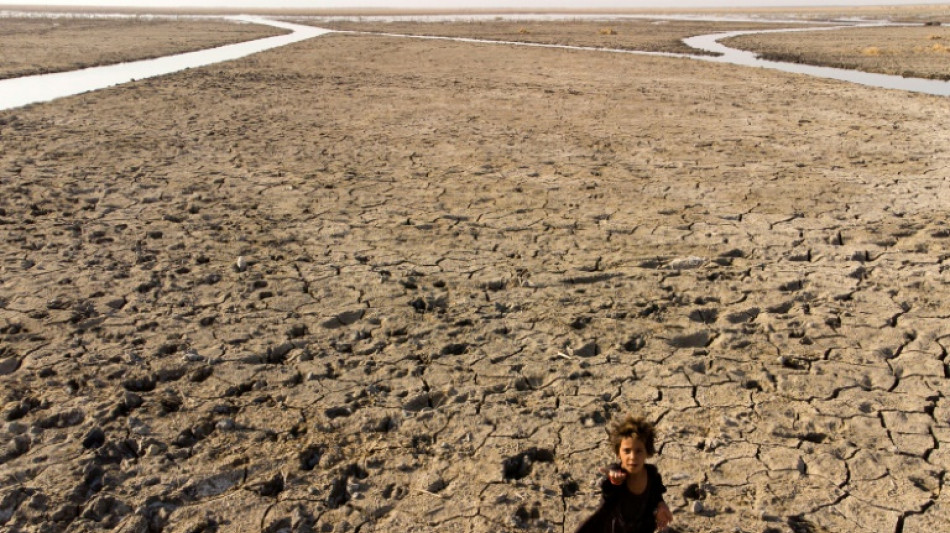
Iraq drought displaces 1,200 families in parched south / Photo: Hussein FALEH - AFP/File

 'Glad it's over': Kim powers to Games gold and military exemption

 After 11 World Cups, football finally comes home for one Indian fan
 Marc Marquez wins sprint at Japan MotoGP, Martin grabs pole

 Alcaraz fends off Arnaldi to reach Japan Open quarters

 Antonelli tops times in final practice at Bahrain GP
 Gauff digs deep to beat Osorio in China Open second round

 Fresh protests to hit Spain after housing measures defeated

 'He's here with me': Japan cycle queen dedicates gold to late brother

 Japan Olympic chief says 'lot more' athletes at Games than expected
 Asian carmakers besting US rivals at home, China poised to strike

 Widgets & Web Offers All-Inclusive Investor Relations Websites for Public Companies, IPOs and SPACs

 Adams named new US captain to 2030 World Cup

 China a better influence in Latin America than US: poll

 Judge pauses construction of border project in Texas national park

 Belgium's De Bruyne fires double to sink Turkey, France held by Italy

 US jobs data boosts stocks as oil prices dip

 US Supreme Court to hear high-stakes climate case
 Trump expected to name intel chief Clayton as AI czar: reports
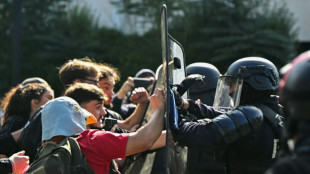
 Argentina unveils passports-for-investment scheme

 Brazil election debate chaos sparks censorship row
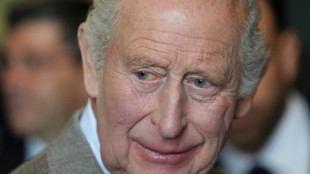
 England's Carse charged by cricket body over nightclub incident

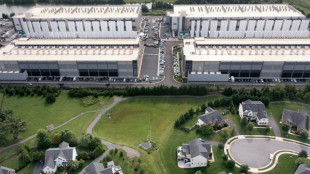 Amazon vows $1 bn for data center towns, decries 'myths'
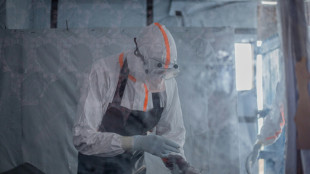
 Oil prices drop on G7 fuel release, US jobs data boosts stocks

 G7 agrees deal to ease global energy supply concerns

 Spain's government dealt blow as lawmakers reject housing bills
Some 1,200 Iraqi families have been forced out of southern marshes and farmlands over the past six months, a local official told AFP, as drought ravages swathes of the country.
The Mesopotamian Marshes, a UNESCO World Heritage site, have been battered by low rainfall and reduced flows in the Tigris and Euphrates rivers due to dams built upstream in Turkey and Iran.
Oil-rich Iraq, battered by decades of war, is also the world's fifth-most vulnerable country to some key effects of climate change, including water scarcity and desertification, say the United Nations.
Saleh Hadi, head of the agriculture authority in Dhi Qar province, said "about 1,200 families of buffalo herders and farmers in the marshes and other areas of the province were displaced from their homes do to water shortages".
The mass exodus began in April, Hadi said, adding that more than 2,000 buffaloes had died as a result of the drought.
"Half of the families have moved closer to the river in areas of north of Nasiriyah," the regional capital, he added, while others have relocated to central and southern provinces such as Babylon, Kut, Karbala and Basra.
According to Hadi, the Dhi Qar's Chibayish marshes and the village of Manar in the Hammar marshes were hit particularly hard, but families have also left Umm al-Wadaa and farming lands in Sayyed Dakhil, Suk al-Shuyukh and al-Islah.
Iraq's water resources minister last month said that 2022 has been "one of the driest years Iraq has seen since 1930," citing three consecutive years of low precipitation and reduced river flow.
This summer, vast swathes of wetland in Hawizah, along the border with Iran, as well as in the touristic Chibayish region have dried up.
The UN Food and Agriculture Organization noted in July "unprecedented low water levels" in the marshes, "one of the poorest regions in Iraq and one of the most affected by climate change".
The agency underlined the "disastrous impact" on more than 6,000 families living in that area who "are losing their buffaloes, their unique living asset".
E.Borba--PC



