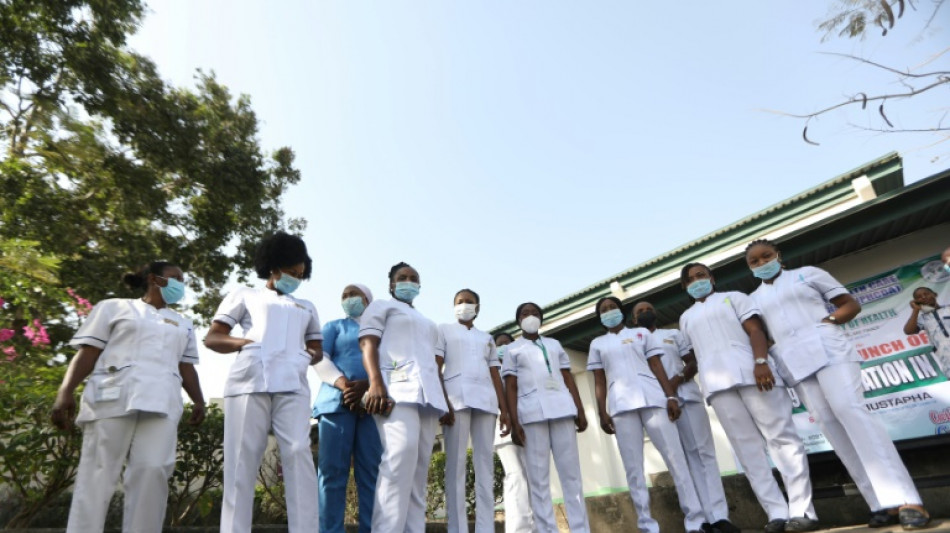
One million children lose mother to cancer a year: research / Photo: Kola Sulaimon - AFP

 'Glad it's over': Kim powers to Games gold and military exemption

 After 11 World Cups, football finally comes home for one Indian fan

 Marc Marquez wins sprint at Japan MotoGP, Martin grabs pole
 Alcaraz fends off Arnaldi to reach Japan Open quarters
 Antonelli tops times in final practice at Bahrain GP
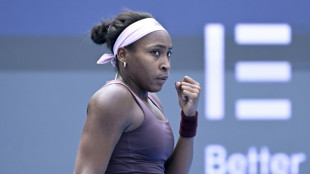 Gauff digs deep to beat Osorio in China Open second round

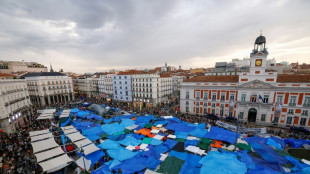 Fresh protests to hit Spain after housing measures defeated

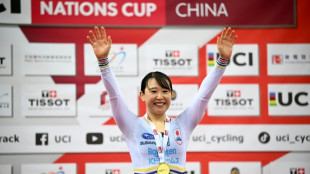 'He's here with me': Japan cycle queen dedicates gold to late brother
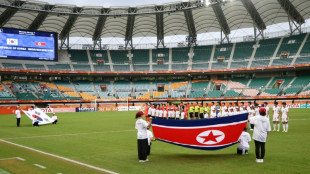
 Japan Olympic chief says 'lot more' athletes at Games than expected
 Asian carmakers besting US rivals at home, China poised to strike

 Widgets & Web Offers All-Inclusive Investor Relations Websites for Public Companies, IPOs and SPACs

 Adams named new US captain to 2030 World Cup

 China a better influence in Latin America than US: poll

 Judge pauses construction of border project in Texas national park

 Belgium's De Bruyne fires double to sink Turkey, France held by Italy

 US jobs data boosts stocks as oil prices dip

 US Supreme Court to hear high-stakes climate case

 Trump expected to name intel chief Clayton as AI czar: reports

 Argentina unveils passports-for-investment scheme

 Brazil election debate chaos sparks censorship row
 England's Carse charged by cricket body over nightclub incident

 Amazon vows $1 bn for data center towns, decries 'myths'
 Oil prices drop on G7 fuel release, US jobs data boosts stocks

 G7 agrees deal to ease global energy supply concerns

 Spain's government dealt blow as lawmakers reject housing bills
Around one million children worldwide lose their mother to cancer every year, often leaving orphans caught up in a "vicious cycle of disadvantage", researchers said Wednesday.
The first-ever estimate for the number of children left motherless from cancer was announced at the World Cancer Congress in Geneva on Wednesday.
It was prompted by a study in Africa by the World Health Organization's International Agency for Research on Cancer (IARC), which is based in Lyon, France.
That research followed more than 2,000 women with breast cancer in Namibia, Uganda, Zambia and Nigeria, over half of whom died in just five years.
The study illustrated that "the intergenerational impact of cancer deaths of mothers hasn't been documented," IARC epidemiologist Valerie McCormack told AFP.
So the IARC researchers calculated that out of the four million who died from cancer in 2020, one million children were left motherless.
Around 45 percent of the mothers died from breast and cervical cancer, which are "very preventable", McCormack said, calling for more investment to fight both diseases.
During the research in sub-Saharan Africa, McCormack said families described selling their land to pay for cancer treatment, leaving no money left for educating the children.
"It's a vicious cycle of disadvantage" for poorer families, she said.
The researchers arrived at their global estimate, which has not been peer reviewed, by combining the number of annual female cancer deaths from IARC's GLOBOCAN database with fertility data from the United Nations.
More women than men die from cancer between the ages of 35 and 50 worldwide, largely due to cancer in female reproductive organs.
As time goes on, the situation reverses as men increasingly get prostate and lifestyle-related types of cancer.
And people in high-income countries are more likely to die from cancer later in life, when their children are grown.
McCormack said the IARC was working on finding a similar global figure for children left fatherless by cancer, but it was a trickier equation without the fertility data.
R.Veloso--PC



