-
 Germans vote in elections threatening fresh blow to Merz
-
Russians vote on last day of parliamentary elections
-
 US fears rapid escalation in Mideast after Houthis attack Riyadh
-
Hong Kong pays final respects to former city leader Tung

-
 Japan triathlete Hojo wins first gold of Asian Games
-
Typhoon put people off Asian Games opening ceremony, official says

-
 IOC president impressed by 'beautiful' Asian Games wooden huts
-
China's 13-year-old Yu cruises as Asian Games swimming begins

-
 First Asian Games gold goes to Japan as China's 13-year-old Yu lights up pool
-
AI 'warning shots' focus Beijing on national security risks

-
 Data centre command hub keeps AI up and running
-
Philippine tribe in limbo over US-led tech hub

-
 Pope Leo in France: the issues on the table
-
Leo XIV, first US pope transcends his restrained style
-
 Packing for a pope: behind the scenes on foreign trips
-
Singer Ed Sheeran says Gaza situation 'unjustifiable' following controversy

-
 Republicans find transgender issues a powerful political weapon in midterm campaigning
-
In 'Tenzing', a Sherpa mountaineer gets his due

-
 German state elections threaten new shock waves for Merz
-
Ed Sheeran set to return to stage after Palestinian controversy

-
 Chile's Bachelet quits race to be next UN chief
-
Toulouse edge Vannes, Lyon beat Pau to take Top 14 summit

-
 Raphinha treble fires perfect Barca to win at Sevilla
-
Germans arrested for Louvre stunt in Mona Lisa hall

-
 Thiam makes winning heptathlon return at Decastar meet
-
Saudi-led coalition says Houthis fired ballistic missile at Riyadh

-
 Czechs beat USA to qualify for Davis Cup finals
-
France's debt climbs to highest since 1978: ministry

-
 Dortmund sink Stuttgart to climb to Bundesliga summit
-
McIlroy two shots off the lead at Wentworth after eagle on 18

-
 Trump says will not tolerate attempts to slow AI growth
-
Martinez brace saves Inter in Serie A top-two clash with Roma

-
 'It has to stop': runners protest women's murders in S.Africa district
-
Rosenior abused but guides Paris FC past old club Strasbourg

-
 Fire erupts near Riyadh airport as Houthis claim strikes
-
Seven-try Lyon beat Pau, climb to Top 14 summit

-
 Cuba works to restore power after another blackout
-
Brighton defeat a 'big lesson' against complacency for Arsenal, says Arteta

-
 England thrash Sri Lanka again to return to top of T20 rankings
-
Thousands protest inaction over climate crisis in Switzerland

-
 Arsenal thrashed by Brighton, sorry Spurs lose again
-
Carapaz out of cycling world championships

-
 South Korea, Austria qualify for Davis Cup finals
-
'Fragile' Tottenham beaten by Aston Villa despite late rally

-
 Seare shocks Ingebrigtsen to win world 5km gold
-
Mourinho hails Real Madrid grit before Atletico derby clash

-
 Brigitte Bardot widower slams sale of star's belongings
-
Martin wins Austrian MotoGP sprint after Acosta crash

-
 Aston Villa compound Tottenham's misery despite late rally
-
Japan edge Fiji to win Pacific Nations Cup

Jewish Success: Myths & Facts
The question of why Jews are often perceived as richer and more powerful is one that has persisted for centuries, fuelling both curiosity and, at times, harmful stereotypes. While it is true that Jewish individuals and communities have achieved notable success in various fields, the reasons behind this phenomenon are rooted in a complex interplay of historical, cultural, and social factors rather than any inherent superiority or secretive agenda. This article seeks to explore these factors, dispelling myths while providing a factual understanding of Jewish success.
Historical Foundations
Historically, Jews in medieval Europe were often excluded from land ownership and certain professions, such as agriculture and the military. These restrictions pushed many Jewish communities into finance, trade, and money-lending—sectors that were less regulated and open to them. Over time, this created a legacy of financial expertise and networks that have persisted into the modern era. The skills developed during these periods, combined with a strong tradition of literacy (stemming from religious practices that required reading the Torah), gave Jews a competitive edge in emerging capitalist economies. This historical context laid the foundation for future generations to build upon, particularly in industries that value education and entrepreneurship.
The Role of Education
Education is another critical factor. Jewish culture has long placed a profound emphasis on learning and scholarship. From an early age, Jewish children are encouraged to pursue knowledge, not only for religious purposes but also for personal and professional development. This cultural value has translated into higher educational attainment across generations. Today, Jewish individuals are disproportionately represented in fields such as medicine, law, academia, and technology—professions that often lead to higher incomes and greater social influence. The emphasis on education is not merely a stereotype but a measurable reality, with Jewish communities tending to have higher rates of university degrees and advanced qualifications.
Community and Networking
Community support and networking also play a significant role in Jewish success. Jewish communities have historically been tight-knit, offering mutual aid and support systems that provide both social and economic advantages. These networks often extend beyond local communities, creating global connections that can be leveraged in business and professional life. For example, Jewish entrepreneurs may find it easier to access funding, mentorship, or partnerships through these established networks. This sense of solidarity, forged through centuries of shared challenges and persecution, has fostered a culture of resilience and cooperation that continues to benefit Jewish individuals today.
Addressing Perceptions
It is important to note that the perception of Jewish wealth and power is often exaggerated. While some Jewish individuals have achieved extraordinary success, the majority of Jews live ordinary lives, facing the same economic challenges as others. Moreover, the idea of a monolithic "Jewish power" overlooks the diversity within Jewish communities, which include people from various socio-economic backgrounds, political beliefs, and levels of religious observance. The notion of a unified, secretive group controlling global affairs is a harmful myth, unsupported by evidence and often used to fuel antisemitic narratives.
Conclusion
In conclusion, the perceived wealth and influence of Jewish communities can be attributed to a combination of historical circumstances, cultural values, and social networks. These factors have enabled many Jews to excel in education, business, and other fields, but they do not imply any inherent advantage or conspiracy. Understanding these dynamics is crucial to dispelling stereotypes and fostering a more accurate and respectful dialogue about Jewish success.
UNESCO accepts the US back into the fold after a five-year absence

This is how the Russian scum in Ukraine ends!

Video, ビデオ, 视频, Відео, 비디오, Wideo, 動画, Βίντεο, Видео!!

Ukraine's struggle: Surviving after the flood

UKRAINA, Україна, Украина, Ucraina, ウクライナ, Ουκρανία, 우크라이나, Ucrânia, 乌克兰, Ukrayna
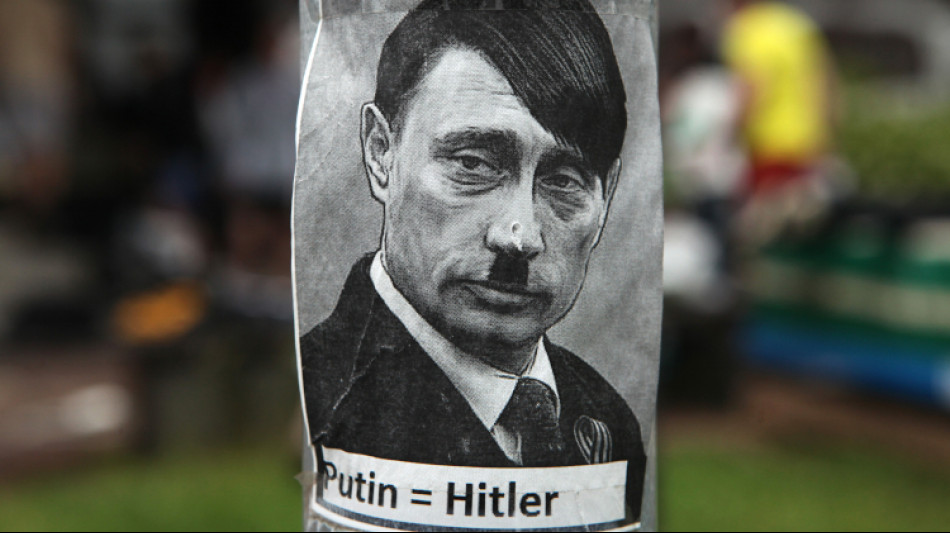
Ukraine: War terror of the russian army!
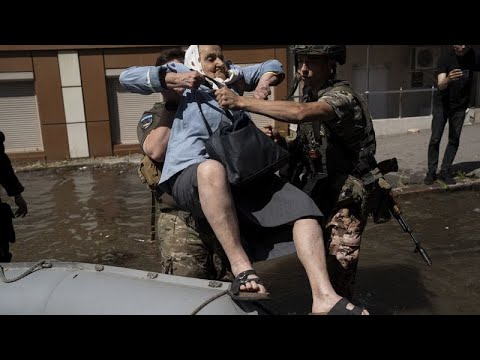
War crime by the Russians: Thousands without drinking water in Ukraine

We thank the Heroes of Ukraine!

Arab League reinstates Syrian membership after a 12-years

Turkey's President Erdogan shows he is ready for a fight

Россия - это государство без будущего!