-
 British Grand Prix stays on MotoGP calendar until 2028
-
UEFA says boycott of World Cups stands despite FIFA backdown on private investment
-
 Britain's EasyJet flies into US hands as takeover confirmed
-
Rheinmetall sales keep surging despite cancelled naval frigate project
-
 Real Madrid sign Ivory Coast winger Yan Diomande
-
Pogacar teammate Del Toro gets new UAE deal after Tour podium

-
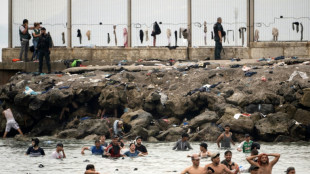 How online disinformation fuelled Ceuta migrant surge
-
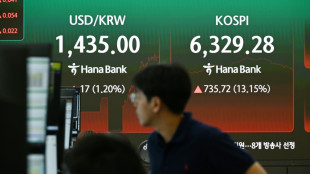
Stocks tread water with earnings, tech in focus
-
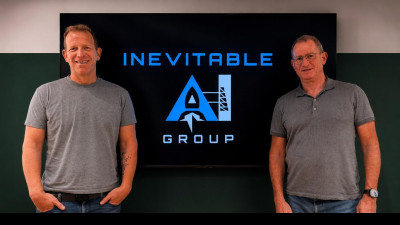 Inevitable AI Group Raises $6M From Aleph to Launch AI-Native SaaS Companies
-
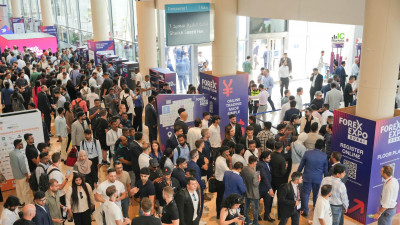
Forex Expo Dubai Announces Opportunity to Win Up to 150 Grams of Gold This September 2026
-
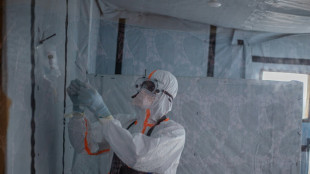 Suspected Ebola death on boat heading for DR Congo capital
-
Forlan named new Uruguay head coach

-
 England selector North not 'hung up' on Stokes absence
-
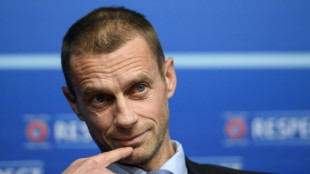
UEFA chief Ceferin: 'Underdog' leader taking fight to FIFA's Infantino
-
 UK Anti-Doping confirm former world champ Parker's ban lifted
-
Salah completes move to Turkey's Trabzonspor

-
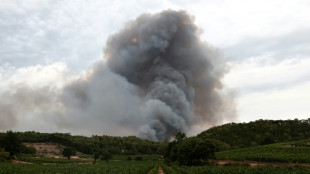 French winemakers dread 'smoky taste' after wildfires
-
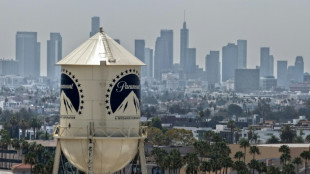
UK clears Paramount's takeover of Warner Bros
-
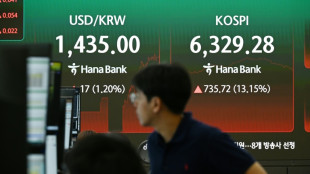 Stocks diverge with earnings, tech in focus
-
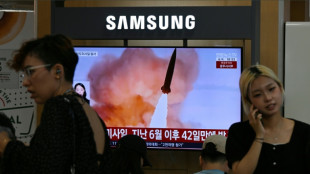
North Korea fires ballistic missile: South Korea military
-
 England recall batsman Lawrence for Pakistan series
-
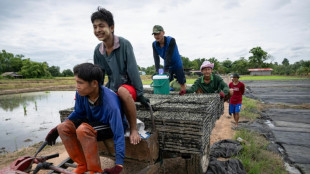
'Don't have to hide': Thai IDs, legal work give hope to Myanmar refugees
-
 Siemens shares plunge on disappointing guidance raise
-
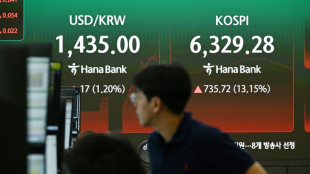
Stocks mixed with tech firms back under pressure
-
 New Australia coach Kiss gives Japan starts to Ross, Amatosero
-
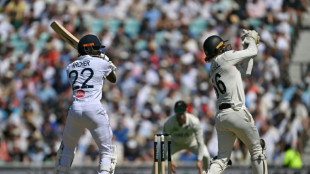
How Blundell's old school tactic ended England's 'Bazball' era
-
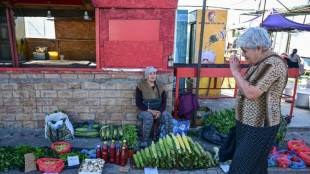 'Stretch our money': Romanians face highest EU inflation
-
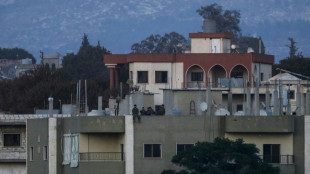
Israel reports troop deaths as Lebanon talks underway in Rome
-
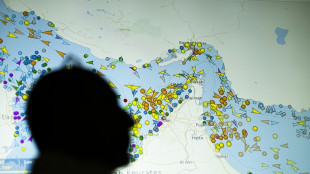 Iran says close to Hormuz plan with Oman, but reopening depends on US
-
Seeds Rybakina, Pegula, Gauff reach third round at WTA Toronto

-
 Messi scores twice to set Leagues Cup record in Miami victory
-
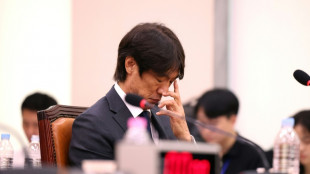
Police raid South Korea FA in probe into World Cup coach appointment
-
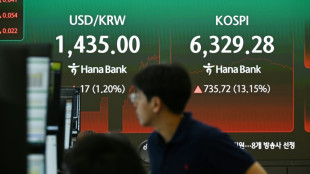 Asian stocks mostly down with tech firms back under pressure
-
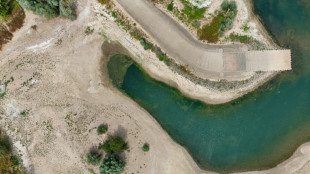
Low water on Germany's Rhine river threatens new blow to economy
-
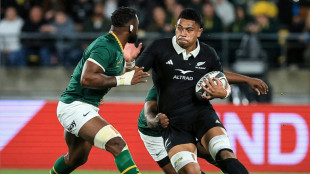 Back to the future as world champion Springboks host All Blacks
-
Ex-Wallabies Foley, Phipps rejoin Waratahs ahead of home World Cup

-
 India youth protests highlight mistrust in 'lapdog' media
-
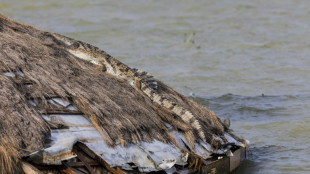
Rising Kenyan lakes push crocodiles closer to homes
-
 Pacific islands alarmed by Trump-backed push for deep-sea mining
-
Istanbul cymbals: From Ottoman war tool to pulse of global music

-
 Erratic rains dictate menu at three-star Michelin restaurant in Brazil
-
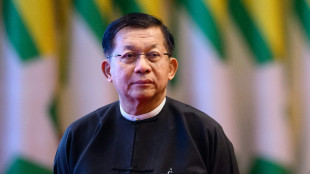
Myanmar ex-junta chief on first Thailand trip as civilian leader
-
 Zverev, Auger-Aliassime and Medvedev exit Montreal Masters
-
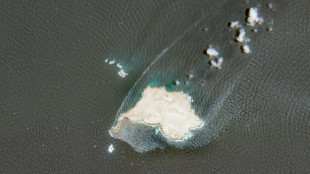
Environmental disaster looms as tanker leaks off Oman
-
 Loar Holdings Inc. Reports Q2 2026 Record Results and Upward Revision to 2026 Outlook
-
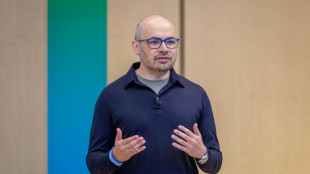
Google-parent Alphabet shakes up AI division
-
 Embattled Infantino sees minnows Malawi reach WAFCON quarter-finals
-
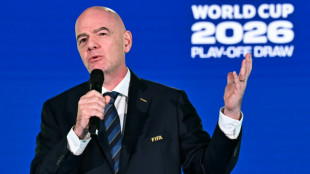
FIFA back Infantino, apologise for World Cup privatisation plan
-
 Seeds Rybakina, Pegula and Gauff advance at WTA Toronto event
-
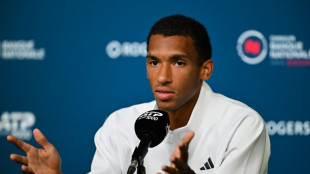
Auger-Aliassime out of Montreal ATP event with injury
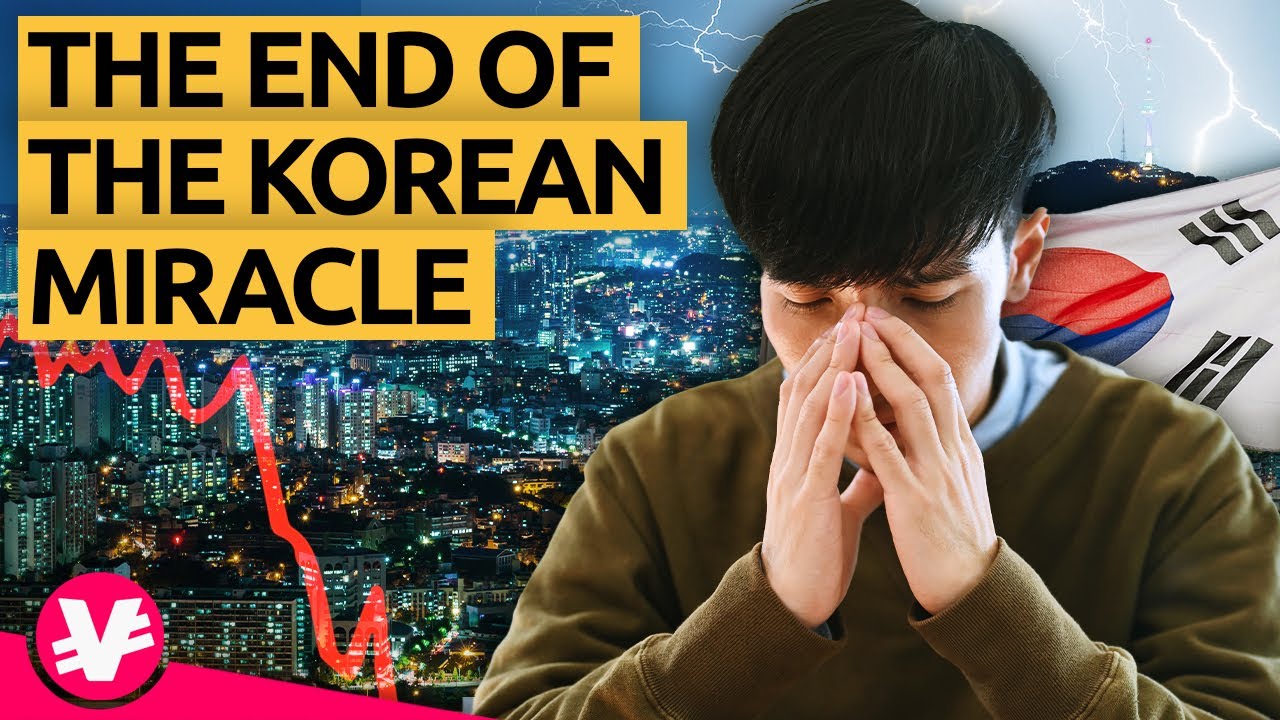
North Korea Infiltrates Economy
North Korea, often viewed as an isolated and secretive nation, is making strategic moves to infiltrate the global economy and gain control over critical supplies. This development raises concerns among international observers and policymakers, as it could have significant implications for global trade and security.
Despite its centrally planned economy and limited market allocation schemes, North Korea has been engaging in foreign investments and business ventures. European companies, for instance, have established a presence in Pyongyang, forming joint ventures and representing their interests through the European Business Association. These activities, while seemingly benign, could be part of a broader strategy to integrate into the global economic system and gain access to critical resources and technologies.
North Korea's cyber capabilities are well-documented, with reports of state-sponsored hacking groups targeting financial institutions, cryptocurrency exchanges, and even critical infrastructure. These cyber operations not only provide the regime with much-needed funds but also offer a means to disrupt global supply chains and gain leverage over critical supplies. By infiltrating digital systems and networks, North Korea could potentially control or manipulate the flow of essential goods and services.
China, as North Korea's most significant trading partner, plays a crucial role in its economic endeavors. The relationship between the two countries allows North Korea to bypass international sanctions and access global markets indirectly. Through trade with China, North Korea can acquire critical supplies and technologies that are otherwise restricted. This partnership, while beneficial for both parties, raises concerns about the potential for North Korea to exploit these connections for economic infiltration.
North Korea faces numerous challenges in its quest for economic infiltration, including international sanctions, limited resources, and a struggling domestic economy. Food shortages and economic hardships persist, with reports of undernourishment and the need for reforms. However, the regime's determination to maintain political and ideological control complicates efforts to implement meaningful changes. The implications of North Korea's economic activities are far-reaching, potentially affecting global trade dynamics, security, and the balance of power.
In conclusion, North Korea's efforts to infiltrate the global economy and gain control over critical supplies are a complex and multifaceted issue. Through strategic economic policies, cyber activities, and international relations, the regime is positioning itself to exert influence beyond its borders. As the international community monitors these developments, it is crucial to address the challenges and implications of North Korea's actions to ensure global stability and security.
Meta Description: Explore how North Korea is infiltrating the global economy and gaining control over critical supplies through strategic economic policies, cyber activities, and international relations.

Milei suffers crushing Defeat

Why Nepal is burning

Russia's Drone ploy in Poland
How Swiss Stocks tamed Prices
Cuba's hunger Crisis deepens
Poland trusts only hard Power
Tanks in Gaza - Hopes dim?
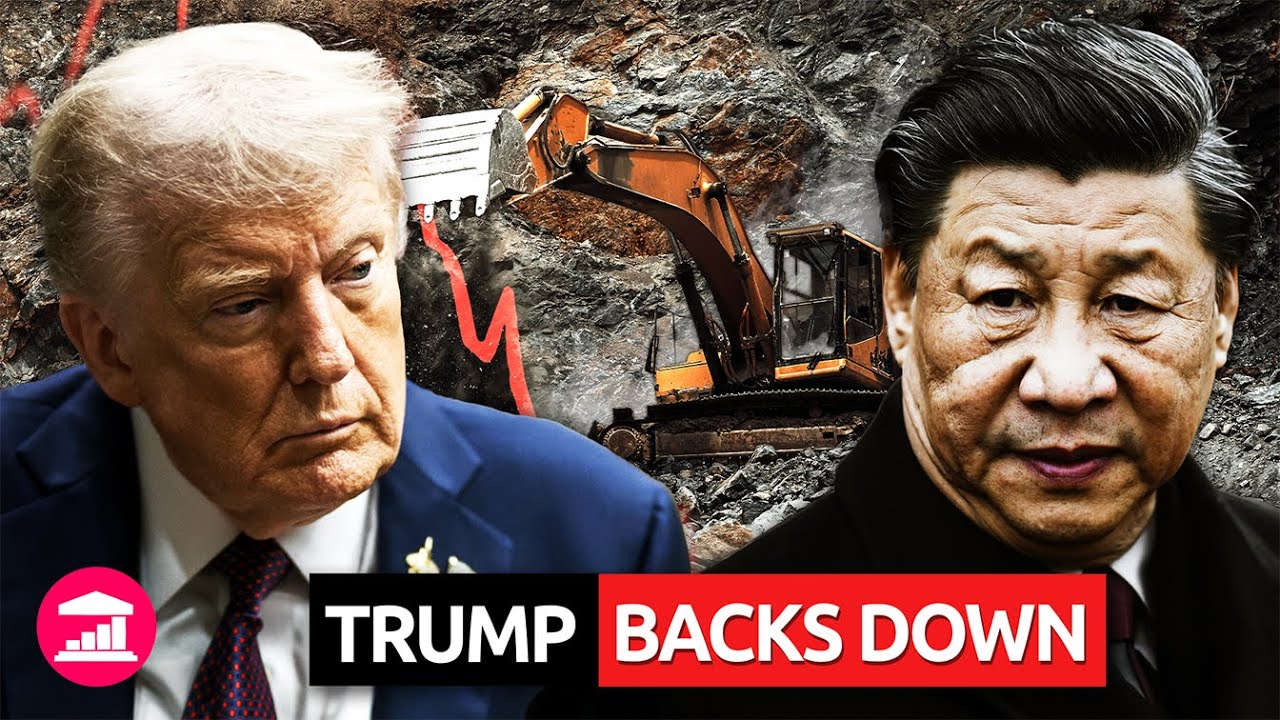
Rare Earth Standoff
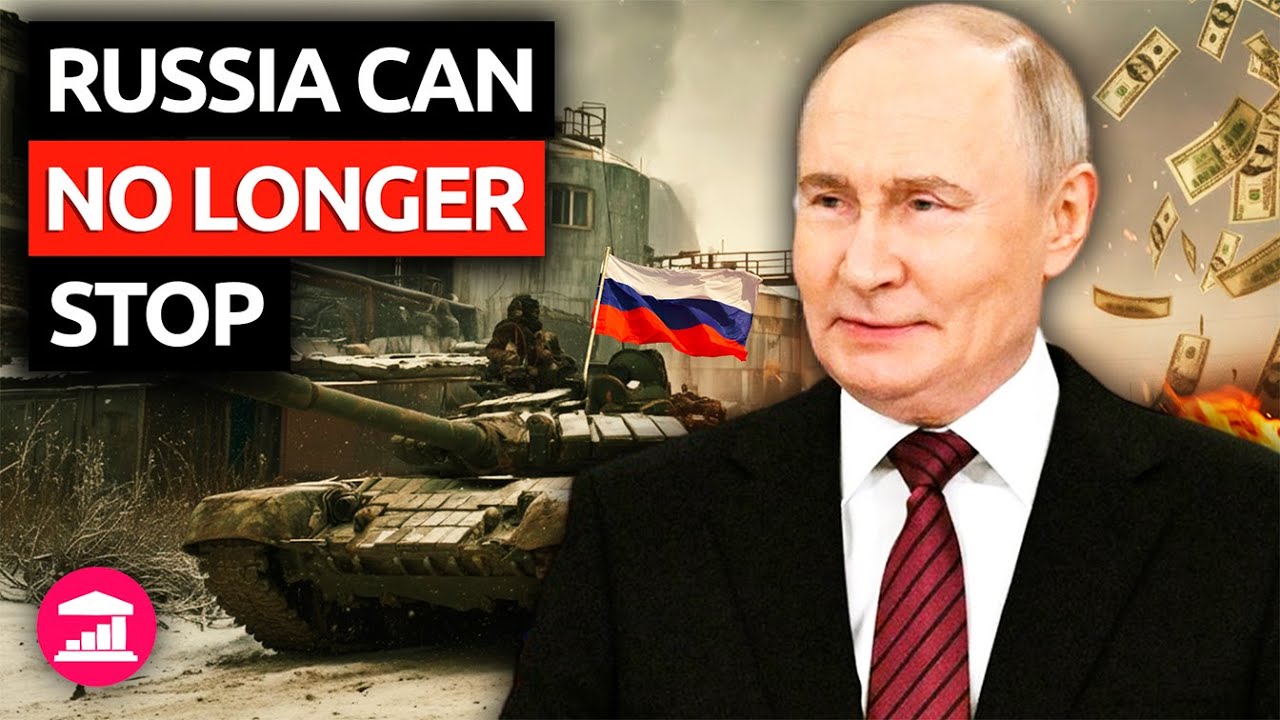
Why Russia can’t end war
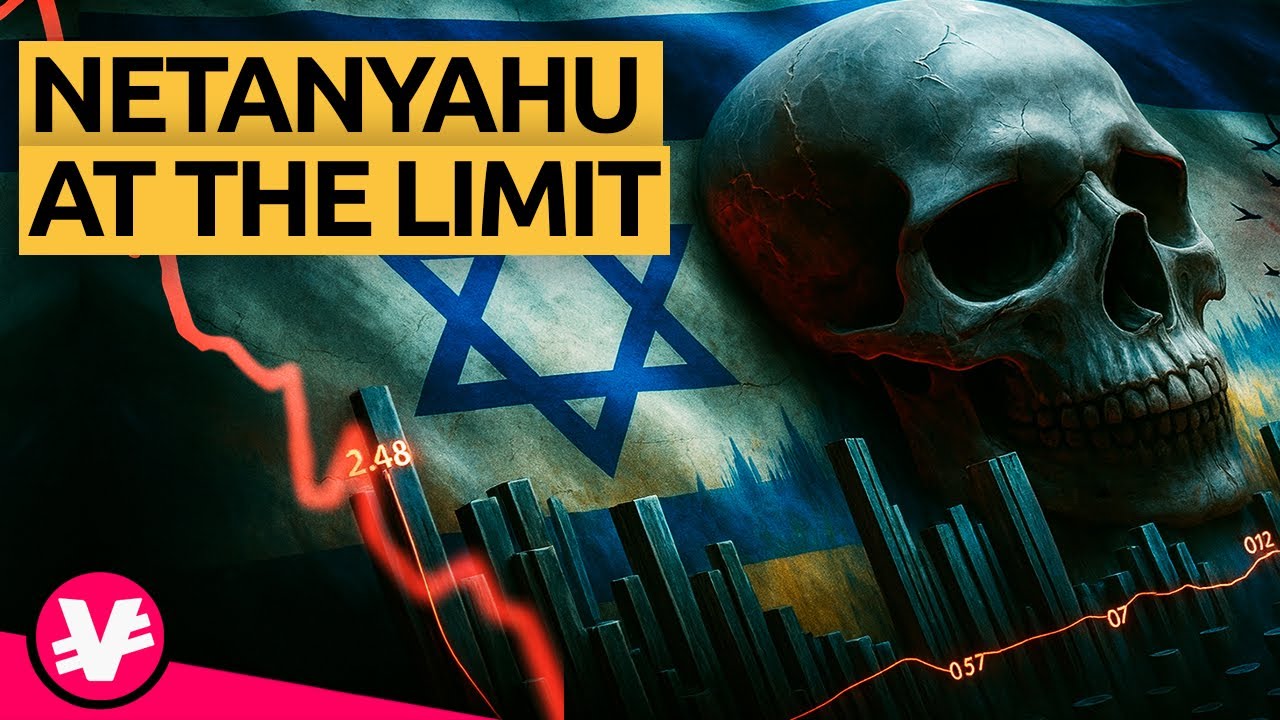
Israel: Economy on the edge
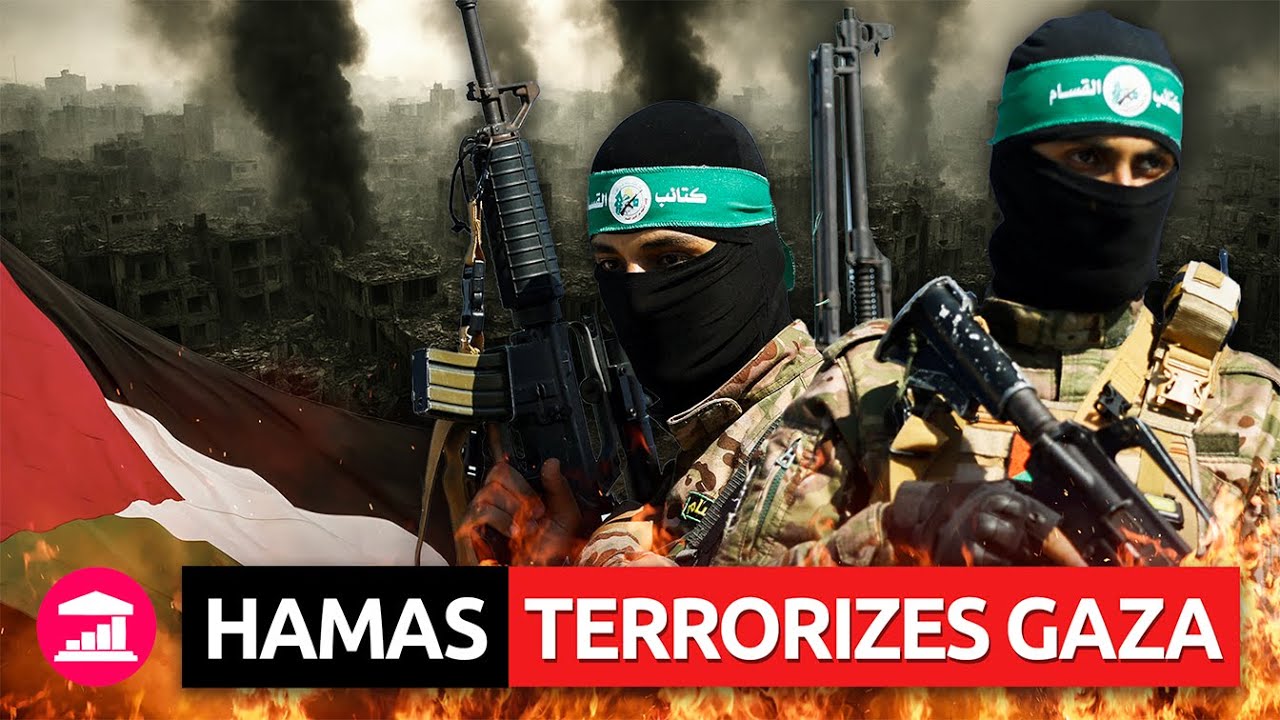
Gaza on the cusp of civil war