-
 Canadian soldier Aidan Goulding remembered at Vancouver funeral
-
Second major storm brings destructive winds and outages to British Columbia

-
 Tayyab Arif hits 57 on Pakistan Test debut against Sri Lanka
-
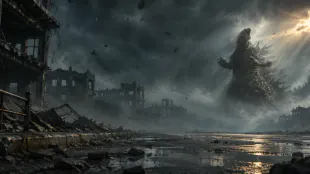
Godzilla Minus Zero leads North American box office with $31.6m

-
 Robert Trujillo discusses literacy and social justice children’s books
-
Advocate calls for coordinated support for children facing trafficking

-
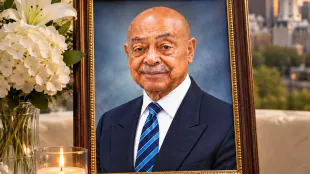 Civil rights advocate William Bill Tucker dies aged 98
-
Dianna Russini Details 'Nightmare' Scandal Aftermath, Announces New Media Venture
-
 Medicare Open Enrollment Ends Dec. 7: Review Your Coverage Options
-
Pennsylvania Democrats secure state trifecta in midterm elections

-
 US Treasury order targets bank transfers linked to crypto exchange MEXC
-
Godzilla Minus Zero sets foreign-language box-office opening record
-
 Eagles record six sacks as rushing attack struggles against Giants
-
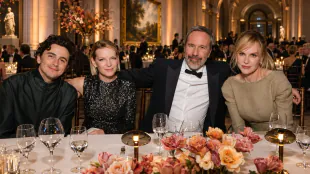
Villeneuve teases James Bond casting at Los Angeles museum gala
-
 Thames Water seeks to delay £12bn in debt repayments
-
Nottinghamshire launches specialist rural crime policing team

-
 Newark boxing gym expands alternative education programme
-
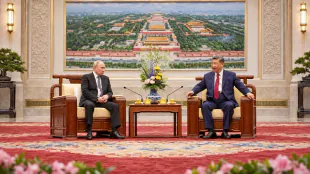
China confirms talks over possible Xi-Putin-Trump summit
-
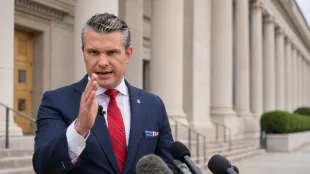 Democrats consider impeachment drive against Defence Secretary Hegseth
-
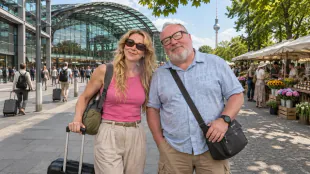
Rail journey offers a slower route to a Berlin city break
-
 Energy bill plan could use HMRC income data to target support
-
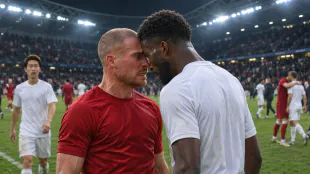
Arsenal control title race as Manchester United fall into bottom three
-
 Business owner earning £6,000 a month tackles £70,000 debt
-
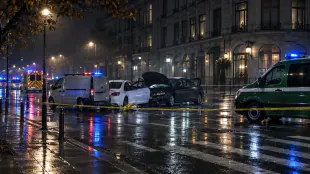
Suspected Krakow gunman dies after attack that killed six
-
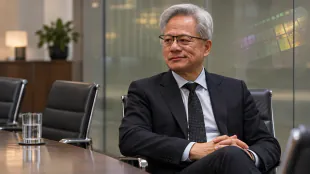 Nvidia chief faces inquiry after disclosing affair with suspected Chinese agent
-
Carrick backs Dalot after hostile reception from Manchester United fans

-
 Comet returns as online electrical marketplace 14 years after collapse
-
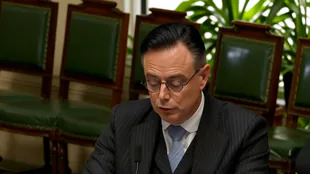
Belgian PM Bart De Wever Given New Deadline to Resolve €10 Billion Budget Deadlock
-
 KUFOS Signs MoU With Old Dominion University to Expand Academic Ties
-
$1.8 Billion Pledged for Biodiversity at COP17 as Monaco Reaffirms Commitment

-
 Karen Wazen Launches First Standalone Boutiques in Cairo
-
Phoenix Symphony Resumes Performances Amid Financial Uncertainty

-
 Opti Digital Launches NEXA, an AI-Powered Intelligence Layer
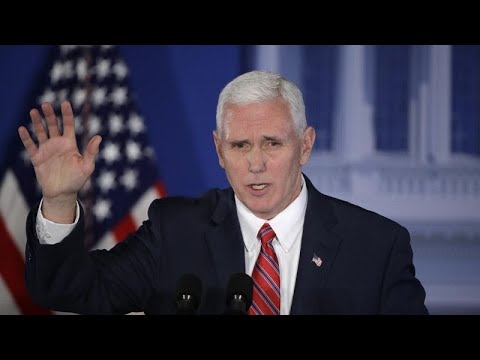
Orban and Putin's Shadow Deal
Hungarian Prime Minister Viktor Orban has long been a polarizing figure in the European Union, often clashing with Brussels over his nationalist stance and cozy relationships with authoritarian leaders. Among these, his bond with Russian President Vladimir Putin has sparked widespread unease. Their partnership, marked by secretive agreements and high-profile meetings, has cast a shadow over Hungary’s role in Europe, raising questions about its loyalty to EU principles and its implications for regional stability.
Central to this controversy are energy agreements that tie Hungary closely to Russia. Despite EU efforts to wean itself off Russian energy amid the Ukraine war, Hungary has doubled down on its dependence. In 2022, Orban locked in a long-term gas deal with Moscow, securing favorable rates for Hungary. This move has been a boon for the country’s economy but has drawn ire for propping up Russia’s finances under global sanctions and weakening Europe’s united front.
The collaboration extends beyond gas. Hungary has tapped Russia’s Rosatom to upgrade its Paks nuclear facility, a multi-billion-euro project funded largely by a Russian loan. Details of the deal remain murky, with allegations of corruption swirling around it. Observers worry that this not only deepens Hungary’s debt to Russia but also hands Putin a foothold in critical European infrastructure.
Diplomatically, Orban has stirred the pot further. In July 2024, he made an unexpected trip to Moscow to meet Putin, touting “peace talks” for Ukraine just as Hungary took the EU Council presidency. EU leaders slammed the visit, insisting Orban had no authority to speak for the bloc. Days earlier, he’d pitched a ceasefire to Ukraine’s Volodymyr Zelenskyy in Kyiv—a suggestion Kyiv dismissed as a win for Russia. Orban framed these moves as a “peace mission,” but many see them as a bid to bolster ties with Putin while playing both sides.
The Orban-Putin alliance isn’t just pragmatic—it’s rooted in shared ideology. Both leaders champion “traditional values” and reject liberal democracy, with Orban openly admiring Putin’s strongman tactics. This kinship has seen Hungary obstruct EU sanctions on Russia and stall aid to Ukraine, frustrating allies and amplifying divisions within the bloc.
The fallout is significant. Orban’s actions strain Hungary’s standing in the EU and NATO, casting doubt on its commitment to collective goals. They also signal to other populist figures that defying the EU for national gain is viable. As Europe navigates Russia’s aggression, the Orban-Putin pact remains a flashpoint, its full consequences still unfolding.

EU: Netherlands causes headaches in Brussels
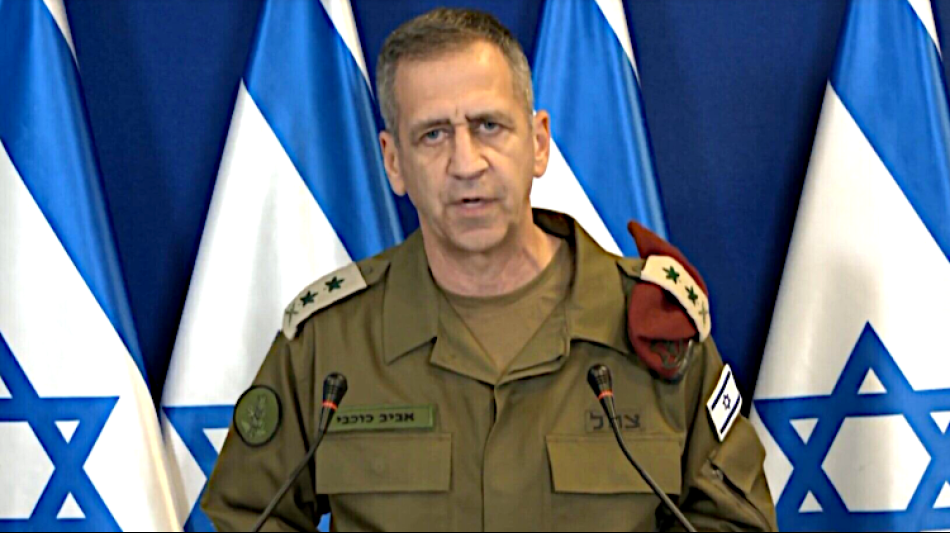
Israel in the fight against the terror scum of Hamas

Italy: Storm Ciarán brings disastrous record rainfall
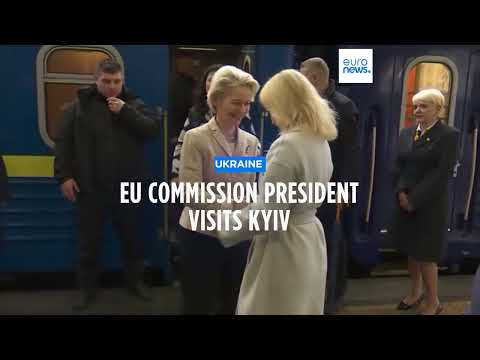
What remains of the EU leader's visit to Kiev?
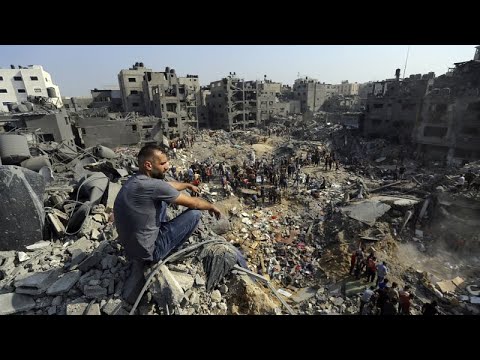
Gaza: Hamas terrorists responsible for expulsion

Vice-Chancellor Habeck: Empty words without action?

Israel: More bodies, weeks after Hamas terror attack
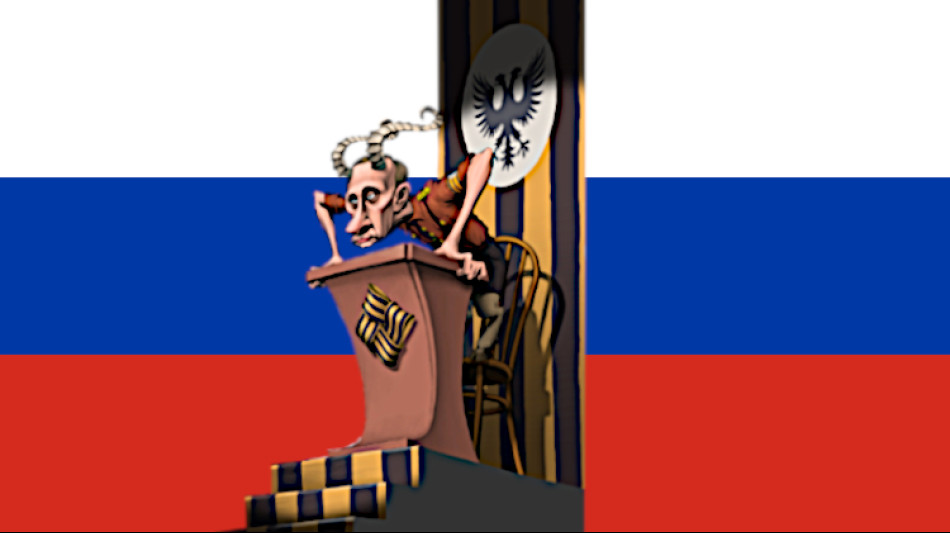
Israel politician threatens russian terror state on Russian TV

EU: No agreement on 10-year extension for glyphosate
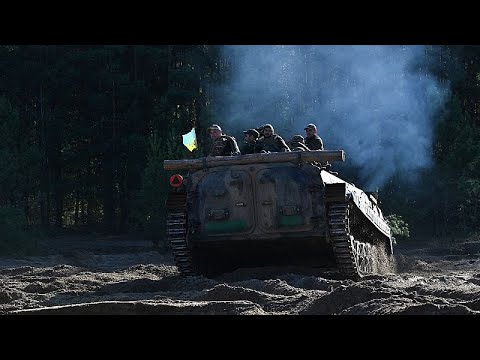
Ukraine: When will the world stand up to Russian terror?
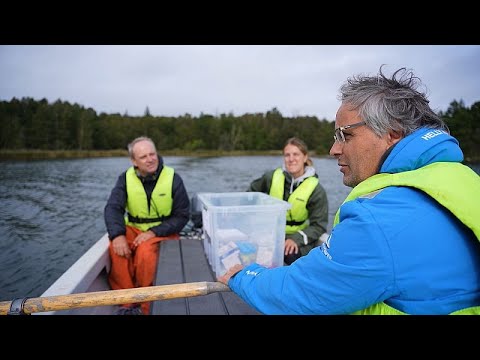
Warming: Methane levels rising, is this nature's answer?