-
 Drones hit Moscow as Russians go to the polls
-
Myanmar win first Asian Games teqball gold as Spain great Puyol watches

-
 New England boss Fleming says 'wrong' to ask Stokes to end retirement
-
China's 13-year-old Yu scorches to first major gold at Asian Games

-
 Germans vote in elections threatening fresh blow to Merz
-
Russians vote on last day of parliamentary elections

-
 US fears rapid escalation in Mideast after Houthis attack Riyadh
-
Hong Kong pays final respects to former city leader Tung

-
 Japan triathlete Hojo wins first gold of Asian Games
-
Typhoon put people off Asian Games opening ceremony, official says

-
 IOC president impressed by 'beautiful' Asian Games wooden huts
-
China's 13-year-old Yu cruises as Asian Games swimming begins

-
 First Asian Games gold goes to Japan as China's 13-year-old Yu lights up pool
-
AI 'warning shots' focus Beijing on national security risks

-
 Data centre command hub keeps AI up and running
-
Philippine tribe in limbo over US-led tech hub

-
 Pope Leo in France: the issues on the table
-
Leo XIV, first US pope transcends his restrained style

-
 Packing for a pope: behind the scenes on foreign trips
-
Singer Ed Sheeran says Gaza situation 'unjustifiable' following controversy

-
 Republicans find transgender issues a powerful political weapon in midterm campaigning
-
In 'Tenzing', a Sherpa mountaineer gets his due

-
 German state elections threaten new shock waves for Merz
-
Ed Sheeran set to return to stage after Palestinian controversy

-
 Chile's Bachelet quits race to be next UN chief
-
Toulouse edge Vannes, Lyon beat Pau to take Top 14 summit

-
 Raphinha treble fires perfect Barca to win at Sevilla
-
Germans arrested for Louvre stunt in Mona Lisa hall

-
 Thiam makes winning heptathlon return at Decastar meet
-
Saudi-led coalition says Houthis fired ballistic missile at Riyadh

-
 Czechs beat USA to qualify for Davis Cup finals
-
France's debt climbs to highest since 1978: ministry

-
 Dortmund sink Stuttgart to climb to Bundesliga summit
-
McIlroy two shots off the lead at Wentworth after eagle on 18

-
 Trump says will not tolerate attempts to slow AI growth
-
Martinez brace saves Inter in Serie A top-two clash with Roma

-
 'It has to stop': runners protest women's murders in S.Africa district
-
Rosenior abused but guides Paris FC past old club Strasbourg

-
 Fire erupts near Riyadh airport as Houthis claim strikes
-
Seven-try Lyon beat Pau, climb to Top 14 summit

-
 Cuba works to restore power after another blackout
-
Brighton defeat a 'big lesson' against complacency for Arsenal, says Arteta

-
 England thrash Sri Lanka again to return to top of T20 rankings
-
Thousands protest inaction over climate crisis in Switzerland

-
 Arsenal thrashed by Brighton, sorry Spurs lose again
-
Carapaz out of cycling world championships

-
 South Korea, Austria qualify for Davis Cup finals
-
'Fragile' Tottenham beaten by Aston Villa despite late rally
-
 Seare shocks Ingebrigtsen to win world 5km gold
-
Mourinho hails Real Madrid grit before Atletico derby clash
Israel-Iran: USA Strikes
The ongoing conflict between Israel and Iran has reached a critical juncture, with the United States becoming increasingly embroiled in the hostilities. Recent military actions, including U.S. strikes on Iranian nuclear sites, have escalated tensions in the Middle East, drawing global attention and concern. This article explores the latest developments in the Israel-Iran conflict, the role of the United States, and the potential implications for international security.
Background of the Conflict
The Israel-Iran conflict has deep historical roots, but recent events have brought the tensions to a boiling point. Israel has long viewed Iran’s nuclear programme as an existential threat, while Iran has consistently denied seeking nuclear weapons, insisting its programme is for peaceful purposes. The conflict intensified in June 2025, when Israel launched a series of airstrikes on Iranian nuclear facilities, including Fordow, Natanz, and Isfahan. These strikes were aimed at crippling Iran’s ability to develop nuclear weapons, a goal Israel has pursued with increasing urgency.
In response, Iran retaliated by firing missiles at Israeli targets, including Ben Gurion Airport and military command centres. The Iranian Revolutionary Guard Corps (IRGC) also deployed advanced missiles, such as the Kheibar Shekan, in what it described as retaliatory measures. The conflict has resulted in significant casualties, with over 430 deaths reported in Iran and 24 in Israel, along with thousands of injuries on both sides.
U.S. Involvement: A Turning Point
The United States, a long-standing ally of Israel, initially maintained a cautious stance, focusing on diplomatic efforts to de-escalate the situation. However, on June 22, 2025, the U.S. military launched airstrikes on three key Iranian nuclear sites—Fordow, Natanz, and Isfahan—marking a significant escalation in the conflict. U.S. President Donald Trump described the operation, dubbed "Operation Midnight Hammer," as a "spectacular military success" and warned Iran of further strikes if Voiceit retaliated.
The U.S. strikes were carried out using B-2 stealth bombers and submarine-launched Tomahawk cruise missiles, targeting Iran's nuclear infrastructure. While Trump claimed that the sites were "completely and fully obliterated," Iranian officials downplayed the damage, stating that no contamination or radiation leaks had occurred. The strikes have raised concerns about the potential for a broader regional war, with fears that the conflict could spiral out of control.
International Reactions and Diplomatic Efforts
The international community has reacted with alarm to the escalating conflict. United Nations Secretary-General António Guterres expressed grave concern, warning that the situation could lead to "catastrophic consequences for civilians, the region, and the world." He called for an immediate cessation of hostilities and a return to negotiations. Similarly, the European Union’s foreign policy chief, Kaja Kallas, urged all parties to exercise restraint and prevent further escalation.
Several countries, including China, Russia, and members of the Arab League, have condemned the U.S. and Israeli actions, calling them violations of international law. China’s official stance criticised the U.S. strikes as a "further step toward the abyss," while Oman, which had been mediating nuclear talks between the U.S. and Iran, described the attacks as a "serious violation of international law." Despite these condemnations, the U.S. and Israel have defended their actions as necessary to prevent Iran from acquiring nuclear weapons.
Diplomatic efforts to resolve the conflict have thus far failed. Iran’s foreign ministry has stated that the time for diplomacy has passed, and the country has the right to defend itself. Meanwhile, U.S. officials have indicated that they do not seek a full-scale war but are prepared to take further action if necessary. The situation remains highly volatile, with both sides exchanging threats and preparing for potential further military engagements.
Iran's Response and Internal Dynamics
Iran’s leadership has vowed to retaliate against both Israel and the United States. Supreme Leader Ayatollah Ali Khamenei has warned that the "punishment" of Israel will continue, and Iranian officials have hinted at targeting U.S. military assets in the region. Despite the external pressure, Iran’s nuclear agency has reported that its facilities remain operational, with no significant damage to its nuclear programme. However, the conflict has taken a toll on Iran’s civilian population, with hundreds of deaths and widespread disruption to daily life.
Internally, Iran faces growing unrest, as the conflict exacerbates economic hardships and fuels public discontent. Reports from Tehran indicate that many residents have fled the city to escape the violence, while others have taken to the streets in protest against the government’s handling of the crisis. The Iranian regime, already weakened by years of sanctions and internal dissent, now faces the dual challenge of managing a war with Israel and the U.S. while maintaining domestic stability.
The Role of Regional Actors
The conflict has also drawn in other regional actors, though their involvement has been limited. Iran’s proxy forces, such as Hezbollah in Lebanon and the Houthis in Yemen, have remained largely silent, offering little concrete support to Tehran. This lack of backing has left Iran increasingly isolated, as its allies face their own domestic pressures and are reluctant to engage in a wider conflict. Israel, on the other hand, has received tacit support from several Gulf states, which view Iran as a common adversary.
The United States’ decision to intervene militarily has further complicated the regional dynamics. While some Arab nations have privately welcomed the strikes as a blow to Iran’s nuclear ambitions, others have publicly condemned the U.S. actions, fearing that the conflict could destabilise the entire Middle East. The situation remains fluid, with the potential for further escalation depending on Iran’s next moves.
Final Conclusion
The Israel-Iran conflict, now involving the United States, represents one of the most dangerous flashpoints in the Middle East in decades. With both sides entrenched in their positions and the international community divided on how to respond, the risk of a broader war looms large. The coming days will be critical in determining whether diplomatic efforts can prevail or if the region will descend into further violence. As the world watches, the stakes for global security have never been higher.
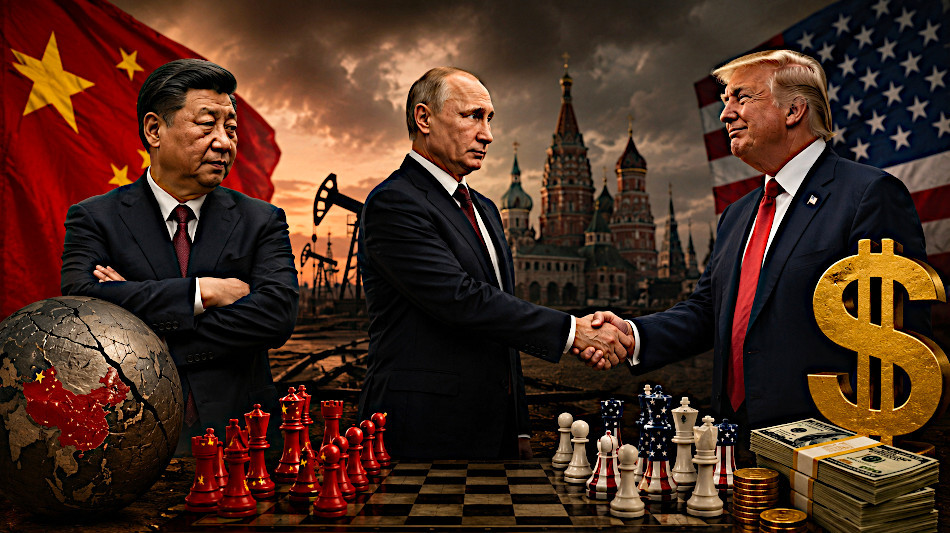
Russia’s dollar pivot
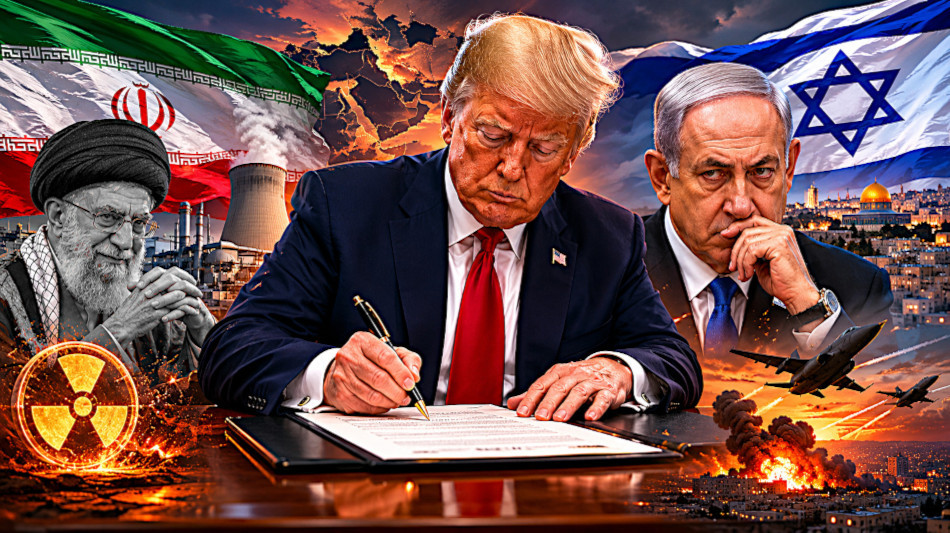
Israel riled by US-Iran pact

US China race hits 2027

Brussels misreads Magyar
Mexico after El Mencho falls

Nicaragua on the brink?
Strike fears rise over Iran
EU misstep on mercosur Deal

India defies U.S. tariffs

AI sparks Wall Street panic
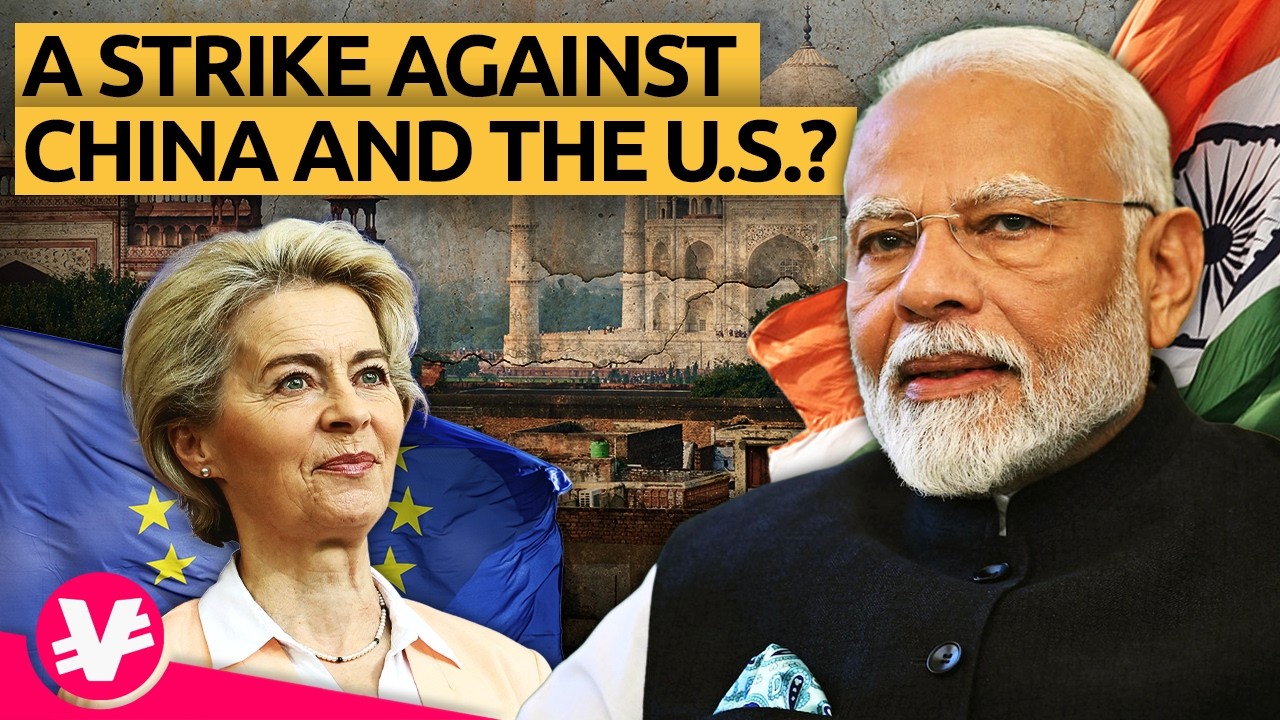
EU India deal gains unveiled