-
 Germans vote in elections threatening fresh blow to Merz
-
Russians vote on last day of parliamentary elections

-
 US fears rapid escalation in Mideast after Houthis attack Riyadh
-
Hong Kong pays final respects to former city leader Tung

-
 Japan triathlete Hojo wins first gold of Asian Games
-
Typhoon put people off Asian Games opening ceremony, official says

-
 IOC president impressed by 'beautiful' Asian Games wooden huts
-
China's 13-year-old Yu cruises as Asian Games swimming begins

-
 First Asian Games gold goes to Japan as China's 13-year-old Yu lights up pool
-
AI 'warning shots' focus Beijing on national security risks

-
 Data centre command hub keeps AI up and running
-
Philippine tribe in limbo over US-led tech hub

-
 Pope Leo in France: the issues on the table
-
Leo XIV, first US pope transcends his restrained style

-
 Packing for a pope: behind the scenes on foreign trips
-
Singer Ed Sheeran says Gaza situation 'unjustifiable' following controversy

-
 Republicans find transgender issues a powerful political weapon in midterm campaigning
-
In 'Tenzing', a Sherpa mountaineer gets his due

-
 German state elections threaten new shock waves for Merz
-
Ed Sheeran set to return to stage after Palestinian controversy

-
 Chile's Bachelet quits race to be next UN chief
-
Toulouse edge Vannes, Lyon beat Pau to take Top 14 summit

-
 Raphinha treble fires perfect Barca to win at Sevilla
-
Germans arrested for Louvre stunt in Mona Lisa hall

-
 Thiam makes winning heptathlon return at Decastar meet
-
Saudi-led coalition says Houthis fired ballistic missile at Riyadh

-
 Czechs beat USA to qualify for Davis Cup finals
-
France's debt climbs to highest since 1978: ministry

-
 Dortmund sink Stuttgart to climb to Bundesliga summit
-
McIlroy two shots off the lead at Wentworth after eagle on 18

-
 Trump says will not tolerate attempts to slow AI growth
-
Martinez brace saves Inter in Serie A top-two clash with Roma

-
 'It has to stop': runners protest women's murders in S.Africa district
-
Rosenior abused but guides Paris FC past old club Strasbourg

-
 Fire erupts near Riyadh airport as Houthis claim strikes
-
Seven-try Lyon beat Pau, climb to Top 14 summit

-
 Cuba works to restore power after another blackout
-
Brighton defeat a 'big lesson' against complacency for Arsenal, says Arteta

-
 England thrash Sri Lanka again to return to top of T20 rankings
-
Thousands protest inaction over climate crisis in Switzerland

-
 Arsenal thrashed by Brighton, sorry Spurs lose again
-
Carapaz out of cycling world championships

-
 South Korea, Austria qualify for Davis Cup finals
-
'Fragile' Tottenham beaten by Aston Villa despite late rally
-
 Seare shocks Ingebrigtsen to win world 5km gold
-
Mourinho hails Real Madrid grit before Atletico derby clash
-
 Brigitte Bardot widower slams sale of star's belongings
-
Martin wins Austrian MotoGP sprint after Acosta crash

-
 Aston Villa compound Tottenham's misery despite late rally
-
Japan edge Fiji to win Pacific Nations Cup

Operation Venezuela: Scenario
The United States has surged naval power into the southern Caribbean under the banner of “enhanced counter-narcotics” operations, while Venezuela has mobilized forces and militias at home. Against this backdrop, security planners are gaming out a scenario sometimes dubbed “Operation Venezuela”: a coercive campaign designed to capture or incapacitate Nicolás Maduro’s ruling circle without a prolonged occupation. What follows is a non-fiction analysis—anchored in current, publicly reported facts—of how such an operation would likely be built.
Phase 0: Political framing and legal scaffolding
Before the first shot, Washington would frame action as a transnational crime and regional security problem—drug-cartel interdiction, hostage/prisoner issues, and the defense of maritime commerce—while tightening energy and financial sanctions to constrict cash flows. Expect parallel diplomacy at the Organization of American States, quiet outreach to Caribbean partners for port and air access, and coordination with the Netherlands (Curaçao/Aruba) and Colombia on overflight and logistics. The immediate aim is legitimacy, basing, and intelligence sharing—without conceding that regime change is the objective.
Phase 1: Maritime and air “quarantine,” intelligence dominance
With destroyers, a cruiser, and an amphibious assault ship already in theater, the opening move would be sea control: persistent patrols, air and surface interdictions, and boarding of suspect craft outside Venezuelan territorial waters. Overhead, ISR aircraft and space-based assets would build a detailed picture of Venezuelan command-and-control, air defenses, and leadership movements. Electronic warfare and cyber units would probe networks, map radar coverage, and seed access for later disruption.
Phase 2: Blinding the air defenses (SEAD/DEAD)
Any kinetic step ashore would first require suppressing Venezuela’s layered air defenses, which include long-range S-300-class systems, medium-range batteries, and a radar network anchored around key urban and oil-infrastructure hubs. The likely playbook: stand-off jamming, decoys, cyber effects against air-defense command nodes, and precision strikes on select radars and launchers. The objective isn’t to raze the entire integrated air defense system, but to carve a time-limited corridor for special operations aviation and maritime helicopters.
Phase 3: “Decapitation” raids and denial of escape
If the operation sought to detain Maduro or senior figures, special mission units would move near-simultaneously against leadership safe sites, communications hubs, and key airports (to deny flight). Maritime teams could sabotage executive transport and pier-side escape options, while airborne elements secure runways for short windows. The template is historical: neutralize mobility, isolate the inner circle, exploit surprise—and exfiltrate quickly if the political costs spike.
Phase 4: Precision punishment without invasion
Should detention prove unworkable, an intermediate option is calibrated strikes against regime-critical assets: intelligence headquarters, military logistics depots, and select revenue nodes tied to illicit finance—while avoiding broad infrastructure damage. This keeps the campaign within days, not months, and reduces the risk of urban combat in Caracas or Maracaibo.
What could go wrong
Air denial is not trivial. Even a partially functional S-300 umbrella complicates rotary-wing ingress near the capital. Urban complexity. Caracas favors defenders; militias and security services could draw raids into dense neighborhoods. External spoilers. Advisers from partner states, and offshore intelligence support to Caracas, can raise the cost and duration of any action. Regional blowback. Mexico and others oppose foreign intervention; without a clear regional mandate, sustained operations risk isolating Washington diplomatically. Oil shock and migration. Renewed sanctions and kinetic action could squeeze supplies and push new refugee flows toward Colombia, Brazil, and the Caribbean.
Signals to watch if the crisis escalates
- Additional amphibious shipping or Marine aviation assets entering the theater.
- Surge of aerial refueling tankers and electronic-attack aircraft to forward locations.
- Cyber disruptions at Venezuelan ministries, state media, or airport systems.
- “Maritime safety” notices suggesting wider exclusion zones off the Venezuelan coast.
- Expanded coordination cells announced by U.S. Southern Command with regional partners.
Bottom line
The most plausible U.S. approach is coercive capture—short, sharp, and intelligence-led—nested inside a broader maritime and sanctions squeeze. A full-scale invasion is unlikely and unnecessary for the campaign’s immediate aims. Yet even a limited raid carries real risks: air-defense attrition, urban friction, regional polarization, and economic blowback. In crisis management terms, the escalatory ladder is crowded—and every rung is slippery.

Brussels, my Love? EU-Market "sexy" for voters?

The great Cause: Biden-Harris 2024
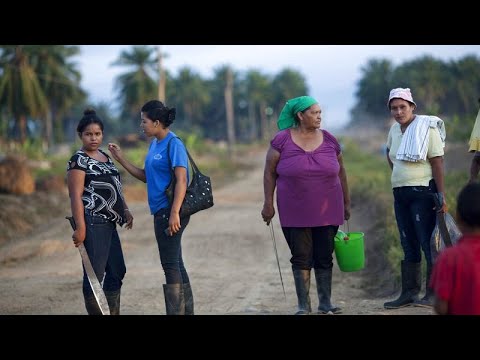
UN: Tackling gender inequality crucial to climate crisis

Scientists: "Mini organs" from human stem cells
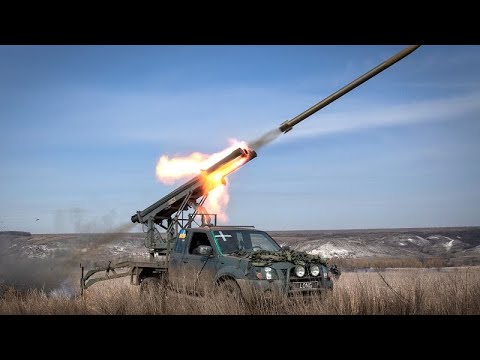
ICC demands arrest of Russian officers
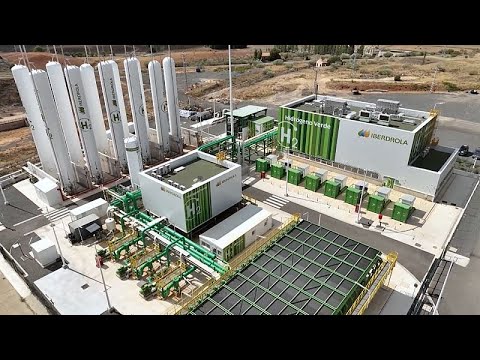
Europe and its "big" goals for clean hydrogen
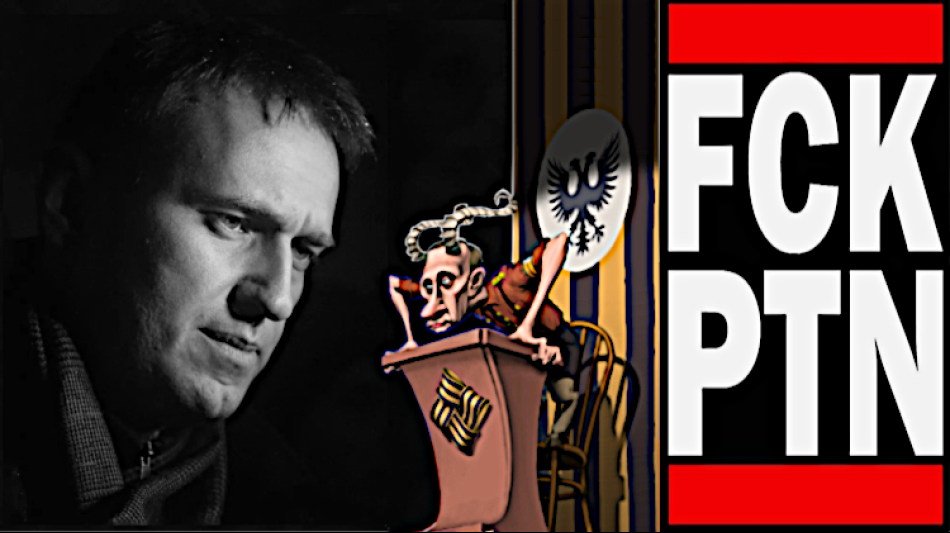
Putin and the murder of Alexei Navalny (47†)

Measles: UK authorities call for vaccinate children
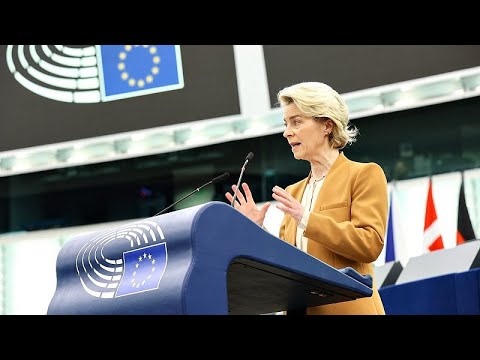
EU: Von der Leyen withdraws controversial pesticide law

EU: Prison for "paedophilia manuals" and child abuse forgeries
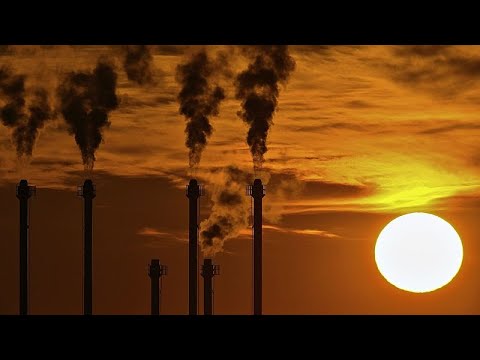
EU: 90% cut of all greenhouse gas emissions by 2040?