-
 Drones hit Moscow as Russians go to the polls
-
Myanmar win first Asian Games teqball gold as Spain great Puyol watches

-
 New England boss Fleming says 'wrong' to ask Stokes to end retirement
-
China's 13-year-old Yu scorches to first major gold at Asian Games

-
 Germans vote in elections threatening fresh blow to Merz
-
Russians vote on last day of parliamentary elections

-
 US fears rapid escalation in Mideast after Houthis attack Riyadh
-
Hong Kong pays final respects to former city leader Tung

-
 Japan triathlete Hojo wins first gold of Asian Games
-
Typhoon put people off Asian Games opening ceremony, official says

-
 IOC president impressed by 'beautiful' Asian Games wooden huts
-
China's 13-year-old Yu cruises as Asian Games swimming begins

-
 First Asian Games gold goes to Japan as China's 13-year-old Yu lights up pool
-
AI 'warning shots' focus Beijing on national security risks

-
 Data centre command hub keeps AI up and running
-
Philippine tribe in limbo over US-led tech hub

-
 Pope Leo in France: the issues on the table
-
Leo XIV, first US pope transcends his restrained style

-
 Packing for a pope: behind the scenes on foreign trips
-
Singer Ed Sheeran says Gaza situation 'unjustifiable' following controversy

-
 Republicans find transgender issues a powerful political weapon in midterm campaigning
-
In 'Tenzing', a Sherpa mountaineer gets his due

-
 German state elections threaten new shock waves for Merz
-
Ed Sheeran set to return to stage after Palestinian controversy

-
 Chile's Bachelet quits race to be next UN chief
-
Toulouse edge Vannes, Lyon beat Pau to take Top 14 summit

-
 Raphinha treble fires perfect Barca to win at Sevilla
-
Germans arrested for Louvre stunt in Mona Lisa hall

-
 Thiam makes winning heptathlon return at Decastar meet
-
Saudi-led coalition says Houthis fired ballistic missile at Riyadh

-
 Czechs beat USA to qualify for Davis Cup finals
-
France's debt climbs to highest since 1978: ministry

-
 Dortmund sink Stuttgart to climb to Bundesliga summit
-
McIlroy two shots off the lead at Wentworth after eagle on 18

-
 Trump says will not tolerate attempts to slow AI growth
-
Martinez brace saves Inter in Serie A top-two clash with Roma

-
 'It has to stop': runners protest women's murders in S.Africa district
-
Rosenior abused but guides Paris FC past old club Strasbourg

-
 Fire erupts near Riyadh airport as Houthis claim strikes
-
Seven-try Lyon beat Pau, climb to Top 14 summit

-
 Cuba works to restore power after another blackout
-
Brighton defeat a 'big lesson' against complacency for Arsenal, says Arteta

-
 England thrash Sri Lanka again to return to top of T20 rankings
-
Thousands protest inaction over climate crisis in Switzerland

-
 Arsenal thrashed by Brighton, sorry Spurs lose again
-
Carapaz out of cycling world championships

-
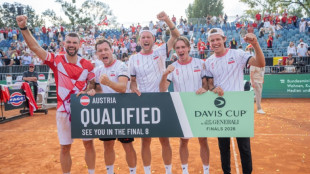 South Korea, Austria qualify for Davis Cup finals
-
'Fragile' Tottenham beaten by Aston Villa despite late rally

-
 Seare shocks Ingebrigtsen to win world 5km gold
-
Mourinho hails Real Madrid grit before Atletico derby clash
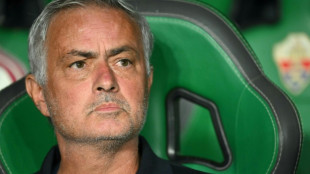
Milei suffers crushing Defeat
Argentina’s political earthquake arrived in its largest province. In Buenos Aires—home to roughly two out of every five Argentines and a third of national output—voters delivered a decisive rebuke to President Javier Milei’s libertarian experiment. The opposition’s double‑digit win there has redefined the battlefield ahead of the October 26 midterms and raised the most consequential question of Milei’s tenure: has the shock‑therapy project reached its political limits, or can it be reshaped to survive?
The weekend vote was more than a provincial skirmish. Buenos Aires Province is the bellwether of national mood, the place where governing coalitions are tested against kitchen‑table realities. Since taking office in December 2023, Milei has cut public spending, torn up regulations, and promised to “chainsaw” a bloated state. The promise was stabilization and a return to growth. The reality, for now, is disinflation alongside recessionary pain—and a public impatient with the trade‑offs.
The defeat capped a brutal week in Congress. Senators in a rare show of cross‑party force overturned the president’s veto of an emergency law for people with disabilities, the first time lawmakers have reversed a veto in his term. That vote exposed a governing weakness that polls had long foreshadowed: with only a small minority in the legislature, the administration needs allies to pass—or defend—its agenda. Without them, vetoes can be overridden and decrees can be struck down, turning executive maximalism into legislative stasis.
The economic fallout was immediate. Investors who had priced in a tighter race in Buenos Aires marked down Argentine assets: the peso slid, local stocks tumbled, and dollar bonds sank. Those moves do not merely reflect skittish traders; they speak to a deeper concern about policy durability. Stabilization plans succeed when markets, businesses, and households believe governments can stick with them through the next election. A double‑digit loss in the country’s biggest province—on the eve of national midterms—casts doubt on that belief.
Yet the macro scoreboard holds genuine wins. Monthly inflation, once galloping, is now down to the low single digits, with August clocking in at 1.9% and the annual rate falling to the mid‑30s—its lowest in years. That is not trivial in a country battered by recurring price spirals. But stabilization has not felt like relief. Unemployment climbed earlier this year, real wages are fragile, and public services—from universities to hospitals—have become flashpoints in street politics and Senate votes alike. In short, disinflation without growth has proved a hard sell.
Politically, the map is shifting. The Peronist opposition emerges emboldened and more unified in the province that most shapes national outcomes. Moderate center‑right blocs, kingmakers on pivotal bills, now see greater leverage in demanding changes to the government’s approach. Meanwhile, the administration is fending off an ethics storm tied to the disability agency that, regardless of legal outcomes, has further complicated coalition building. Governance in Argentina has always been a game of arithmetic; after Buenos Aires, the numbers look harsher for the Casa Rosada.
Milei’s response has been defiance and focus. He scrapped a high‑profile foreign trip and insisted the program will not retreat “one millimeter.” That message shores up his core base—and markets like clarity—but it also hardens the lines with potential legislative partners who bristle at being bulldozed. If the government wants to avoid paralysis, it faces a strategic choice: continue governing by confrontation, or translate a movement into a coalition that can last beyond a single news cycle.
What would a survivable version of the project look like? First, a pivot from chainsaw to scalpel: prioritize a handful of reforms with broad support (tax rationalization, simplification of import/export rules, and credible, rules‑based monetary policy) over sprawling omnibus fights that unify the opposition. Second, institutionalize the stabilization: codify fiscal rules, improve budget transparency, and pre‑agree social floors (for disability benefits, school meals, essential medicines) that take the sting out of austerity. Third, build a minimum viable coalition: offer procedural concessions in Congress and genuine co‑ownership of reforms to centrists who can deliver votes and legitimacy.
None of this is guaranteed. The midterms on October 26 could narrow or widen the path. A better‑than‑expected result for the ruling party would reduce veto risks and revive momentum; a worse‑than‑expected outcome would turn the next year into a trench war of vetoes, court challenges, and market flare‑ups. In either case, Argentina does not need to “fail again.” It needs a version of reform that is less theatrical and more durable—a politics that trades viral moments for legislative math.
The Buenos Aires result was a verdict on pace, priorities, and tone. It was not a binding judgment on whether Argentina must choose between stabilization and dignity. The question now is whether the president can adjust his method without abandoning his aim—turning a shock into a strategy, and a plurality into a governing majority. If he can, the project may yet outlast the week’s defeat. If he cannot, the defeat may define the project.

Spain defies NATO's 5% goal

Europe’s arms money maze

Iran lifts Dollar, sinks Euro

Hormuz Shock Risk rising

Iran's revenge rewired
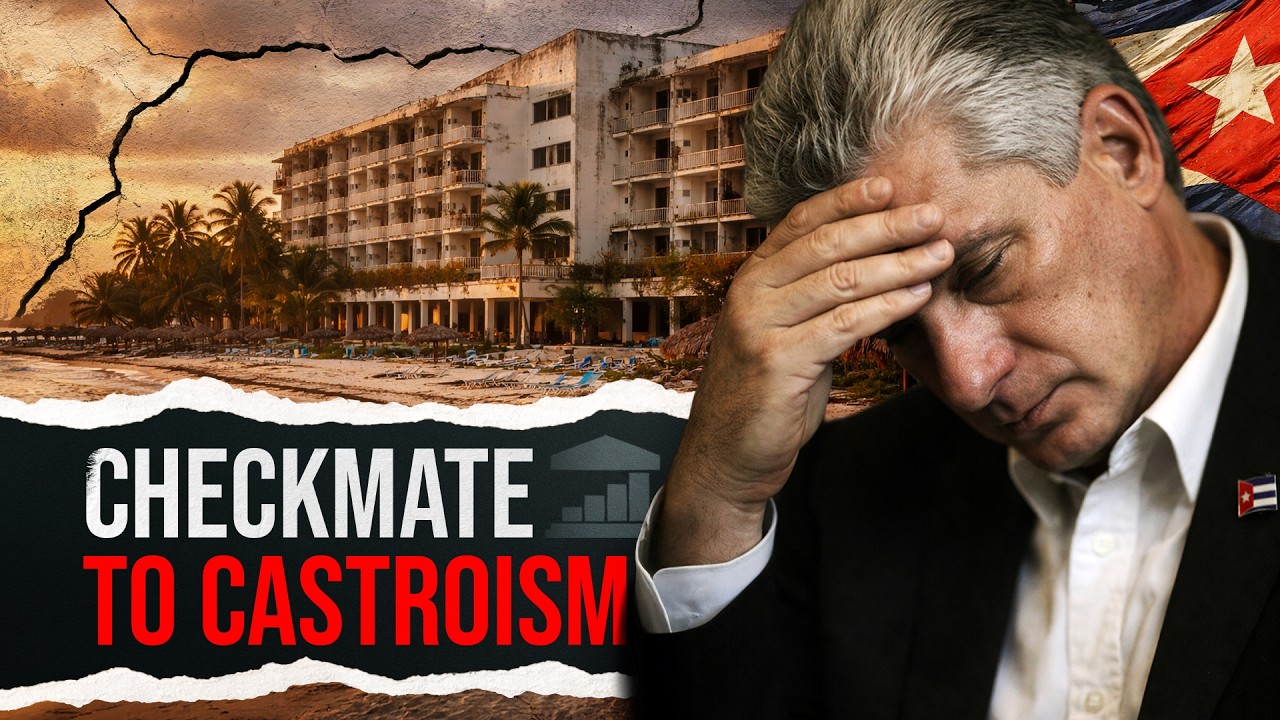
Cuba's golden Goose dies

Hidden Cartel crisis in USA

New York’s lost Luster

Europe’s power shock

Australian economy Crisis

Pension crisis engulfs France