-
 Drones hit Moscow as Russians go to the polls
-
Myanmar win first Asian Games teqball gold as Spain great Puyol watches

-
 New England boss Fleming says 'wrong' to ask Stokes to end retirement
-
China's 13-year-old Yu scorches to first major gold at Asian Games

-
 Germans vote in elections threatening fresh blow to Merz
-
Russians vote on last day of parliamentary elections

-
 US fears rapid escalation in Mideast after Houthis attack Riyadh
-
Hong Kong pays final respects to former city leader Tung

-
 Japan triathlete Hojo wins first gold of Asian Games
-
Typhoon put people off Asian Games opening ceremony, official says

-
 IOC president impressed by 'beautiful' Asian Games wooden huts
-
China's 13-year-old Yu cruises as Asian Games swimming begins

-
 First Asian Games gold goes to Japan as China's 13-year-old Yu lights up pool
-
AI 'warning shots' focus Beijing on national security risks

-
 Data centre command hub keeps AI up and running
-
Philippine tribe in limbo over US-led tech hub

-
 Pope Leo in France: the issues on the table
-
Leo XIV, first US pope transcends his restrained style

-
 Packing for a pope: behind the scenes on foreign trips
-
Singer Ed Sheeran says Gaza situation 'unjustifiable' following controversy

-
 Republicans find transgender issues a powerful political weapon in midterm campaigning
-
In 'Tenzing', a Sherpa mountaineer gets his due

-
 German state elections threaten new shock waves for Merz
-
Ed Sheeran set to return to stage after Palestinian controversy

-
 Chile's Bachelet quits race to be next UN chief
-
Toulouse edge Vannes, Lyon beat Pau to take Top 14 summit

-
 Raphinha treble fires perfect Barca to win at Sevilla
-
Germans arrested for Louvre stunt in Mona Lisa hall

-
 Thiam makes winning heptathlon return at Decastar meet
-
Saudi-led coalition says Houthis fired ballistic missile at Riyadh

-
 Czechs beat USA to qualify for Davis Cup finals
-
France's debt climbs to highest since 1978: ministry

-
 Dortmund sink Stuttgart to climb to Bundesliga summit
-
McIlroy two shots off the lead at Wentworth after eagle on 18

-
 Trump says will not tolerate attempts to slow AI growth
-
Martinez brace saves Inter in Serie A top-two clash with Roma

-
 'It has to stop': runners protest women's murders in S.Africa district
-
Rosenior abused but guides Paris FC past old club Strasbourg

-
 Fire erupts near Riyadh airport as Houthis claim strikes
-
Seven-try Lyon beat Pau, climb to Top 14 summit

-
 Cuba works to restore power after another blackout
-
Brighton defeat a 'big lesson' against complacency for Arsenal, says Arteta

-
 England thrash Sri Lanka again to return to top of T20 rankings
-
Thousands protest inaction over climate crisis in Switzerland

-
 Arsenal thrashed by Brighton, sorry Spurs lose again
-
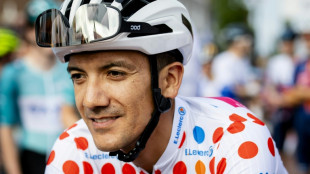
Carapaz out of cycling world championships
-
 South Korea, Austria qualify for Davis Cup finals
-
'Fragile' Tottenham beaten by Aston Villa despite late rally

-
 Seare shocks Ingebrigtsen to win world 5km gold
-
Mourinho hails Real Madrid grit before Atletico derby clash
Al-Qaida’s growing ambitions
In recent years, Al‑Qaida has quietly restructured and expanded key elements of its network — from training camps and regional affiliates in Afghanistan and beyond, to renewed focus on propaganda and recruitment through modern communications. This resurgence, though still fragmented, increasingly suggests that Al-Qaida is laying groundwork not only for sporadic terror attacks, but for establishing durable footholds which could evolve into de facto zones of control — a development that should alarm European security institutions.
Once seen as largely diminished with the removal of high-profile leadership, Al-Qaida has demonstrated remarkable resilience. Its decentralized “network of networks” model enables local affiliates and loosely connected cells to operate with considerable autonomy, while still drawing ideological coherence and logistical support from the core. This model lowers entry barriers for local militant groups inspired by its ideology — a subtle but potent evolution from the classic “top-down” terror organization.
Moreover, Al-Qaida’s adoption of new technologies complicates detection. Terrorist actors increasingly rely on encrypted platforms, the dark web, and even generative-AI tools to recruit, radicalize and coordinate operations. This digital shift enables remote radicalization and planning, reducing the need for physical sanctuaries — but also masking activities from traditional intelligence and law-enforcement scrutiny.
Regions of instability — such as parts of the Middle East, North Africa, and the Sahel — have become fertile ground for Al-Qaida’s expansion. These zones, often neglected in public discourse, now serve as incubators for networks that may aim to export influence, operatives, or refugees toward Europe. Historical experience shows that even small cells — when radicalized, organized, and motivated — can inflict damage beyond their geographical origins.
For Europe, the threat lies not only in headline-grabbing terror attacks, but in the gradual erosion of security through infiltration, radicalization, sleeper-cells, and covert networks. Should Al-Qaida succeed in consolidating territories or safe havens, the challenge would shift from reactive counterterrorism to a strategic struggle over long-term stability.
Now more than ever, European governments and institutions must treat Al-Qaida as a dynamic, evolving network — not a relic of the past. Proactive, coordinated efforts in intelligence-sharing, deradicalization, monitoring of migration flows, and disruption of online propaganda are crucial. Ignoring the signs of Al-Qaida’s silent reorganization would be a dangerous gamble: the consequences could redefine Europe’s security landscape for decades.

Operation Venezuela: Scenario

Russia's Drone ploy in Poland

Tanks in Gaza - Hopes dim?

Cuba's golden Goose dies

Brazil's trade-war boom

Iran lifts Dollar, sinks Euro
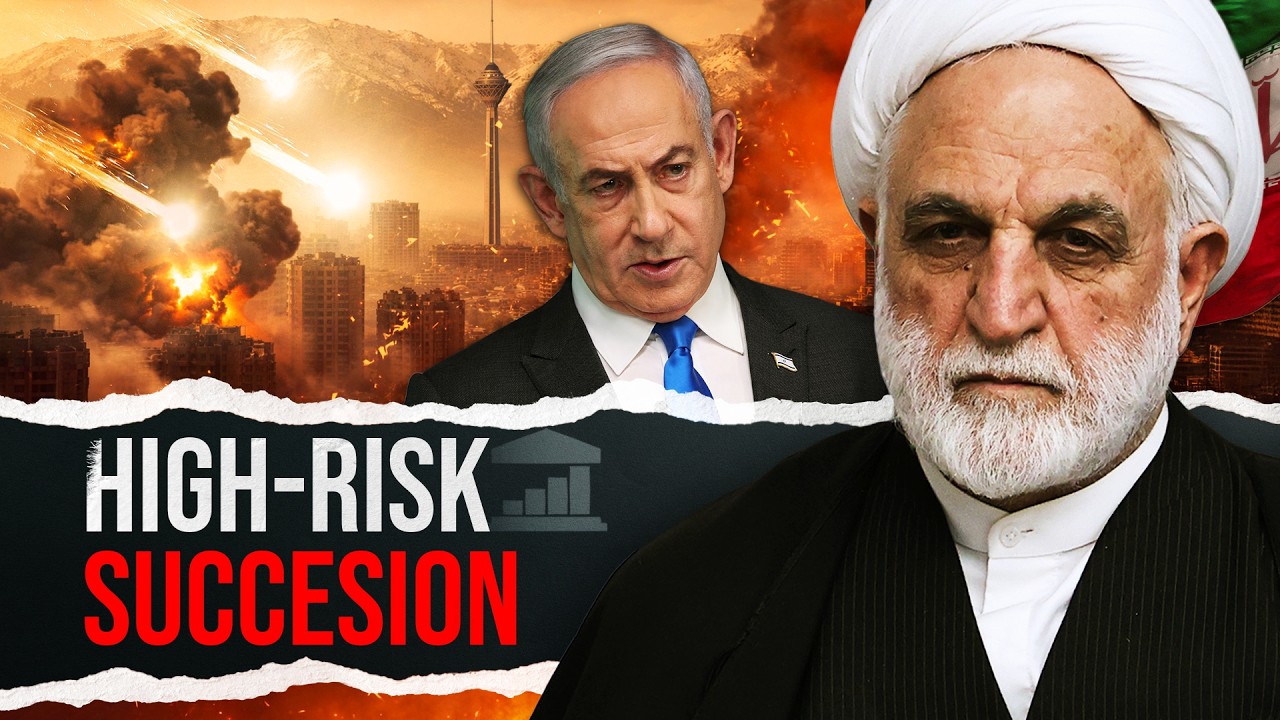
Israel presses Tehran

Orban and Putin's Shadow Deal

California's Economy: Not Broken

Trump’s 50% tariffs on europe

Jewish Success: Myths & Facts