-
 Sweet As app launches restaurant discovery platform
-
Two more arrested in Carrie Mullane suspected murder investigation

-
 MLA seeks inquiry into reported sectarian gestures on Ormeau Road
-
Mayo school appeals for information after convent and chapel vandalism

-
 Louise O’Reilly attacks Simon Harris over unemployment remarks
-
GLP-1 Users Show Higher Rates of Nail Detachment in New Studies

-
 Virginia overwhelms Arkansas 91-72 behind balanced scoring
-
Canadian soldier Aidan Goulding remembered at Vancouver funeral

-
 Second major storm brings destructive winds and outages to British Columbia
-
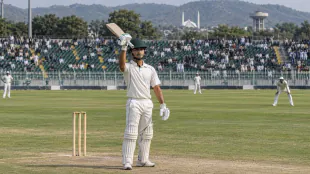
Tayyab Arif hits 57 on Pakistan Test debut against Sri Lanka
-
 Godzilla Minus Zero leads North American box office with $31.6m
-
Robert Trujillo discusses literacy and social justice children’s books

-
 Advocate calls for coordinated support for children facing trafficking
-
Civil rights advocate William Bill Tucker dies aged 98

-
 Dianna Russini Details 'Nightmare' Scandal Aftermath, Announces New Media Venture
-
Medicare Open Enrollment Ends Dec. 7: Review Your Coverage Options

-
 Pennsylvania Democrats secure state trifecta in midterm elections
-
US Treasury order targets bank transfers linked to crypto exchange MEXC

-
 Godzilla Minus Zero sets foreign-language box-office opening record
-
Eagles record six sacks as rushing attack struggles against Giants

-
 Villeneuve teases James Bond casting at Los Angeles museum gala
-
Thames Water seeks to delay £12bn in debt repayments

-
 Nottinghamshire launches specialist rural crime policing team
-
Newark boxing gym expands alternative education programme

-
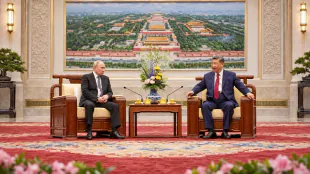 China confirms talks over possible Xi-Putin-Trump summit
-
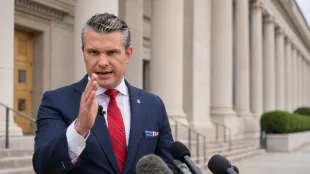
Democrats consider impeachment drive against Defence Secretary Hegseth
-
 Rail journey offers a slower route to a Berlin city break
-
Energy bill plan could use HMRC income data to target support

-
 Arsenal control title race as Manchester United fall into bottom three
-
Business owner earning £6,000 a month tackles £70,000 debt

-
 Suspected Krakow gunman dies after attack that killed six
-
Nvidia chief faces inquiry after disclosing affair with suspected Chinese agent

-
 Carrick backs Dalot after hostile reception from Manchester United fans
-
Comet returns as online electrical marketplace 14 years after collapse

-
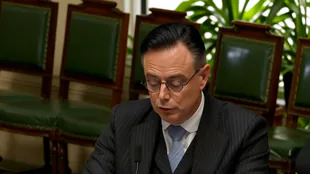 Belgian PM Bart De Wever Given New Deadline to Resolve €10 Billion Budget Deadlock
-
KUFOS Signs MoU With Old Dominion University to Expand Academic Ties

-
 $1.8 Billion Pledged for Biodiversity at COP17 as Monaco Reaffirms Commitment
-
Karen Wazen Launches First Standalone Boutiques in Cairo

-
 Phoenix Symphony Resumes Performances Amid Financial Uncertainty
-
Opti Digital Launches NEXA, an AI-Powered Intelligence Layer

BRICS-Dollar challenge
The BRICS countries are quietly mobilizing economic forces that could destabilize the US dollar’s long-standing dominance — at a time when the dollar appears increasingly vulnerable. Over the past months a clear shift has emerged: the grouping of major emerging economies is focusing on decreasing dollar dependency through bilateral trade in national currencies, while strengthening independent payment systems.
Under its 2025 rotating presidency, one of the flagship initiatives is the expansion of BRICS PAY — a payment messaging platform designed to allow member states to settle transactions without using the dollar or traditional Western-dominated banking rails. This development signals a subtle, yet significant, attempt to reshape international trade and finance.
Although plans for a single unified “BRICS currency” have been shelved for now — according to recent statements by officials from the presidency country — the strategic pivot toward local-currency settlements and alternative systems for cross-border payments remains very much alive. The goal appears to be less about instant replacement of the dollar, and more about gradual erosion of its monopoly.
The motivations are manifold. Many BRICS governments view the dollar’s status not simply as an economic norm, but as a lever of political pressure. Given recent sanctions regimes, trade wars, and sharp swings in US fiscal and monetary policy, trusting a currency so tightly linked to US geopolitical decisions has become increasingly unpalatable. The emerging economies behind BRICS are leveraging their growing share of global trade, commodities, and population to assert greater independence — both economic and political.
Analysts warn that while the dollar will likely remain dominant for the foreseeable future — due to its deep liquidity, global acceptance, and entrenched role in reserves and trade — the erosion of its role could have ripple effects. A sustained move by a major bloc of countries to settle trade in local currencies may gradually reduce demand for dollar-denominated reserves, alter global asset flows, and weaken the influence of US financial leverage.
For countries and investors around the world, the underlying message is: the financial order may be entering a period of structural transition. While immediate displacement of the dollar seems unlikely, the steady developments within BRICS hint at a future where global transactions are more multipolar, diversified and less US-centric.
In short: A large-scale challenge to the USD hegemony is being built not through bold proclamations, but through practical infrastructure and shifting economic habits — and its effects may unfold quietly, yet profoundly.

China’s lithography leap

Pakistan’s Taliban dilemma
Trump needs to avoid debt Collapse
Iran's Ayatollahs the next to Fall?
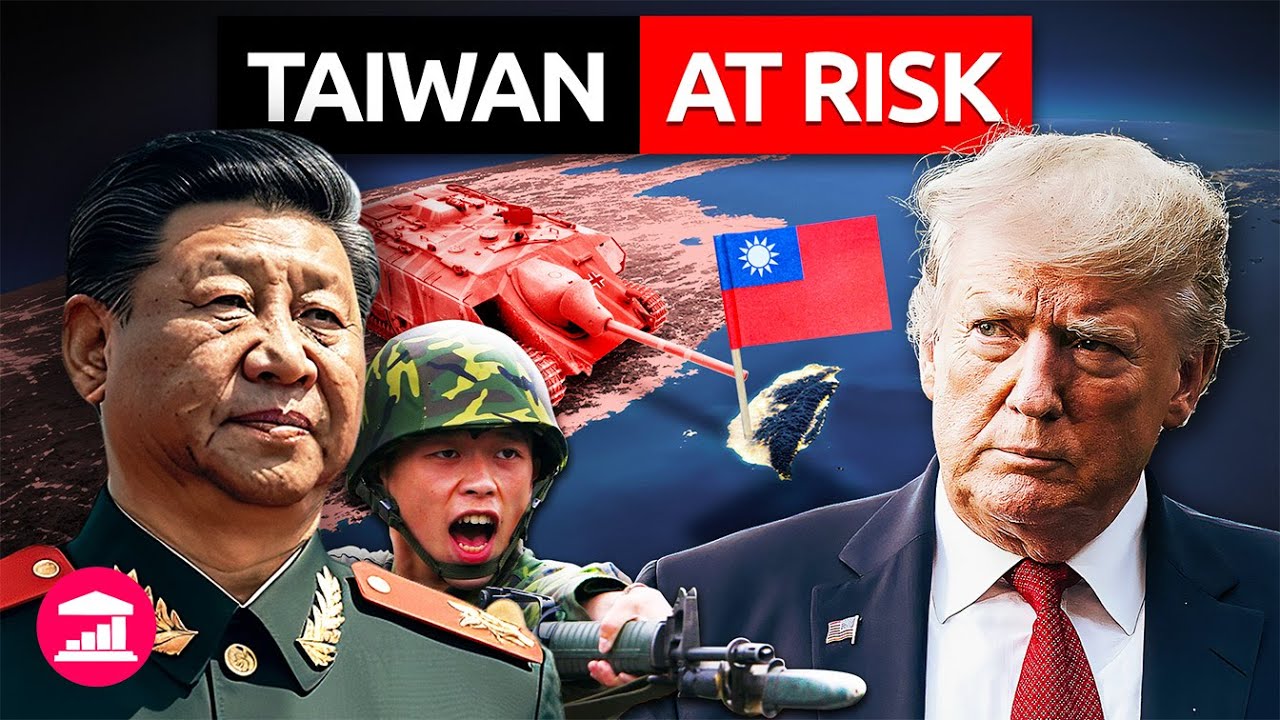
China, Trump, and the power of war?

Who wins and who loses in Syria?
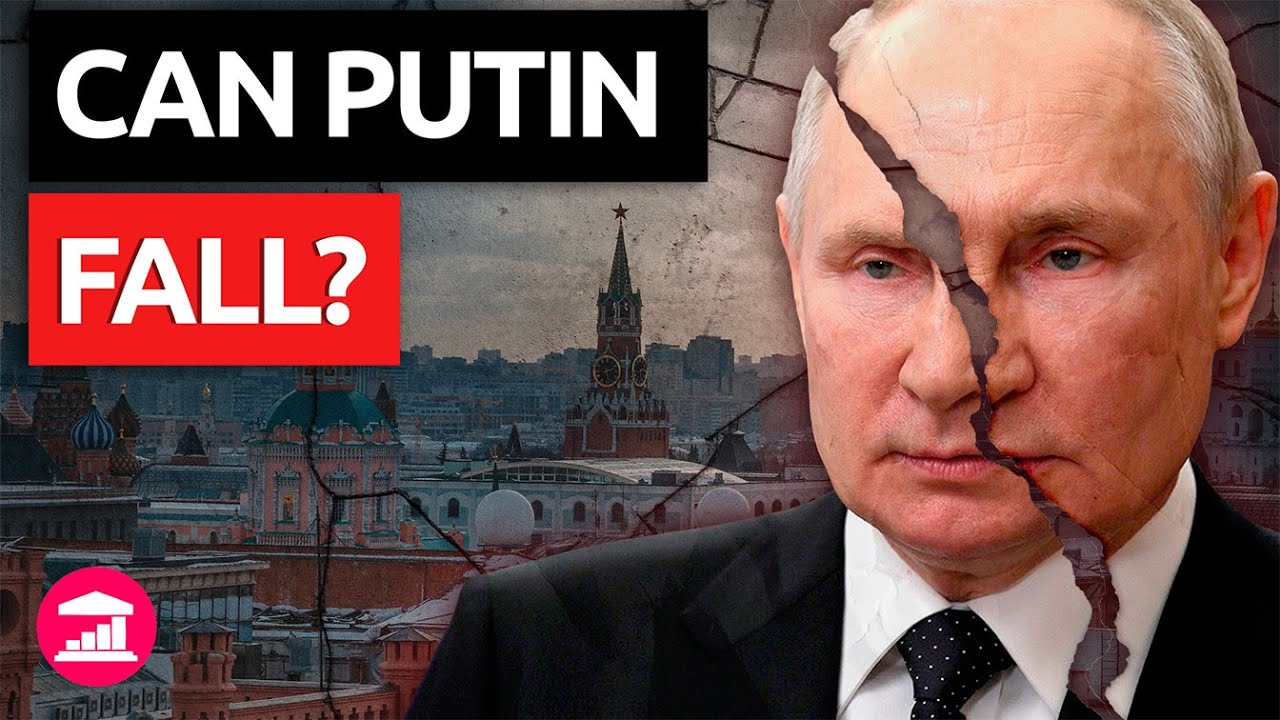
Russia: Is Putin's time nearly up?

Alice Weidel: AfD Chancellor Candidate 2025

Hungary: China's CATL battery factory

Meta's announcements and digital services?
Donald J. Trump: America is back