-
 Drones hit Moscow as Russians go to the polls
-
Myanmar win first Asian Games teqball gold as Spain great Puyol watches

-
 New England boss Fleming says 'wrong' to ask Stokes to end retirement
-
China's 13-year-old Yu scorches to first major gold at Asian Games

-
 Germans vote in elections threatening fresh blow to Merz
-
Russians vote on last day of parliamentary elections

-
 US fears rapid escalation in Mideast after Houthis attack Riyadh
-
Hong Kong pays final respects to former city leader Tung

-
 Japan triathlete Hojo wins first gold of Asian Games
-
Typhoon put people off Asian Games opening ceremony, official says

-
 IOC president impressed by 'beautiful' Asian Games wooden huts
-
China's 13-year-old Yu cruises as Asian Games swimming begins

-
 First Asian Games gold goes to Japan as China's 13-year-old Yu lights up pool
-
AI 'warning shots' focus Beijing on national security risks

-
 Data centre command hub keeps AI up and running
-
Philippine tribe in limbo over US-led tech hub

-
 Pope Leo in France: the issues on the table
-
Leo XIV, first US pope transcends his restrained style

-
 Packing for a pope: behind the scenes on foreign trips
-
Singer Ed Sheeran says Gaza situation 'unjustifiable' following controversy

-
 Republicans find transgender issues a powerful political weapon in midterm campaigning
-
In 'Tenzing', a Sherpa mountaineer gets his due

-
 German state elections threaten new shock waves for Merz
-
Ed Sheeran set to return to stage after Palestinian controversy

-
 Chile's Bachelet quits race to be next UN chief
-
Toulouse edge Vannes, Lyon beat Pau to take Top 14 summit

-
 Raphinha treble fires perfect Barca to win at Sevilla
-
Germans arrested for Louvre stunt in Mona Lisa hall

-
 Thiam makes winning heptathlon return at Decastar meet
-
Saudi-led coalition says Houthis fired ballistic missile at Riyadh

-
 Czechs beat USA to qualify for Davis Cup finals
-
France's debt climbs to highest since 1978: ministry

-
 Dortmund sink Stuttgart to climb to Bundesliga summit
-
McIlroy two shots off the lead at Wentworth after eagle on 18

-
 Trump says will not tolerate attempts to slow AI growth
-
Martinez brace saves Inter in Serie A top-two clash with Roma

-
 'It has to stop': runners protest women's murders in S.Africa district
-
Rosenior abused but guides Paris FC past old club Strasbourg

-
 Fire erupts near Riyadh airport as Houthis claim strikes
-
Seven-try Lyon beat Pau, climb to Top 14 summit

-
 Cuba works to restore power after another blackout
-
Brighton defeat a 'big lesson' against complacency for Arsenal, says Arteta

-
 England thrash Sri Lanka again to return to top of T20 rankings
-
Thousands protest inaction over climate crisis in Switzerland

-
 Arsenal thrashed by Brighton, sorry Spurs lose again
-
Carapaz out of cycling world championships

-
 South Korea, Austria qualify for Davis Cup finals
-
'Fragile' Tottenham beaten by Aston Villa despite late rally

-
 Seare shocks Ingebrigtsen to win world 5km gold
-
Mourinho hails Real Madrid grit before Atletico derby clash
Cuba's golden Goose dies
On the Malecón, where the sea spray once mingled with the chatter of tourists and the sales patter of street vendors, the silence is now its own weather. A few couples sit watching the waves; fishermen pick at their lines. The classic cars still glint under the sun, but their drivers wait longer for fares, watching empty pavements and scanning for the rare camera-laden passer-by who might pay for a circuit of the city.
Cuba has always marketed itself as an irresistible paradox: an island preserved in time, vivid in colour, heavy with music, history and charm. For years, tourism was not merely an economic sector; it was the country’s great escape hatch — the one dependable way to earn hard currency, to keep people employed, to feed small private ventures, and to cushion the shocks of a system chronically short of cash, fuel and imported goods. It was, in the language of the street, the golden goose.
Now the goose is starving
In the starkest possible symbolism, international airlines were recently told that Cuba would not have aviation fuel to support normal operations, a warning that landed like a thunderclap in the very industry that depends on predictable connectivity. The announcement followed emergency measures that included closing some hotel capacity and moving international tourists to concentrate scarce resources where the state could still guarantee basic services. Those steps were not taken in a vacuum: they arrived against a backdrop of rolling blackouts, fuel queues, water cuts and the visible deterioration of public spaces — all of which have become impossible to disguise from visitors. When a destination cannot keep the lights on, it struggles to keep the planes coming.
A pillar that is cracking
The numbers describe a long slide, not a single bad season. Cuba welcomed roughly 2.2 million international tourists in 2024, a figure far below the island’s pre-pandemic performance and described by officials as falling short of expectations. In January to September 2025, foreign visitor arrivals fell by 20.5%, reaching 1,366,720 tourists, around 350,000 fewer than the year before. By January to November 2025, total arrivals were reported at about 1.6 million — dramatically lower than the 4.8 million visitors recorded in 2018 and the 4.2 million in 2019.
Tourism is not just a statistic in Cuba. It is livelihoods. Street vendors and informal traders depend on footfall; drivers depend on fares; small restaurants, guesthouses and guides depend on a steady rhythm of arrivals. When visitors vanish, the entire ecosystem collapses into survival mode. The result is a cruel feedback loop: lower tourist numbers squeeze incomes, which accelerates emigration, which hollows out the labour force, which weakens service quality, which deters further visitors.
For almost two decades, tourism also provided a vital stream of hard currency — at times estimated at up to $3 billion a year. In a country where imported fuel, spare parts, food staples and medicines compete for scarce foreign exchange, that revenue was more than a “nice to have”. It was structural.
The island that cannot promise basics
Tourists can forgive many things. They can tolerate a slow queue, an old lift, even a little chaos — sometimes that is precisely what they came to experience. What they cannot tolerate is systemic uncertainty: the sense that tomorrow’s basics are not guaranteed.
Cuba’s tourism product is increasingly defined by what it cannot reliably provide. Electricity is the most obvious. Blackouts have become routine, and visitors now arrive with an expectation that the power will fail at some point — in restaurants, in rented apartments, sometimes even in hotels. That changes behaviour immediately. Tourists spend less time outside, avoid certain areas after dark, and become reluctant to plan. Businesses that depend on electricity — refrigeration, air-conditioning, electronic payments, internet access — struggle to operate normally. Hotels can run generators, but fuel scarcity turns that into a gamble rather than a solution.
Water is not far behind. Water cuts do more than inconvenience: they undermine hygiene, discourage dining out, and make accommodation reviews brutal. Add rubbish accumulation in prominent areas and the perception of urban decay, and Cuba’s aesthetic promise — the very thing it sells — begins to crumble in the eyes of those who once considered the island an easy, romantic choice.
Then there is the fuel crisis itself, now overtaking every other constraint. Fuel shortages do not merely darken homes; they immobilise transport, disrupt supply chains, restrict the movement of staff and goods, and fracture the logistical spine of tourism. When fuel scarcity reaches the point that aviation operations are threatened, it does not just deter tourists; it alarms airlines, tour operators and insurance calculations. Connectivity is trust, and trust is the oxygen of travel.
Sanctions, shockwaves and the price of isolation
Cuba’s predicament cannot be explained without the external pressure that constrains its access to finance and trade. Measures imposed by the United States over many years have complicated banking channels, discouraged suppliers, and added significant friction to travel. The island has struggled to attract investment, to import what it needs for refurbishment and maintenance, and to offer the seamless payments experience that modern travellers take for granted.
A decisive moment came years ago when cruise travel — a mass channel of visitors — was curtailed by US policy, sending a chill through the tourism economy and signalling to the wider market that Cuba could again become a politically risky destination at short notice. Since then, additional rounds of restrictions and financial pressure have continued to shape the environment in which Cuba tries to sell itself.
More recently, the tourism collapse has been sharpened by energy geopolitics. Cuba has long depended on external partners for oil and refined products. When shipments from key partners falter — whether from their own crises, from economic limits, or from fear of punitive measures — Cuba’s domestic fragility becomes acute. Scarce fuel is not simply an inconvenience; it is a national choke-point.
The compounded effect is visible in behaviour on the ground. In places once crowded with visitors — seawalls, promenade cafés, tourist buses — workers watch the horizon for customers who do not appear. Drivers slash prices. Vendors carry fewer goods, knowing there is no point making stock that will not sell. Some shift their energy from tourists to the long lines of Cubans seeking visas — a social cue that speaks volumes about what locals think the future holds.
When the state becomes the problem
External pressure matters. But it does not explain everything. Cuba has also been undermining its own tourism engine through policy choices that prioritise control and grand projects over lived reality.
Tourism succeeds when it feels effortless: when there is reliable transport, predictable services, and a private sector able to innovate, respond and fill gaps. Yet Cuba’s tourism model remains heavily centralised, with a dominant state role in planning, investment and revenue capture. That structure can build large resort complexes and manage mass tourism, but it struggles to adapt quickly when the quality of the experience becomes the differentiator — and when the basics of supply, maintenance and staffing require flexible, local solutions.
In recent years, Cuba has continued to push a hotel-building agenda even as demand has softened and even as the broader infrastructure — the electricity grid, water systems, roads, waste management — has visibly frayed. Tourists do not travel for a new lobby if the street outside is dark, the tap is dry and the meal is unreliable. A destination’s “hardware” cannot compensate for the collapse of its “software”.
Meanwhile, small private enterprises — the very businesses that once improved the tourism experience with better food, cleaner rooms and more responsive service — operate under volatile rules and a punishing economic context. Inflation, shortages, and shifting regulations make it harder for them to guarantee quality. The result is an island that feels less hospitable not because its people have changed, but because the system around them is failing.
Tourists notice that contradiction quickly: a warm welcome delivered inside a crumbling machine.
A golden goose with clipped wings
Cuba’s tourism sector is not merely shrinking; it is being reshaped into something narrower and more brittle.
Where tourists once spilled into neighbourhood businesses, spending money in thousands of informal and semi-formal ways, the state now increasingly tries to channel visitors into controllable spaces — large hotels, selected shops, managed transport. That is understandable in a crisis: when fuel is scarce, it is easier to ration it to a few facilities than to keep an entire urban tourism web running. But the tactic also drains the spontaneity and texture that made Cuba distinctive.
Cuba’s allure has never been only beaches and sunshine; the Caribbean offers plenty of that. Cuba’s brand has been authenticity: street music, conversation, architecture, lived history. If tourism is reduced to a tightly managed, energy-rationed, hotel-bound experience, Cuba becomes easier to replace. Tourists can find an all-inclusive package elsewhere — often with better service, better reliability and fewer uncertainties.
That is the core tragedy of the “golden goose” metaphor. The goose is not simply the existence of tourists; it is the ecosystem that tourism sustains — jobs, small enterprises, imported goods, maintenance budgets, local optimism, and even the possibility of gradual reform through contact and commerce. When the state treats tourism primarily as a hard-currency extraction mechanism while failing to reinvest in the foundational systems that make the experience viable, it is not protecting the goose. It is consuming it.
What comes next
Cuba’s leadership has signalled contingency planning: energy-saving measures, consolidation of tourist installations, and efforts to preserve the high season. Those measures may prevent a complete collapse, but they will not, on their own, restore confidence.
Tourism recovery depends on a few unglamorous truths:
- Reliable power and fuel matter more than new hotel rooms. Without them, even the best marketing is irrelevant.
- Basic urban services — water, waste management, public safety — determine whether travellers return and recommend the destination.
- Payments and connectivity must work. In a cashless world, friction becomes deterrence.
- A thriving private sector improves quality faster than central planning can manage, especially in food, hospitality and local experiences.
- Predictability — in rules, in transport, in supplies — is what convinces airlines and tour operators to commit.
For Cuba, each of those truths collides with political realities. Reprioritising spending away from prestige projects towards maintenance is an admission of past errors. Giving greater operational space to private enterprise reduces the state’s direct grip on the tourist economy. Improving payments and connectivity often requires navigating international financial restrictions and rebuilding credibility.
Yet the alternative is visible already: a tourism sector that no longer acts as a stabiliser, but as a mirror of collapse. The golden goose is not dead in the biological sense. Cuba still has what tourists want: beaches, music, history, warmth, beauty. But economically, the goose is already mortally wounded — by blackouts, by fuel scarcity, by decaying services, by disrupted connectivity, and by the strategic choice to prioritise control and construction over the basics that keep a destination alive.
Cuba did not lose its golden goose in one dramatic moment. It has been killing it slowly — not with a knife, but with neglect.

Spain defies NATO's 5% goal

Europe’s arms money maze

Iran lifts Dollar, sinks Euro
Hormuz Shock Risk rising
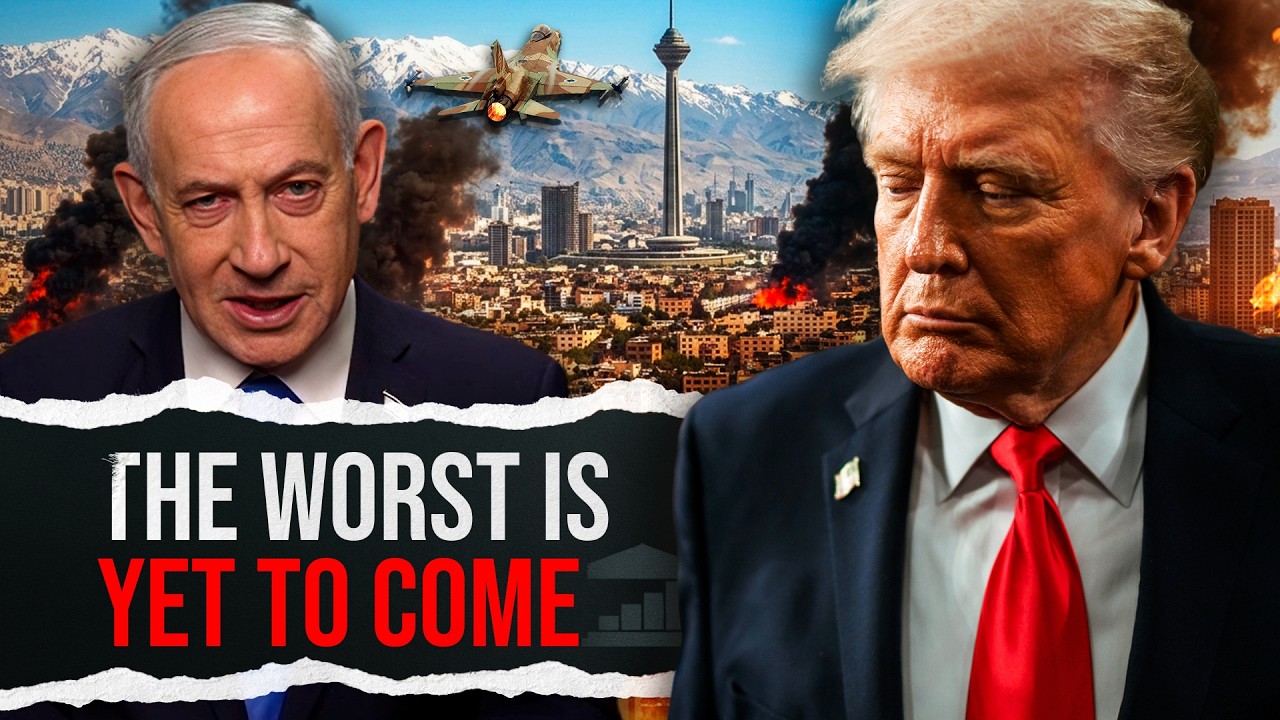
Iran's revenge rewired
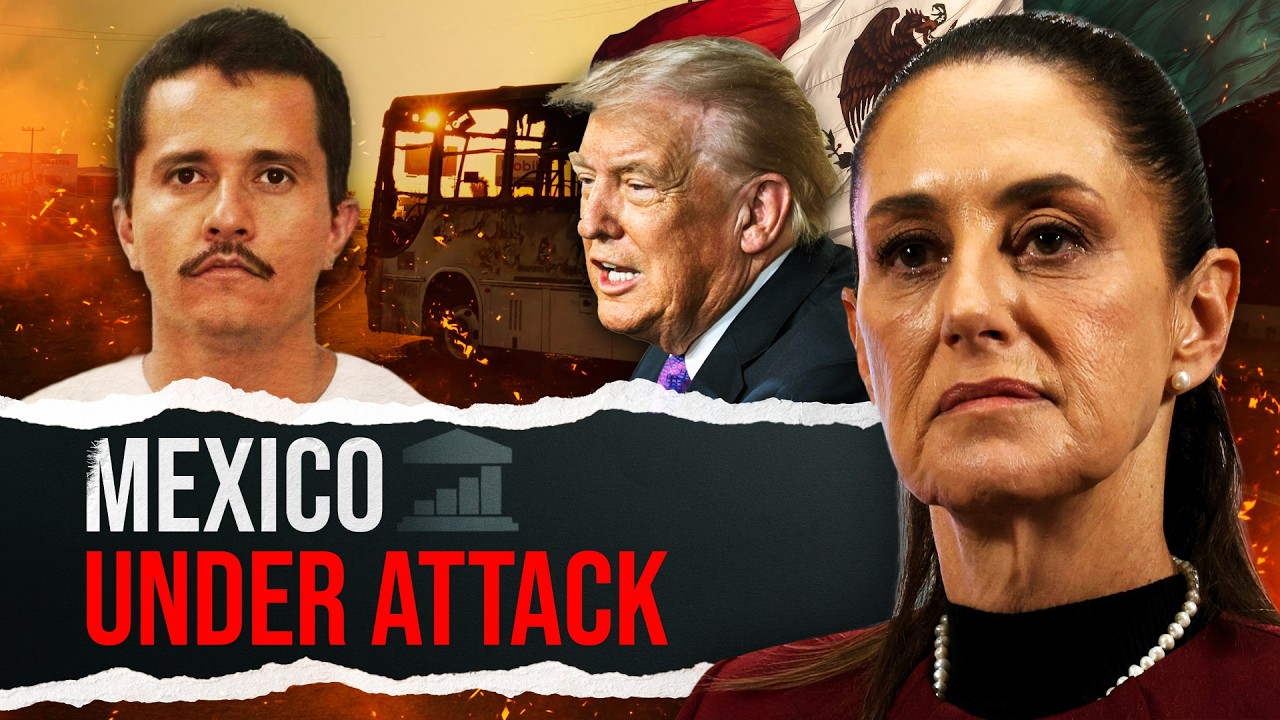
Mexico after El Mencho falls

New York’s lost Luster
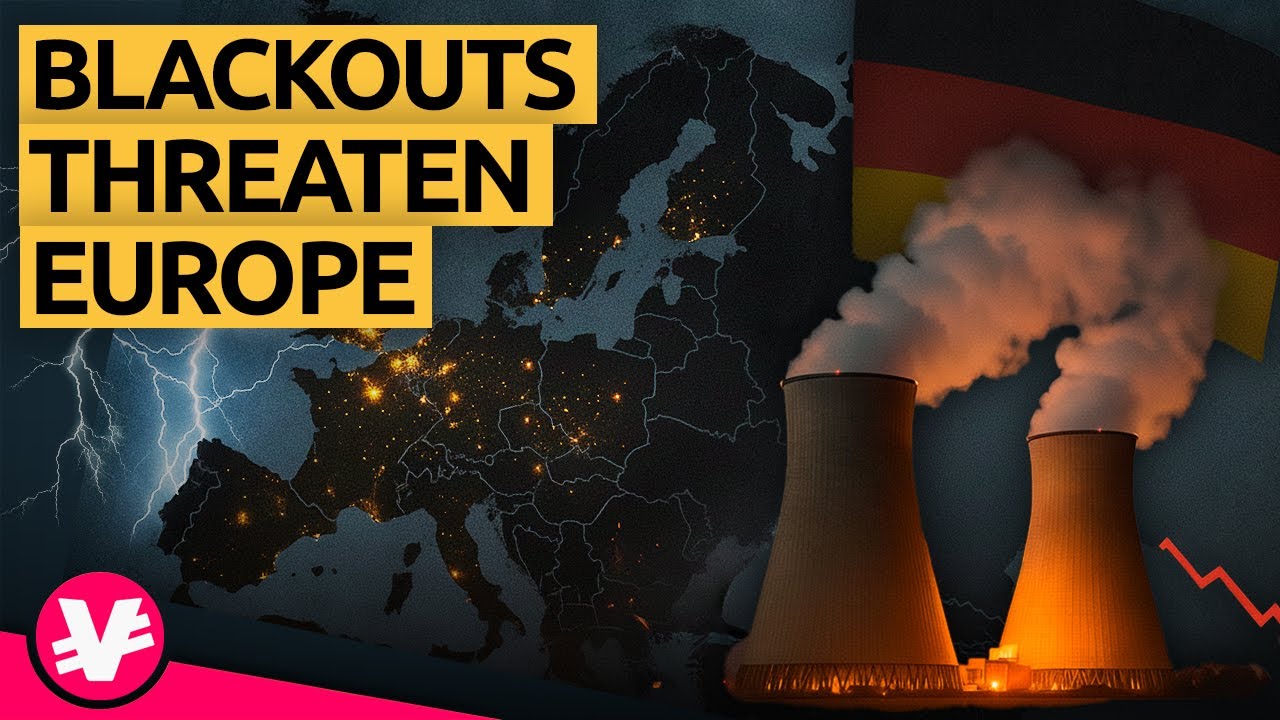
Europe’s power shock
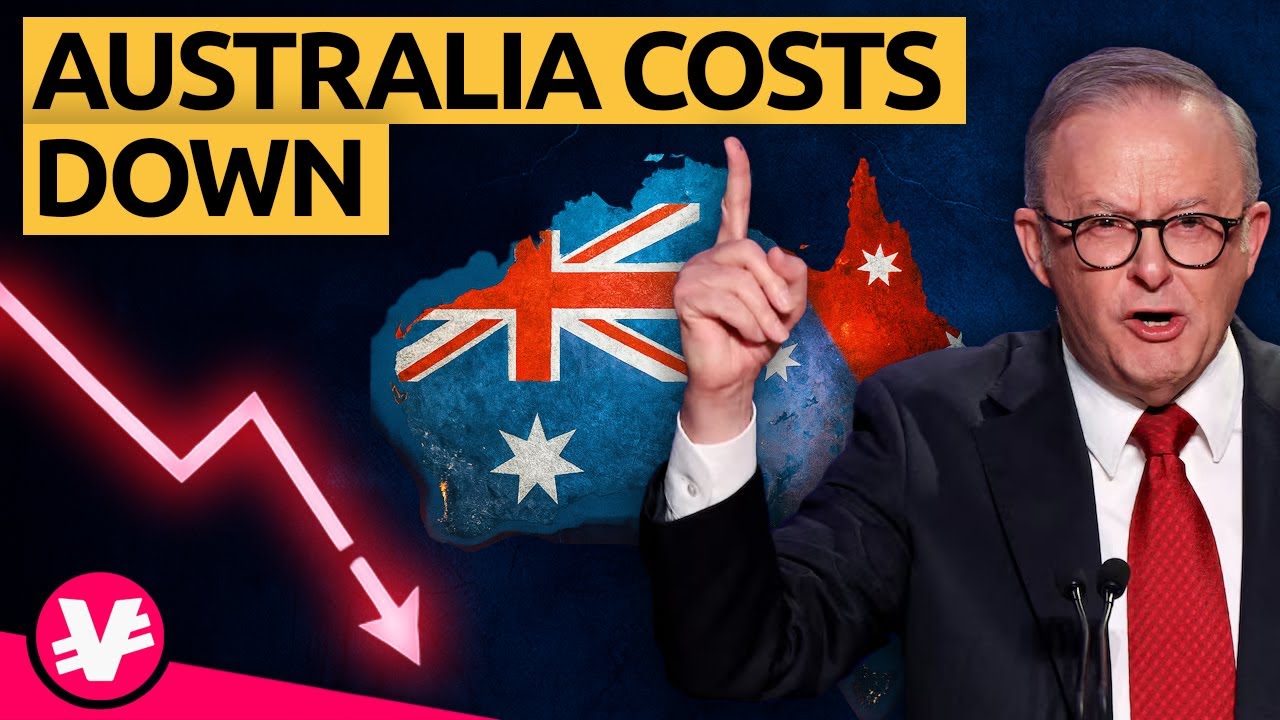
Australian economy Crisis

Israel’s Haredi Challenge
A new vision for Japan