-
 Germans vote in elections threatening fresh blow to Merz
-
Russians vote on last day of parliamentary elections

-
 US fears rapid escalation in Mideast after Houthis attack Riyadh
-
Hong Kong pays final respects to former city leader Tung

-
 Japan triathlete Hojo wins first gold of Asian Games
-
Typhoon put people off Asian Games opening ceremony, official says

-
 IOC president impressed by 'beautiful' Asian Games wooden huts
-
China's 13-year-old Yu cruises as Asian Games swimming begins

-
 First Asian Games gold goes to Japan as China's 13-year-old Yu lights up pool
-
AI 'warning shots' focus Beijing on national security risks

-
 Data centre command hub keeps AI up and running
-
Philippine tribe in limbo over US-led tech hub

-
 Pope Leo in France: the issues on the table
-
Leo XIV, first US pope transcends his restrained style

-
 Packing for a pope: behind the scenes on foreign trips
-
Singer Ed Sheeran says Gaza situation 'unjustifiable' following controversy

-
 Republicans find transgender issues a powerful political weapon in midterm campaigning
-
In 'Tenzing', a Sherpa mountaineer gets his due

-
 German state elections threaten new shock waves for Merz
-
Ed Sheeran set to return to stage after Palestinian controversy

-
 Chile's Bachelet quits race to be next UN chief
-
Toulouse edge Vannes, Lyon beat Pau to take Top 14 summit

-
 Raphinha treble fires perfect Barca to win at Sevilla
-
Germans arrested for Louvre stunt in Mona Lisa hall

-
 Thiam makes winning heptathlon return at Decastar meet
-
Saudi-led coalition says Houthis fired ballistic missile at Riyadh

-
 Czechs beat USA to qualify for Davis Cup finals
-
France's debt climbs to highest since 1978: ministry

-
 Dortmund sink Stuttgart to climb to Bundesliga summit
-
McIlroy two shots off the lead at Wentworth after eagle on 18

-
 Trump says will not tolerate attempts to slow AI growth
-
Martinez brace saves Inter in Serie A top-two clash with Roma

-
 'It has to stop': runners protest women's murders in S.Africa district
-
Rosenior abused but guides Paris FC past old club Strasbourg

-
 Fire erupts near Riyadh airport as Houthis claim strikes
-
Seven-try Lyon beat Pau, climb to Top 14 summit

-
 Cuba works to restore power after another blackout
-
Brighton defeat a 'big lesson' against complacency for Arsenal, says Arteta

-
 England thrash Sri Lanka again to return to top of T20 rankings
-
Thousands protest inaction over climate crisis in Switzerland

-
 Arsenal thrashed by Brighton, sorry Spurs lose again
-
Carapaz out of cycling world championships
-
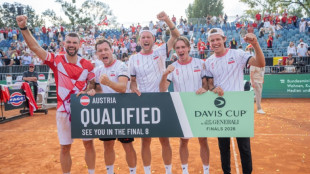 South Korea, Austria qualify for Davis Cup finals
-
'Fragile' Tottenham beaten by Aston Villa despite late rally
-
 Seare shocks Ingebrigtsen to win world 5km gold
-
Mourinho hails Real Madrid grit before Atletico derby clash
-
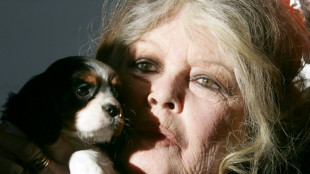 Brigitte Bardot widower slams sale of star's belongings
-
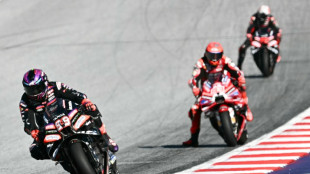
Martin wins Austrian MotoGP sprint after Acosta crash
-
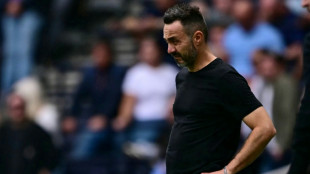 Aston Villa compound Tottenham's misery despite late rally
-
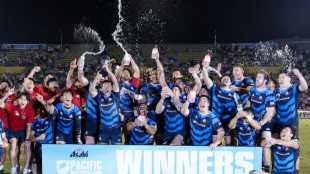
Japan edge Fiji to win Pacific Nations Cup
Cuban regime nears collapse
The communist regime founded by Fidel Castro and later inherited by his brother Raúl Castro is facing its worst legitimacy crisis in decades. The government of President Miguel Díaz‑Canel, who succeeded the Castro brothers, is under intense pressure from economic collapse, widening black‑outs and international isolation. For the first time since the 1959 revolution, senior Cuban officials have been drawn into secret talks that many interpret as negotiations for a managed surrender.
Fuel shortages and humanitarian collapse
In recent months, the United States has tightened its embargo on Cuba by interdicting shipments of Venezuelan crude oil, the island’s main fuel source. The action has crippled Cuba’s ageing power grid. In mid‑March, the national electrical system collapsed, leaving more than ten million people without power and forcing rationing and rolling blackouts. Without diesel for generators or petrol for transport, food prices have spiked and buses have stopped running. Even Cuba’s allies have sounded the alarm. UN Secretary‑General António Guterres warned that continued disruption of oil supplies could lead to a humanitarian “collapse” on the island. Mexico promised emergency shipments, but fears of U.S. tariffs have limited how much oil can actually be delivered. The United Nations reports that fuel shortages have forced hospitals to prioritise surgeries and that chronic medication shortages are reaching crisis levels.
Secret talks and political manoeuvring
Against this backdrop of scarcity, multiple sources report that the Díaz‑Canel government has quietly opened channels to Washington. In a press conference on 13 March 2026, Díaz‑Canel acknowledged for the first time that “processes of this nature require discretion” and said dialogue was taking place, though he refused to provide details. According to investigative reports, advisers to the U.S. Secretary of State have held informal meetings with Raúl Castro’s grandson, Raúl Guillermo Rodríguez Castro (“Raulito”). The United States is reportedly pressing for Díaz‑Canel’s removal but wants to avoid a chaotic collapse. Cuba has responded with gestures meant to curry favour: it recently freed 51 political prisoners, announced it will allow Cuban‑Americans to invest in businesses on the island and has lifted restrictions preventing foreign residents from owning private enterprises.
Yet Cuban authorities publicly deny that leadership succession is part of the negotiations. Deputy Foreign Minister Carlos Fernández de Cossio told reporters that Cuba’s political system is not up for negotiation. He characterised the U.S. pressure campaign as a “take Cuba” strategy and insisted that the country’s sovereignty will not be traded away. Such statements have not quelled speculation. Analysts believe that if Díaz‑Canel resigns in exchange for relief from sanctions and guarantees for the Castro family’s safety, power could pass to younger technocrats or a transitional council.
Public anger and calls for change
On the streets, patience is running out. Long queues for bread and sporadic electricity have eroded whatever legitimacy the revolutionary government still possesses. Many Cubans complain that after more than sixty years, the revolutionary rhetoric has produced little beyond a hereditary elite—a common criticism voiced by citizens and diaspora commentators. They argue that the Castro family, despite claiming to have built an egalitarian society, has effectively become a dynastic monarchy. Commenters on social media observe that while the government blames external enemies, ordinary people bear the brunt of shortages and crumbling infrastructure. Some express hope that the island could soon open to the world and that Cubans abroad will be able to return and rebuild a free country.
These sentiments find echo in protests. Over the past year, small but persistent demonstrations have erupted in Havana, Santiago and smaller towns, with slogans calling for “Libertad” and demanding an end to power cuts. Security forces have arrested dozens, but cracks are showing. Reports suggest that even within the ruling party there is discontent over the handling of the crisis. Younger officials complain that the leadership is out of touch and that the revolution has degenerated into bureaucratic stagnation. Rumours that a negotiated transition could avert a violent upheaval have gained currency.
A fragile transition
Whether the Castro regime will agree to surrender power peacefully remains uncertain. The humanitarian situation is dire, and regional actors such as Mexico and the United Nations are pushing for a resolution to prevent mass migration or state collapse. The United States insists that any easing of sanctions will be contingent on political liberalisation and free elections. Sources close to the talks claim that the parties are discussing a timetable for constitutional reforms, the integration of opposition figures and guarantees for members of the security services, but no agreement has been finalised. For now, Cuba teeters on the precipice between reform and breakdown. The coming months will test whether the revolutionary regime founded by Fidel Castro can orchestrate a controlled handover or whether the island’s deepening crises will force a more chaotic denouement.

Brussels, my Love? EU-Market "sexy" for voters?

The great Cause: Biden-Harris 2024
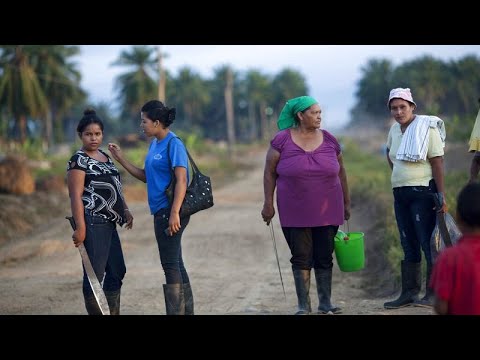
UN: Tackling gender inequality crucial to climate crisis

Scientists: "Mini organs" from human stem cells
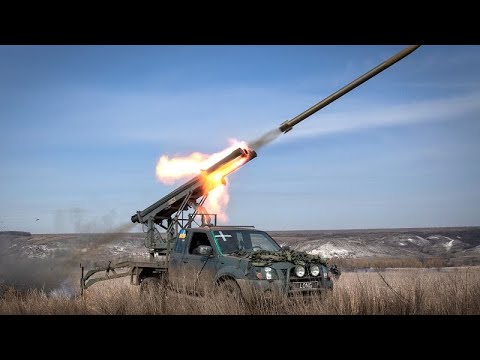
ICC demands arrest of Russian officers
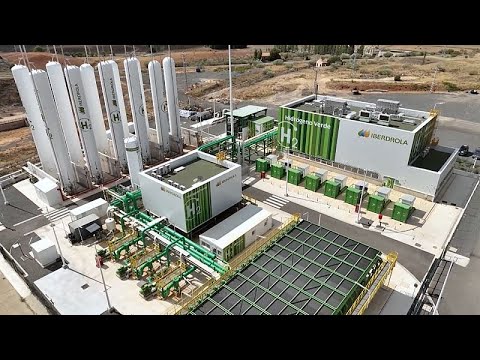
Europe and its "big" goals for clean hydrogen
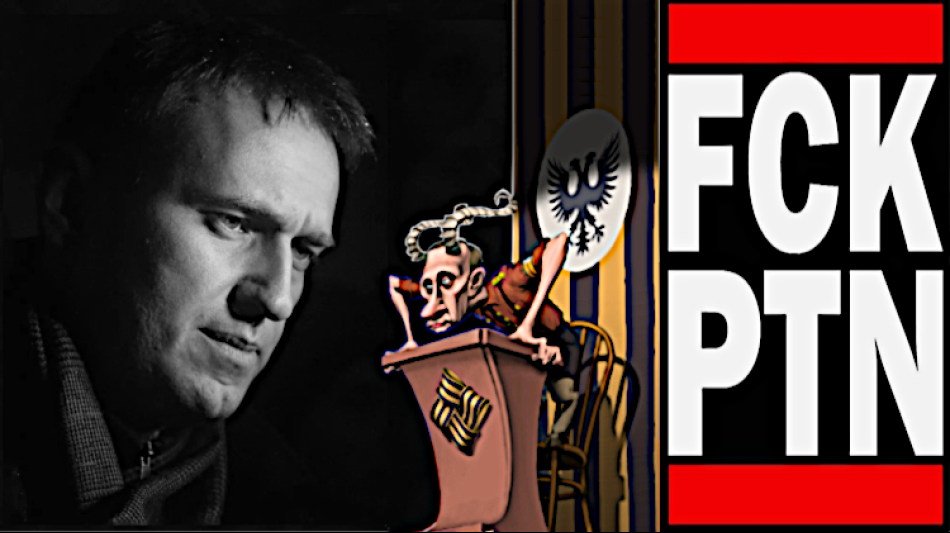
Putin and the murder of Alexei Navalny (47†)

Measles: UK authorities call for vaccinate children
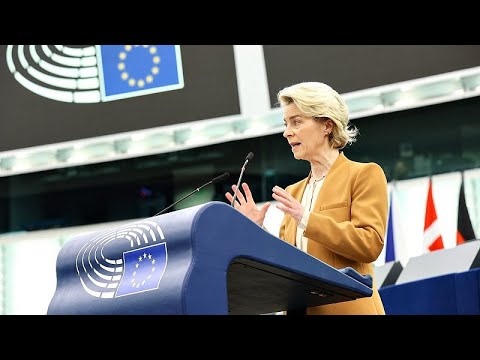
EU: Von der Leyen withdraws controversial pesticide law
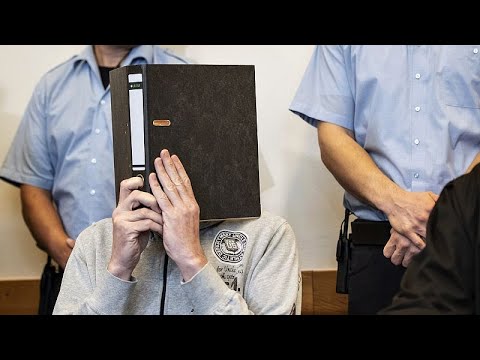
EU: Prison for "paedophilia manuals" and child abuse forgeries
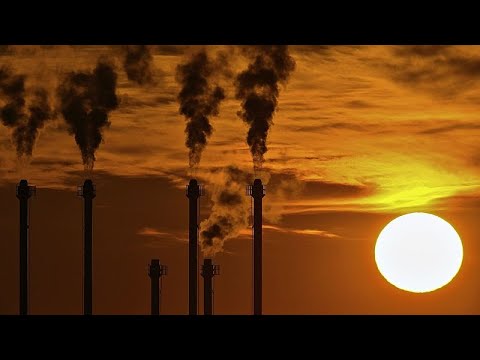
EU: 90% cut of all greenhouse gas emissions by 2040?