-
 Germans vote in elections threatening fresh blow to Merz
-
Russians vote on last day of parliamentary elections

-
 US fears rapid escalation in Mideast after Houthis attack Riyadh
-
Hong Kong pays final respects to former city leader Tung

-
 Japan triathlete Hojo wins first gold of Asian Games
-
Typhoon put people off Asian Games opening ceremony, official says

-
 IOC president impressed by 'beautiful' Asian Games wooden huts
-
China's 13-year-old Yu cruises as Asian Games swimming begins

-
 First Asian Games gold goes to Japan as China's 13-year-old Yu lights up pool
-
AI 'warning shots' focus Beijing on national security risks

-
 Data centre command hub keeps AI up and running
-
Philippine tribe in limbo over US-led tech hub

-
 Pope Leo in France: the issues on the table
-
Leo XIV, first US pope transcends his restrained style

-
 Packing for a pope: behind the scenes on foreign trips
-
Singer Ed Sheeran says Gaza situation 'unjustifiable' following controversy

-
 Republicans find transgender issues a powerful political weapon in midterm campaigning
-
In 'Tenzing', a Sherpa mountaineer gets his due

-
 German state elections threaten new shock waves for Merz
-
Ed Sheeran set to return to stage after Palestinian controversy

-
 Chile's Bachelet quits race to be next UN chief
-
Toulouse edge Vannes, Lyon beat Pau to take Top 14 summit

-
 Raphinha treble fires perfect Barca to win at Sevilla
-
Germans arrested for Louvre stunt in Mona Lisa hall

-
 Thiam makes winning heptathlon return at Decastar meet
-
Saudi-led coalition says Houthis fired ballistic missile at Riyadh

-
 Czechs beat USA to qualify for Davis Cup finals
-
France's debt climbs to highest since 1978: ministry

-
 Dortmund sink Stuttgart to climb to Bundesliga summit
-
McIlroy two shots off the lead at Wentworth after eagle on 18

-
 Trump says will not tolerate attempts to slow AI growth
-
Martinez brace saves Inter in Serie A top-two clash with Roma

-
 'It has to stop': runners protest women's murders in S.Africa district
-
Rosenior abused but guides Paris FC past old club Strasbourg

-
 Fire erupts near Riyadh airport as Houthis claim strikes
-
Seven-try Lyon beat Pau, climb to Top 14 summit

-
 Cuba works to restore power after another blackout
-
Brighton defeat a 'big lesson' against complacency for Arsenal, says Arteta

-
 England thrash Sri Lanka again to return to top of T20 rankings
-
Thousands protest inaction over climate crisis in Switzerland

-
 Arsenal thrashed by Brighton, sorry Spurs lose again
-
Carapaz out of cycling world championships

-
 South Korea, Austria qualify for Davis Cup finals
-
'Fragile' Tottenham beaten by Aston Villa despite late rally

-
 Seare shocks Ingebrigtsen to win world 5km gold
-
Mourinho hails Real Madrid grit before Atletico derby clash
-
 Brigitte Bardot widower slams sale of star's belongings
-
Martin wins Austrian MotoGP sprint after Acosta crash

-
 Aston Villa compound Tottenham's misery despite late rally
-
Japan edge Fiji to win Pacific Nations Cup

Iran war fuels terror risks
Terrorism fears, energy markets and geopolitical calculations have become deeply intertwined since the United States and Israel launched their assault on Iran. The assassination of Ayatollah Ali Khamenei and the sustained bombing campaign have unleashed ripple effects far beyond the Middle East. Officials across Europe and Asia warn that the conflict could trigger a wave of transnational terrorism and drive a spike in energy prices that would undermine economic stability.
Across Europe, security services have been tracking a spate of attacks and foiled plots linked to Iranian networks. Recent analyses note that Iran has expanded its collaboration with criminal groups abroad, using them to intimidate dissidents and target journalists, politicians and Jewish communities in Western countries. Investigators in Germany found that a former motorcycle‑gang member was sponsored by Iran to plan an assault on a synagogue in Bochum, while U.S. prosecutors say members of a Russian organised crime network were paid to plot the killing of an Iranian‑American activist. Authorities warn that hiring criminals gives Tehran plausible deniability and allows it to contract violence without sustaining a permanent terrorist infrastructure. Security analysts caution that dissidents and activists who celebrated the Supreme Leader’s demise may become targets for Iran’s violence‑for‑hire networks, especially in countries that support the U.S. campaign. They also point out that Iranian agents embedded in embassies and other institutions could be activated to sabotage military bases or diplomatic facilities if the regime feels cornered.
The immediate threat is not purely hypothetical. Since the war began on 28 February, at least eight incidents across Western and Eastern Europe have been linked to suspected Iranian sleeper cells. A network in Baku was dismantled after plotting to bomb the Israeli embassy, a synagogue and an oil pipeline; British police arrested four suspected operatives in London; improvised explosive devices detonated outside the U.S. embassy in Oslo and Jewish institutions in Liège, Rotterdam and Amsterdam; and a financial building in Amsterdam was bombed. Security services also arrested suspected spies surveilling a British nuclear submarine base. A new militant group calling itself Harakat Ashab al‑Yamin al‑Islamia claimed responsibility for some attacks and threatened more violence. Analysts warn that the group may be a front for Iran’s Revolutionary Guard or a disinformation campaign, but the attacks have already heightened anxiety across the continent. European governments say they have thwarted more than one hundred Iranian‑linked plots since 1979, and the current conflict has revived fears of reactivated sleeper cells.
Beyond orchestrated networks, experts worry about individuals seeking revenge. The martyrdom narrative surrounding Khamenei’s death could motivate lone offenders who view violence as a sacred duty. U.S. investigators are treating the 1 March mass shooting at an Austin, Texas bar—where the perpetrator wore a hoodie emblazoned with an Iranian flag—as a terrorist attack potentially linked to the war. Similar shootings in Ontario and an attempted attack on a Michigan synagogue are under investigation for possible Iranian inspiration. National security officials caution that such events may be the tip of the spear and that other radicalised individuals could strike in Europe or North America. European Union intelligence services fear that Iranian militias or allied groups could exploit the chaos to free jihadist prisoners, amplifying the risk of an Islamic State resurgence.
The conflict’s shockwaves are also threatening Europe’s energy security. The Strait of Hormuz, through which about one‑fifth of global oil and liquefied natural gas once transited, is effectively closed by Iranian attacks on tankers and infrastructure. European energy officials warn that kerosene shipments from Middle Eastern refineries will cease by early April and that regional stockpiles may be insufficient to prevent spot shortages and soaring prices. Natural‑gas prices in Europe have jumped more than seventy per cent since the war began as traders fear extended disruption. Analysts note that Europe depends on the Middle East for about fifteen per cent of its jet fuel and has not fully refilled depleted gas storage after cutting Russian pipeline supplies. They caution that Asia’s large economies—China, Japan, South Korea and Taiwan—could outbid Europe for scarce liquefied natural gas cargoes, driving prices even higher.
Public frustration over Europe’s vulnerability is mounting. Commentary on social media reflects a perception that European leaders undermined their own security by shutting down nuclear reactors, blocking gas projects and relying on imports. Users lament the high cost of electricity and heating, argue that environmental policies left Europe unprepared for a supply shock and demand greater energy self‑sufficiency. Some accuse left‑wing governments of sacrificing economic resilience to ideological goals; others fear that Gulf producers could further restrict shipments and force rationing. These grievances, while anecdotal, illustrate how the war has become a lightning rod for broader discontent about energy policy.
Similar tensions are developing in Asia. Southeast Asian governments have adopted a neutral stance toward the conflict, but analysts warn that Iran’s retaliatory measures could activate dormant networks across the region. With the world’s largest Muslim population concentrated in Indonesia and significant minorities across Malaysia, Brunei, Myanmar, the Philippines and Thailand, the region is watching for sectarian spillover. Experts note that Iran’s proxy Hezbollah staged operations in Thailand in the 1990s and caution that if the regime feels cornered it could call on sympathisers to mount attacks. Regional leaders worry that rising oil prices and travel risks will undermine tourism and that hundreds of thousands of migrant workers in the Middle East could be displaced, cutting remittance flows and dampening growth. The same sources emphasise that the war’s economic fallout complicates tariff negotiations with Washington and forces governments to balance diplomatic relations with domestic stability.
Diplomats in Hanoi, Kuala Lumpur and Singapore are also recalibrating energy and trade strategies. Some neutral countries with high growth ambitions fear that prolonged instability will push inflation higher and disrupt supply chains. Thailand has formed a “war room” to manage the crisis after a commercial ship flying its flag was attacked by Iranian forces, while Vietnam and Indonesia are reconsidering trade pacts linked to U.S. policy. These debates underscore how the Iran conflict is reshaping economic planning across Asia.
The broader geopolitical stakes are immense. Analysts warn that Iran’s collaboration with organised crime, the activation of sleeper cells, potential lone‑wolf attacks and the prospect of state‑led sabotage blur the line between war and terrorism. At the same time, the closure of strategic waterways has sparked fears of a prolonged energy crisis that could slow growth and stoke political unrest. Public dissatisfaction with energy policy and security concerns is intensifying across Europe and Asia. Unless the conflict de‑escalates and governments bolster counter‑terrorism cooperation and diversify energy supplies, the war in Iran could trigger a major crisis on two continents.
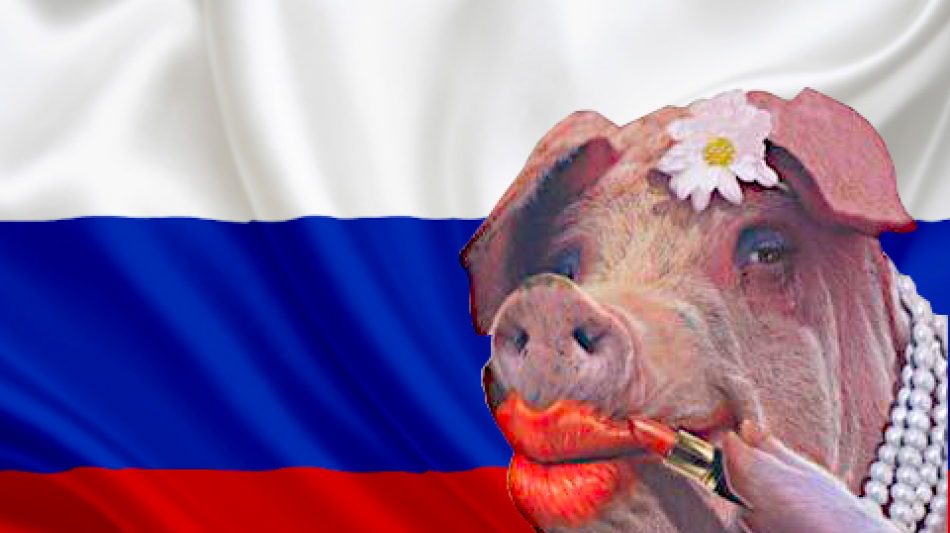
Perverted Russian gets a bashing as flag thief

Россия: Кто придет после преступника Путина?
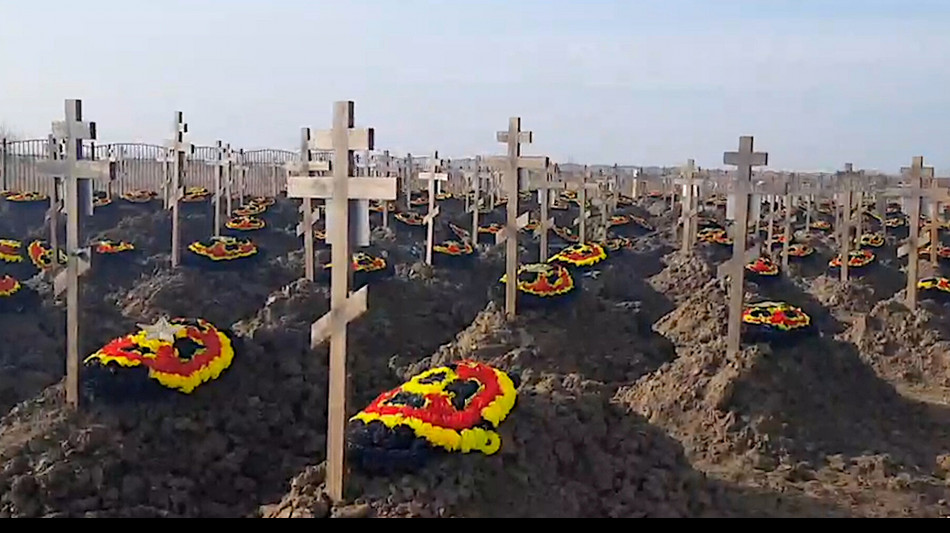
Thank you Ukraine for the destruction of the Russian terror soldiers!
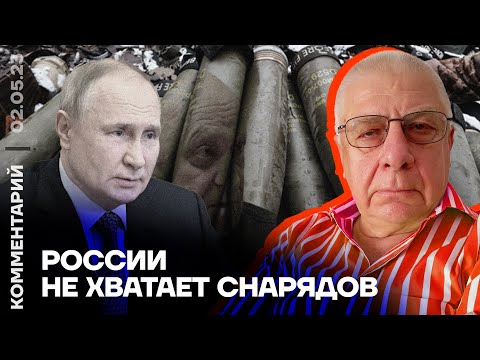
У российского террористического государства мало боеприпасов
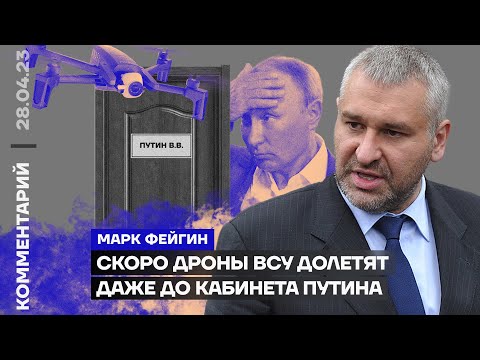
Скоро дроны ВСУ долетят даже до кабинета Путина!
Ukraine: This is how Russian terror soldiers end up!

Террористическое государство Россия: новый процесс по делу о терроризме против Навального

Россия: государство террора!
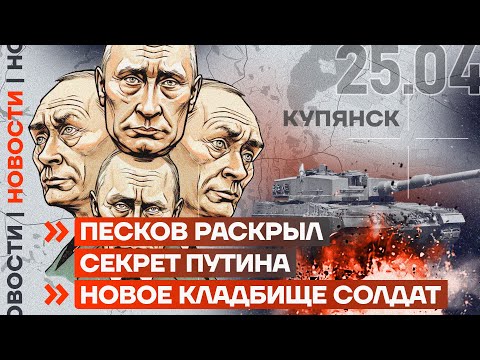
Россия: Тайна диктатора Путина

Россия: Путин - свинья мира или радости пропаганды убийств
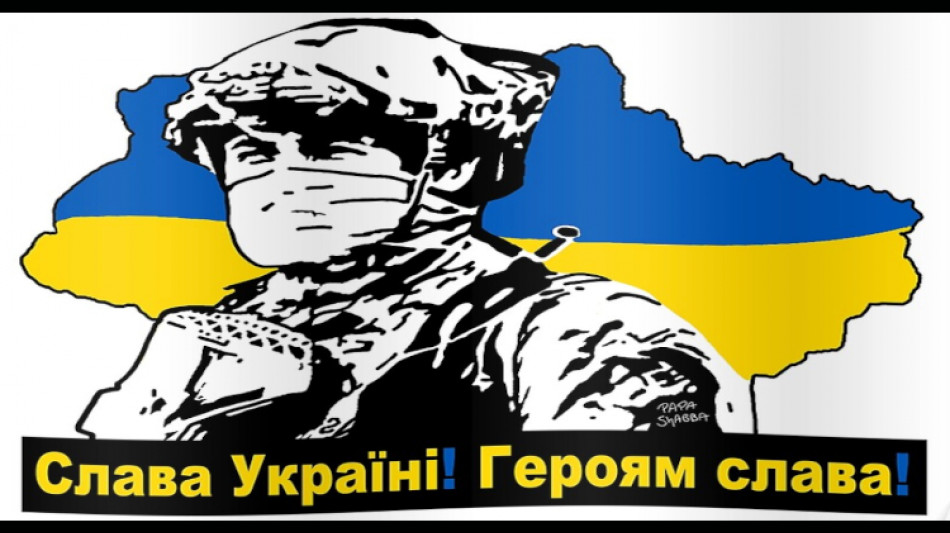
Ukrainian army destroys Russian terror scum!