-
 Sweet As app launches restaurant discovery platform
-
Two more arrested in Carrie Mullane suspected murder investigation

-
 MLA seeks inquiry into reported sectarian gestures on Ormeau Road
-
Mayo school appeals for information after convent and chapel vandalism

-
 Louise O’Reilly attacks Simon Harris over unemployment remarks
-
GLP-1 Users Show Higher Rates of Nail Detachment in New Studies

-
 Virginia overwhelms Arkansas 91-72 behind balanced scoring
-
Canadian soldier Aidan Goulding remembered at Vancouver funeral

-
 Second major storm brings destructive winds and outages to British Columbia
-
Tayyab Arif hits 57 on Pakistan Test debut against Sri Lanka

-
 Godzilla Minus Zero leads North American box office with $31.6m
-
Robert Trujillo discusses literacy and social justice children’s books

-
 Advocate calls for coordinated support for children facing trafficking
-
Civil rights advocate William Bill Tucker dies aged 98

-
 Dianna Russini Details 'Nightmare' Scandal Aftermath, Announces New Media Venture
-
Medicare Open Enrollment Ends Dec. 7: Review Your Coverage Options

-
 Pennsylvania Democrats secure state trifecta in midterm elections
-
US Treasury order targets bank transfers linked to crypto exchange MEXC

-
 Godzilla Minus Zero sets foreign-language box-office opening record
-
Eagles record six sacks as rushing attack struggles against Giants

-
 Villeneuve teases James Bond casting at Los Angeles museum gala
-
Thames Water seeks to delay £12bn in debt repayments

-
 Nottinghamshire launches specialist rural crime policing team
-
Newark boxing gym expands alternative education programme

-
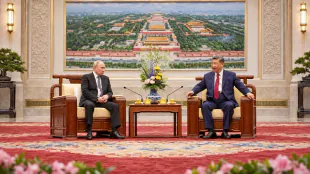 China confirms talks over possible Xi-Putin-Trump summit
-
Democrats consider impeachment drive against Defence Secretary Hegseth

-
 Rail journey offers a slower route to a Berlin city break
-
Energy bill plan could use HMRC income data to target support

-
 Arsenal control title race as Manchester United fall into bottom three
-
Business owner earning £6,000 a month tackles £70,000 debt

-
 Suspected Krakow gunman dies after attack that killed six
-
Nvidia chief faces inquiry after disclosing affair with suspected Chinese agent

-
 Carrick backs Dalot after hostile reception from Manchester United fans
-
Comet returns as online electrical marketplace 14 years after collapse

-
 Belgian PM Bart De Wever Given New Deadline to Resolve €10 Billion Budget Deadlock
-
KUFOS Signs MoU With Old Dominion University to Expand Academic Ties

-
 $1.8 Billion Pledged for Biodiversity at COP17 as Monaco Reaffirms Commitment
-
Karen Wazen Launches First Standalone Boutiques in Cairo

-
 Phoenix Symphony Resumes Performances Amid Financial Uncertainty
-
Opti Digital Launches NEXA, an AI-Powered Intelligence Layer

The Roman Empire and its downfall?
The fall of the Roman Empire has fascinated historians, political analysts, and history enthusiasts for centuries. Once an unparalleled power that stretched across much of Europe, North Africa, and the Middle East, Rome eventually succumbed to a complicated web of internal weaknesses and external pressures. But what factors most decisively contributed to its downfall?
Overextension and Resource Strain
One prominent reason for the Empire’s decline lies in its vast territorial expanse. As the Empire expanded, maintaining military and administrative control over far-flung provinces became an immense challenge. Garrisoning remote frontiers and sustaining essential infrastructure, such as roads and aqueducts, placed enormous financial and logistical burdens on the imperial administration. Over time, these obligations led to heightened taxation and social unrest, eroding the Empire’s stability from within.
Political Instability and Weak Leadership
Another fundamental weakness was Rome’s inability to establish a consistent and resilient political structure. Frequent coups, civil wars, and assassinations destabilised the imperial government. Short-lived emperors were often more focused on consolidating power and eliminating rivals than enacting long-term reforms. This lack of continuity in governance engendered bureaucratic inefficiency and thwarted coherent policymaking, leaving Rome ill-prepared to address growing internal and external threats.
Economic Decline and Hyperinflation
Economic disruptions also played a pivotal role. As wars grew costlier, silver coinage was devalued repeatedly, leading to rampant inflation. Confidence in the currency eroded, triggering a cycle of price increases and diminishing trade. Many farmers abandoned their land, amplifying rural depopulation and further undermining agricultural productivity. Trade routes, once the arteries of Roman commerce, became perilous, stifling economic growth and rendering the state increasingly vulnerable.
The Rise of External Threats
Simultaneously, external forces took advantage of Rome’s weakening grip. Germanic tribes and other barbarian groups pressed against the Empire’s borders, sensing the growing fragility of Roman power. Although Rome had once managed to integrate or repel these incursions, mounting economic strain and military overextension hindered an effective response. Over time, repeated invasions culminated in the sacking of Rome by the Visigoths in 410 CE and the eventual deposition of the last Western Roman Emperor in 476 CE.
Social and Cultural Transformation
Lastly, shifting social and cultural dynamics played a role. Traditional Roman values of civic duty and loyalty to the state gradually gave way to localised loyalties and a reliance on mercenary forces. The rise of Christianity, while not the sole cause of the Empire’s decline, reoriented cultural and political power away from older Roman institutions and towards the Church, reducing the emperors’ influence and the old civic order’s authority.
Conclusion No single event or factor can wholly explain the collapse of the Roman Empire. Rather, it was the convergence of overextension, economic instability, political turmoil, and shifting social foundations that led to Rome’s ultimate disintegration. While debates on the precise causes continue, most historians agree that the empire’s downfall underscores the fragile balance between power, governance, and societal cohesion—an enduring lesson for any ambitious political system.
Iran war fuels terror risks

AI's 18-month Job disruption
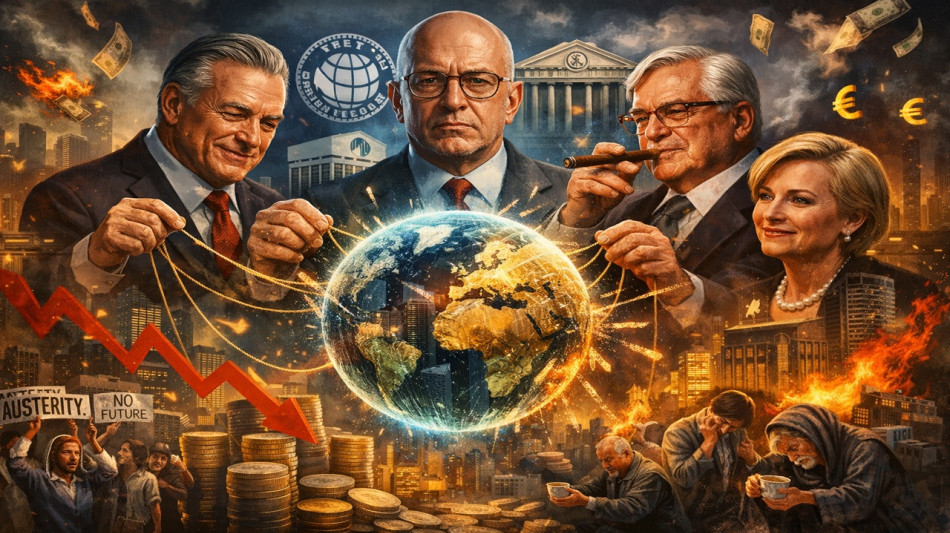
Global finance in few hands

Scandic Coin, (SNC) and Trust

Brussels misreads Magyar
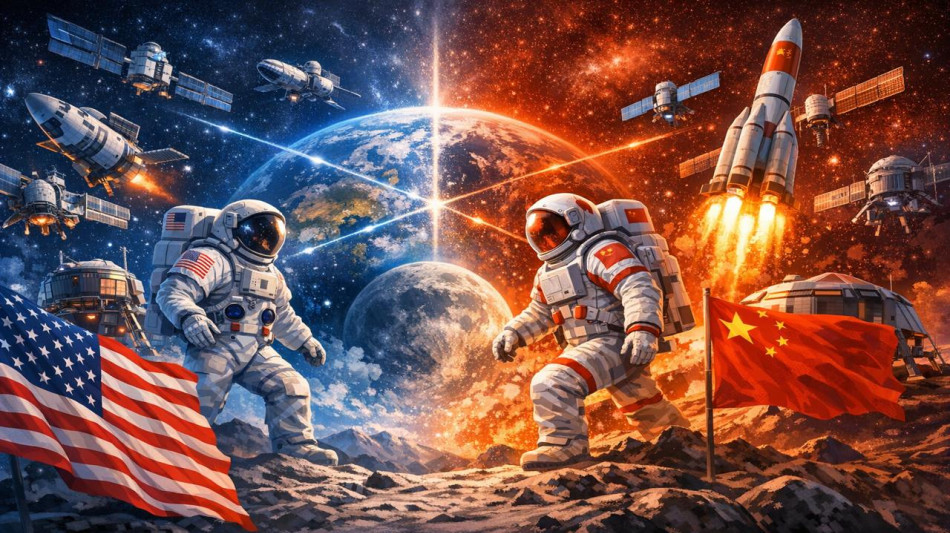
US China race hits 2027

Red sea gambit with Eritrea
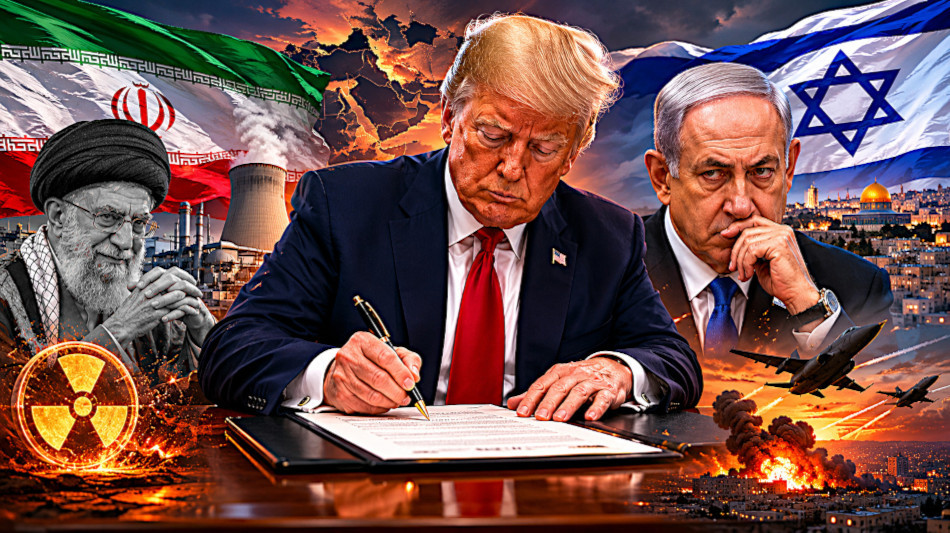
Israel riled by US-Iran pact
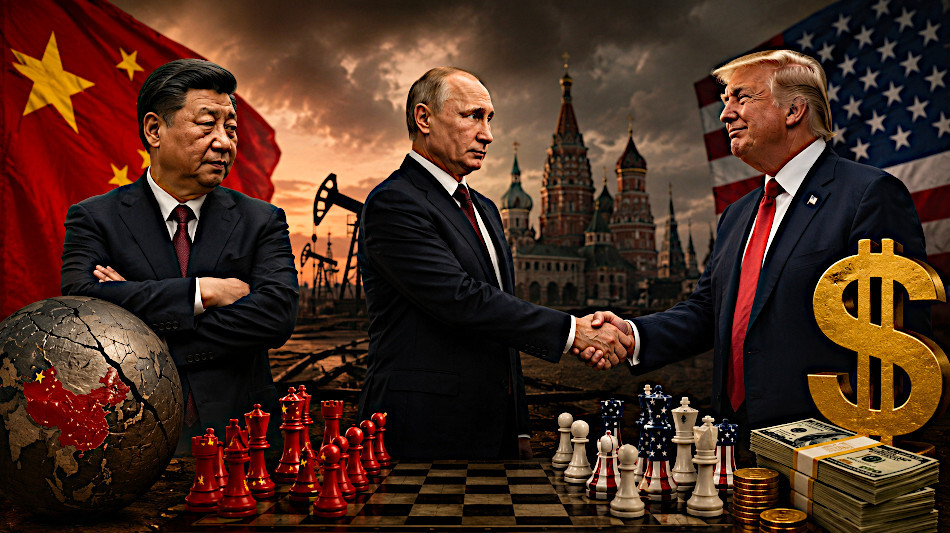
Russia’s dollar pivot

Fentanyl trade unravels

AI and the Future of Wealth