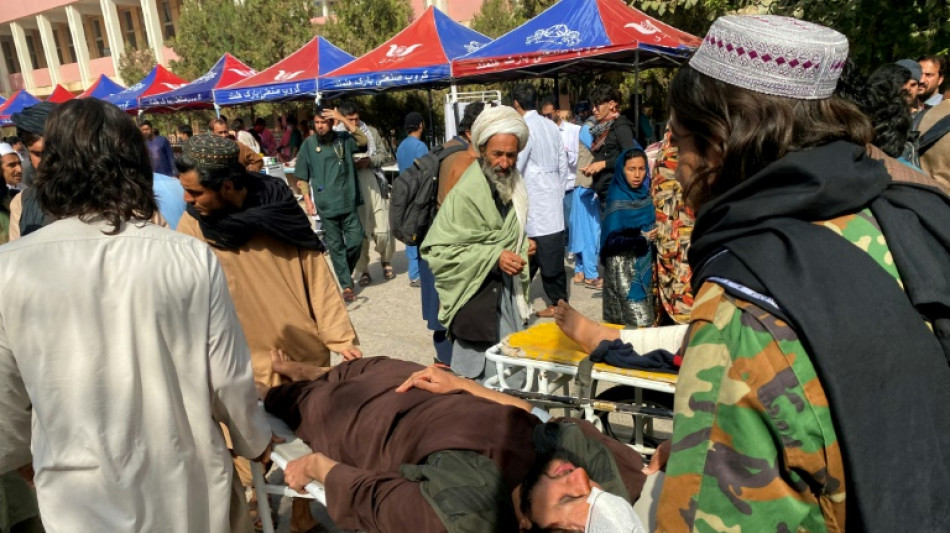
Afghans flee western region after fresh earthquake kills two / Photo: - - AFP

 Williams boss hails Chadwick as F1 inspiration for women

 World No.1 Sinner delays return with China Open withdrawal

 South Lebanon children return to school destroyed by Israel strike

 Jewish group urges Berlin far-left vote winners to tackle antisemitism

 European stock markets climb as oil prices drop

 Trump accuser E. Jean Carroll finally has her damages

 Germany's Havertz, Musiala ruled out of Greece match with injury

 Ireland's Gaza stance spills from Eurovision into football

 Welcome aboard the Costa Serena, the Asian Games floating hotel

 Asian markets mixed after recent oil surge
 Cash for nature protection: hotelier's offer to Principe islanders
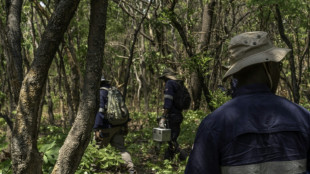 US miner KoBold bets on AI to gain edge in DR Congo mineral hunt

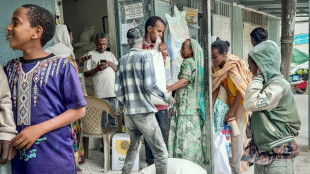 Internet disrupted in Ethiopia as conflict rages

 Asian markets mixed after oil gains

 'Genius' Ohashi bids for third Asian Games gold after world record

 India's 'Tree Father' plants for a greener future
 Hopping mad: New health warning stirs up Belgian brewers

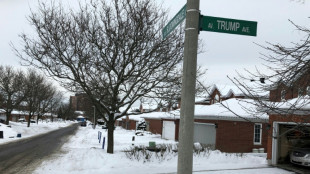 Canadian capital to rename 'Trump Ave'

 Pope heads to France on first state visit in 18 years

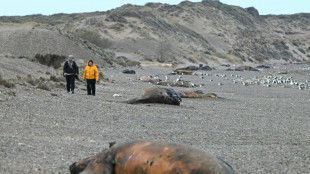 Bacteria suspected in deaths of hundreds of baby whales off Argentina

 Scheffler and Burns give US 3-2 Presidents Cup lead

 Hollywood stars among 100 arrested in NY anti-Netanyahu protest

 Klopp denied on Germany debut as Portugal win in Nations League

 Rich nations should foot climate bill, says Nepal minister

 Wellalage and Mendis star as Sri Lanka level England series in thriller

A magnitude 6.3 earthquake killed two people in western Afghanistan Sunday, with damaged prisons emptied and residents fleeing a region where tremors have claimed at least 1,000 lives this past week.
Since October 7, a series of potent quakes have jolted Herat province, levelling whole villages, burying families and leaving thousands homeless as winter approaches.
Residents in the provincial capital Herat city had just begun returning to their homes, after days of sleeping outside fearing aftershocks, when the latest earthquake hit around 8:00 am (0330 GMT) on Sunday.
Doctors Without Borders (MSF) said two new fatalities and 154 injuries were registered at Herat Regional Hospital, where patients were being ferried on stretchers and treated outside under gazebos.
"The situation is very critical," MSF's Afghanistan Programme Head Yahya Kalilah told AFP. "In terms of psychology, people are panicked and traumatised."
"People are not feeling safe. I will assure you 100 per cent, no one will sleep in their house."
The latest quake's epicentre was 33 kilometres (20 miles) northwest of Herat city and was followed by aftershocks of magnitudes 5.4, 4.2, 4.3 and 4.4, the US Geological Survey said.
Officials said more than 528 prisoners had been released from Herat province and neighbouring Badghis province because jails "were in danger of collapsing" from quake damage.
The Prisons Administration Authority said those freed included inmates who had served large portions of their sentences and showed signs of reform.
- Fleeing the area -
Herat city resident Haris Aryan said he sent his family south to Farah province to escape the trauma of the quakes.
"Many people, anyone with relatives or accommodation in neighbouring provinces, all of them have fled," he told AFP. "Those who do not have anywhere to go... they are spending nights in the roads and parks."
National disaster management officials said they were investigating the scale of Sunday's earthquake.
MSF official Kalilah predicted "casualties will be low" because residents in the worst-hit areas were already living outdoors after their homes were destroyed last week.
"It's Allah's blessing that it happened during the day, people were awake," said 27-year-old Herat city shopkeeper Hamid Nizami.
The quake series began on October 7 with a 6.3 tremor and eight powerful aftershocks, which devastated rural villages northwest of Herat city.
The Taliban government said more than 1,000 people were killed, while the World Health Organization (WHO) put the figure at nearly 1,400 late Saturday.
Another tremor of the same intensity killed one person and injured 130 others days after the initial quakes, as volunteers dug desperately for survivors.
Dust storms then whipped up in the area, damaging the tents that survivors were relying on for shelter.
The WHO says nearly 20,000 people have been affected by the string of disasters, with women and children making up most of the fatalities.
- 'We can't live here' -
Thousands of residents are now living around the ruins of homes where entire families were wiped out in an instant. Aftershocks have left them "in a persistent state of anxiety and fear", the WHO said.
Forty-year-old Mohammad Naeem told AFP he lost 12 relatives, including his mother, after last week's quakes.
"We can't live here anymore. You can see, our family got martyred here. How could we live here?"
Earthquakes are frequent in western and central Afghanistan and are mostly caused by the Arabian and Eurasian tectonic plates jutting against each other.
Providing shelter on a large scale will be a challenge for Afghanistan's Taliban authorities, who seized power in August 2021 and have fractious relations with international aid organisations.
"We know they could live there in tents for one month, but more than that would probably be very difficult," said public health minister Qalandar Ebad.
Most homes in rural Afghanistan are made of mud and built around wooden support poles, with little in the way of steel or concrete reinforcement.
Multi-generational extended families generally live under the same roof, meaning serious earthquakes can devastate communities.
Afghanistan is already suffering a dire humanitarian crisis, with the widespread withdrawal of foreign aid following the Taliban government's return to power in 2021.
A.Santos--PC