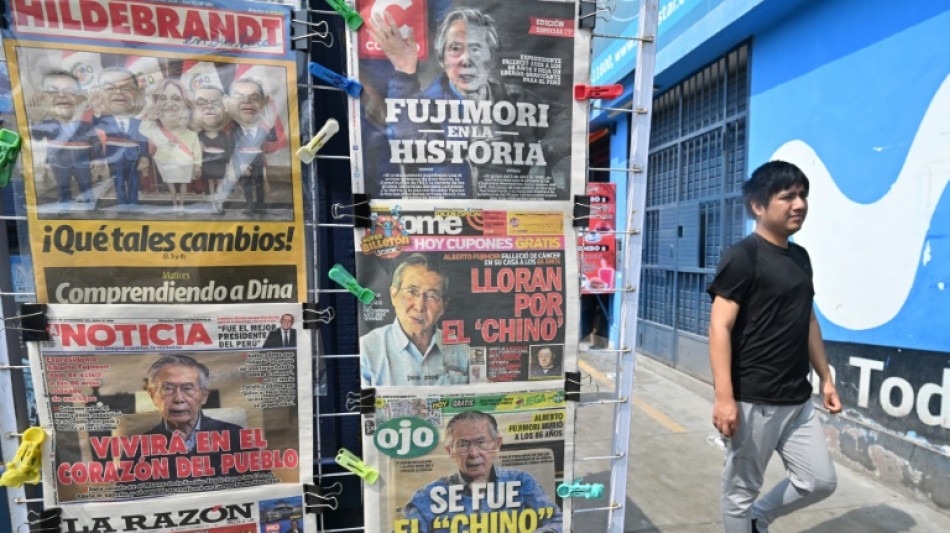
Fujimori 'never asked forgiveness': families of Peru massacre victims / Photo: CRIS BOURONCLE - AFP

 Welcome aboard the Costa Serena, the Asian Games floating hotel
 Asian markets mixed after recent oil surge
 Cash for nature protection: hotelier's offer to Principe islanders
 US miner KoBold bets on AI to gain edge in DR Congo mineral hunt

 Internet disrupted in Ethiopia as conflict rages

 Asian markets mixed after oil gains
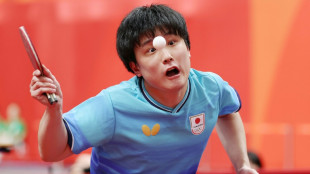
 'Genius' Ohashi bids for third Asian Games gold after world record
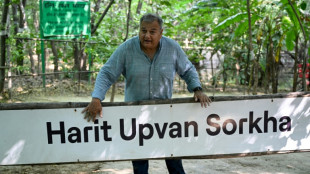 India's 'Tree Father' plants for a greener future
 Hopping mad: New health warning stirs up Belgian brewers
 Canadian capital to rename 'Trump Ave'
 Pope heads to France on first state visit in 18 years
 Bacteria suspected in deaths of hundreds of baby whales off Argentina
 US 'must choose' whether to end war: Iran president to Fox News
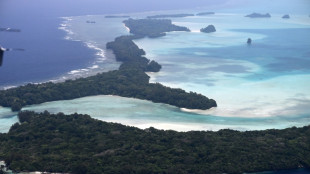 UN approves resolution on dealing with rising sea levels

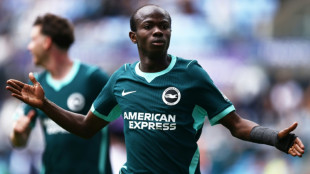 Yalcouye makes dream debut as Ivory Coast beat Ghana in AFCON qualifier
 Chicago's White Sox and Cubs book MLB playoff berths

 Last-gasp Gakpo strike snatches Dutch draw to sour Klopp debut

 Global stocks mostly fall as oil prices and bond yields rise

 Israel's Netanyahu denounces enemies, allies in fiery UN speech
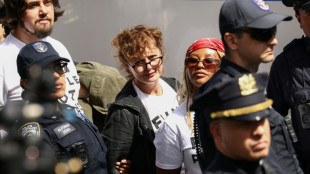
 Hollywood stars among arrests in NY anti-Netanyahu protest

 Losing start in AFCON qualifying for 78-year-old coach Le Roy
 Italy bans burqas in schools, caps numbers of foreign students per class
 Israel policies threaten 'life and existence' of Palestinians, Abbas says

 Paolini steers Italy past China in BJK
 Zidane admits emotion on eve of first game as France coach
As Peru prepares to lay former president Alberto Fujimori to rest on Saturday, the families of civilians killed in his war on left-wing guerrillas are grappling with his death.
"He left without asking for forgiveness from the (victims') relatives. He made a mockery of us," sobbed Gladys Rubina, the sister of one of the victims of two massacres in the 1990s for which Fujimori spent 16 years behind bars.
During Fujimori's 1990-2000 rule, government forces cracked down hard on insurgents, particularly Maoist Shining Path rebels, whose war with the state between 1980 and 2000 left more than 69,000 people dead and 21,000 missing, according to official figures.
Rubina's teenage sister, Nelly, was among 15 people killed by government forces in the Barrios Altos neighborhood of Lima on November 3, 1991.
Six masked soldiers stormed a house party and opened fire on what they mistakenly thought were insurgents.
The same military death squad, known as the Colina Group, executed nine students and a professor at La Cantuta University in the capital the following year.
Both cases were instrumental in the conviction of Fujimori, who spent 16 years in prison before being freed on humanitarian grounds last December.
He died on Wednesday at the age of 86 after a long battle with cancer.
- 'We couldn't go on the street' -
Nonetheless, in a sign of the reverence many Peruvians still hold for Fujimori, thousands of people queued Thursday and Friday to see him lying in state at the Museum of the Nation in Lima.
Many came bearing flowers and photographs of the late president, with some even sporting his features printed on tee-shirts.
Milagros Parra, 54, recalled that Fujimori came to power "at a time when we couldn't even go out on the street" at the height of an insurgency by Maoist Shining Path guerrillas.
"There were bombings, we couldn't go past a police station, we couldn't go past a bank," he said, declaring Fujimori's Peru's "best president."
While there were no street protests this week over the human rights abuses or corruption that marred his rule, Fujimori's legacy was vigorously debated on social media.
Carmen Amaro, sister of one of the 10 victims of an army massacre at Cantuta University in Lima 1992, noted that Fujimori had served only two-thirds of his 25-year sentence.
On July 18, 1992, Colina Group members stormed student dorms in the middle of the night and abducted nine students and a professor, whom they later executed.
Amaro's brother Richard, a 25-year-old student, was burned to death after being shot and buried in a mass grave.
"His (Fujimori's) death does not mean an end to our suffering nor give him absolution," Carmen told AFP.
"He will continue to be the murderer of, and the person chiefly responsible for the disappearance of our relatives."
Gisela Ortiz, whose brother Enrique, was also killed at La Cantuta, lamented that the deceased president "never admitted to his crimes, never asked for forgiveness and never paid reparations".
The right-winger, who won praise from international institutions for his neo-liberal economic policies, claimed he paved the way for Peru to become one of the leading countries of Latin America.
"Let history judge what I got right and what I got wrong," he told AFP in an interview in 2018.
E.Borba--PC