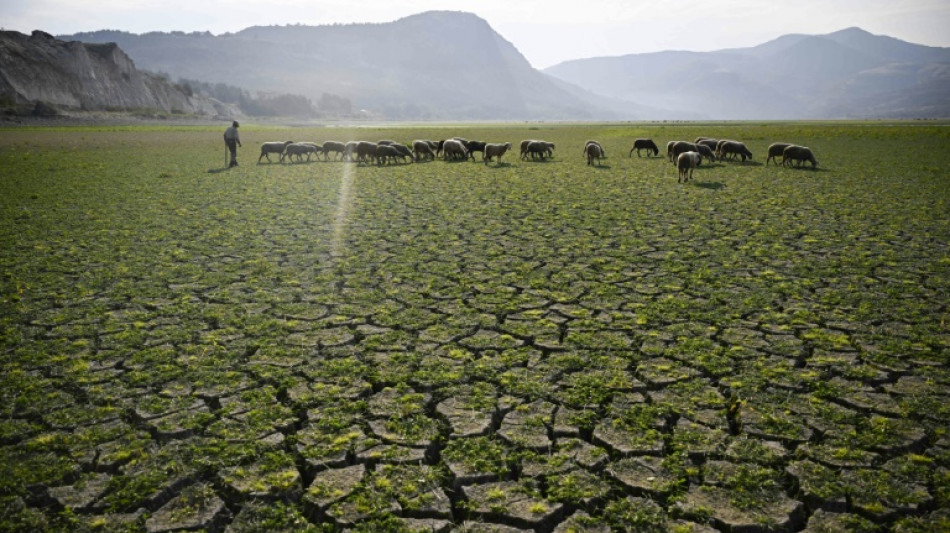
UN warns world's water cycle becoming ever more erratic / Photo: Nikolay DOYCHINOV - AFP

 India's 'Tree Father' plants for a greener future
 Hopping mad: New health warning stirs up Belgian brewers
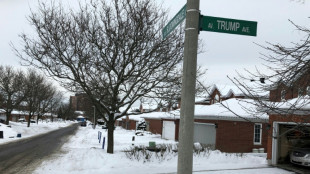 Canadian capital to rename 'Trump Ave'
 Pope heads to France on first state visit in 18 years

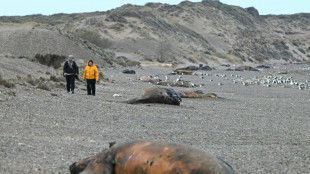 Bacteria suspected in deaths of hundreds of baby whales off Argentina

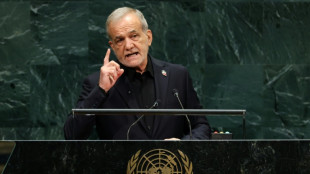 US 'must choose' whether to end war: Iran president to Fox News

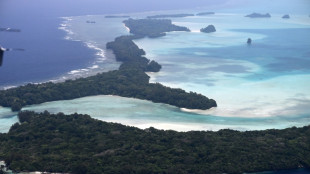 UN approves resolution on dealing with rising sea levels

 Yalcouye makes dream debut as Ivory Coast beat Ghana in AFCON qualifier
 Chicago's White Sox and Cubs book MLB playoff berths

 Last-gasp Gakpo strike snatches Dutch draw to sour Klopp debut

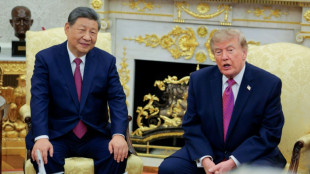 Global stocks mostly fall as oil prices and bond yields rise

 Israel's Netanyahu denounces enemies, allies in fiery UN speech
 Hollywood stars among arrests in NY anti-Netanyahu protest

 Losing start in AFCON qualifying for 78-year-old coach Le Roy
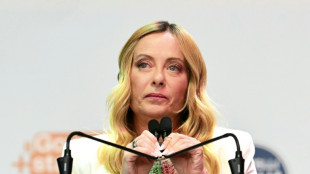 Italy bans burqas in schools, caps numbers of foreign students per class

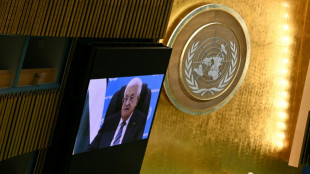 Israel policies threaten 'life and existence' of Palestinians, Abbas says

 Paolini steers Italy past China in BJK
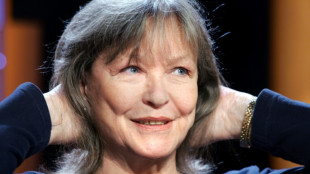
 Zidane admits emotion on eve of first game as France coach

 Breetzke and Maharaj sink Australia in first one-day international

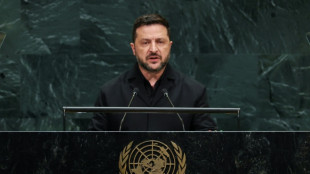 Zelensky broke confidentiality with North Korea POWs disclosure: South's president
 Former Liverpool star Carroll reveals he was sexually assaulted
 Dominican Republic calls for Haiti force to be strengthened
 Dolly Parton's nephew ordered to stay away from estate staff, properties

 Early exit for Philippine darling Eala at Singapore Open

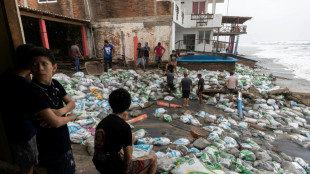 Hurricane Polo triggers huge waves in coastal Mexican city
Increasingly intense floods and droughts are a "distress signal" of what is to come as climate change makes the planet's water cycle ever more unpredictable, the United Nations warned Monday.
Last year the world's rivers were their driest for more than 30 years, glaciers suffered their largest loss of ice mass in half a century and there was also a "significant" number of floods, the UN's World Meteorological Organization said in a report.
"Water is the canary in the coalmine of climate change," WMO Secretary-General Celeste Saulo said in a statement accompanying the State of Global Water Resources report.
"We receive distress signals in the form of increasingly extreme rainfall, floods and droughts which wreak a heavy toll on lives, ecosystems and economies," she said.
Saulo said the heating up of the Earth's atmosphere had made the water cycle "more erratic and unpredictable.
Last year was the hottest on record, with high temperatures and widespread dry conditions producing prolonged droughts.
There were also many floods around the world.
These extreme events were influenced in part by naturally-occurring climate conditions including the La Nina and El Nino weather phenomena -- but also and increasingly by human-induced climate change.
"A warmer atmosphere holds more moisture, which is conducive to heavy rainfall. More rapid evaporation and drying of soils worsen drought conditions," Saulo said.
- Massive glacier melt -
Water is either too abundant or insufficient, plunging many countries into increasingly difficult situations.
Last year, Africa was the most heavily impacted continent in terms of human casualties.
In Libya, two dams collapsed due to a major flood in September 2023, claiming more than 11,000 lives and affecting 22 percent of the population, according to the WMO.
Floods also hit the Greater Horn of Africa, the Democratic Republic of Congo, Rwanda, Mozambique and Malawi.
Currently, 3.6 billion people have insufficient access to fresh water at least once a month per year, according to the UN. That figure is expected to rise to more than five billion by 2050.
For the past three years, more than 50 percent of river catchments have been drier than usual.
Meanwhile the inflow to reservoirs has been below normal in many parts of the world over the past half decade.
Rising temperatures also mean glaciers have melted at unprecedented rates, losing more than 600 billion tonnes of water, the worst in 50 years of observations, according to preliminary data for September 2022 to August 2023.
"Melting ice and glaciers threaten long-term water security for many millions of people. And yet we are not taking the necessary urgent action," Saulo said.
In addition to curbing the man-made greenhouse gas emissions that cause global warming, the WMO wants the world's fresh water resources to be monitored better, so early warning systems can reduce the damage to people and wildlife.
"We cannot manage what we do not measure," Saulo stressed.
Stefan Uhlenbrook, director of the WMO's hydrology, water and cryosphere department, stressed the importance of investing in infrastructure to preserve water and protect people from hazards.
But he also highlighted the need to conserve water, particularly for agriculture, which uses 70 percent of the world's fresh water consumption.
He warned returning to a more regular natural water cycle would be difficult.
"The only thing we can do is to stabilise the climate, which is a generational challenge," he said.
B.Godinho--PC