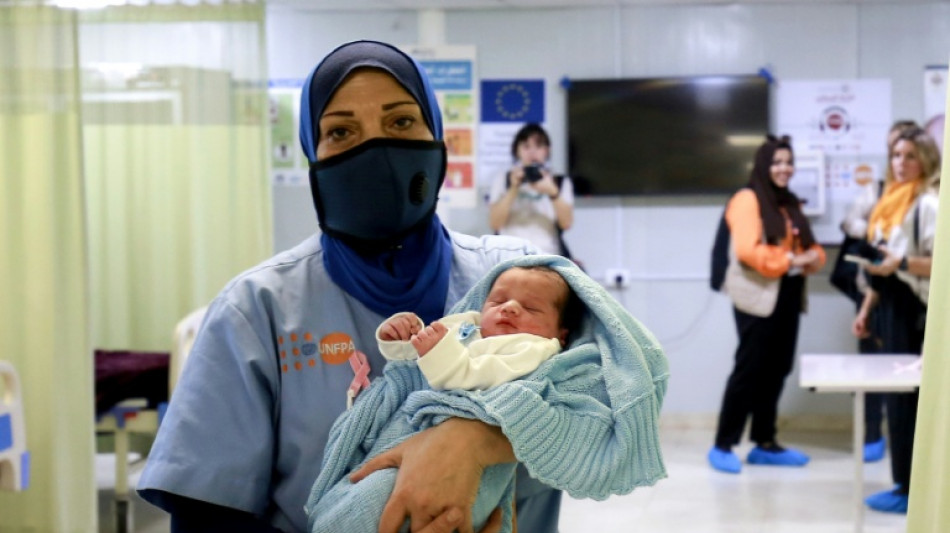
Trump's cuts are 'devastating' for vulnerable women worldwide: UN / Photo: Khalil MAZRAAWI - afp/AFP/File

 Hurricane Polo strengthens to top category 5 off Mexico
 11 hurt as teen opens fire outside school in western Turkey

 UN chief says 'Big Oil' treats atmosphere as open sewer

 Tunisia says 2026 summer hottest on record
 England's Rashid out of Sri Lanka ODIs with hand injury

 Houthis accuse Saudi Arabia of deadly strikes as thousands flee

 Stocks climb as oil slides, AI buzz returns
 India cricketers win in style as Afghan savours 'special' Games silver
 La Liga president hits out at Real Madrid refereeing 'conspiracy' claims

 MEXC Launches “Real Stocks, Real Friends” with Rewards for Bringing Friends to Wall Street

 Mbappe continues media push for Ballon d'Or recognition

 Stocks rise on AI buzz, oil prices cool
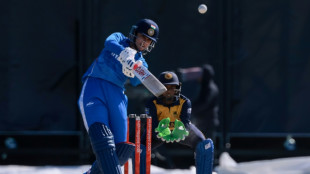
 India narrowly survive huge scare against minnows Japan

 Missing F-35 fighter parts 'not sensitive', says Australia minister
 Cambodia showcases scams crackdown with global conference

 Afghan cyclist who disguised herself as man wins Asian Games silver

 Typhoon Dujuan leaves four dead in Japan, 45,000 houses without power

 G7 leaders condemn Houthi strikes on Saudi Arabia
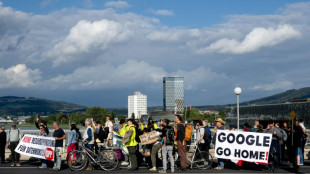 Google data centre sparks protests in Austria

 Shin Ohashi: Junk food-loving teen and Japan's next big swimming hope

 Stocks rise on AI buzz, drop in oil prices
 China's robot dancers limber up for America's Got Talent final

 Despite military might, Saudi struggles to crush the Houthis
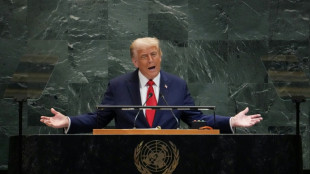 Trump to tout deals, defend Iran war in UN speech
 Sri Lanka to issue verdict in landmark Easter attack trial

The United Nations Population Fund (UNFPA) has faced budget cuts before, but the impact of President Donald Trump's policies has been even more "devastating" for reproductive health worldwide, chief Natalia Kanem told AFP.
The agency has been targeted by US conservatives since the Kemp-Kasten Amendment's enactment in 1985 by Congress, when the administration of then president Ronald Reagan rallied against China's population policies, accusing Beijing of promoting forced abortions and sterilizations.
All subsequent Republican presidencies have cut US funding to UNFPA, and the second Trump administration is no exception.
"We've had over $330 million worth of projects ended," virtually overnight, in "some of the hardest hit regions of the world" like Afghanistan, Kanem said in an interview coinciding with the release of the UNFPA's annual report Tuesday.
"So yes, we are suffering."
Kanem pointed to the Zaatari refugee camp in Jordan as an example, where over the years more than 18,000 pregnancies were delivered by "heroic midwives" who "conducted these over 18,000 deliveries without a single maternal death, which you know, in a crisis situation is extraordinary."
"Those maternity wards today have closed. The funding cuts immediately have meant that those midwives are no longer able to do their jobs," Kanem said.
Although it is too soon to estimate the precise impacts of the US cuts, they will inevitably result in increased maternal mortality and more unintended pregnancies, according to Kanem.
"What's different this time for UNFPA is that our ecosystem of other reproductive health actors who might be able to fill in for us," Kanem said, adding they are "reeling from huge impact of having their funding denied."
The Trump administration has slashed many such external aid programs.
"So it is very lamentable that this year, to me, has been drastically worse than ever before, precisely because now everybody is caught up in the whirlwind."
"The withdrawal of the United States from the funding arena for reproductive health has been devastating," Kanem said.
- Desire and rights -
American policy is not only marked by funding cuts, but also a challenge to gender equality matters.
"There will be debates about concepts, but there shouldn't be any debate about the non-negotiability of the rights and choices of women and adolescent girls," Kanem emphasized.
"We always embrace change, but we should not compromise on these common values which spell the difference between life and death for women and girls all around the world," she continued.
"Women deserve support. Adolescent girls deserve to finish their schooling, not become pregnant, not be bartered or sent off into marriage as a non-solution to issues that families may face."
The UNFPA's annual report, published Tuesday and based on the results of an survey of 14,000 people from 14 countries -- nations which represent over a third of the world's population -- also underscores concerns that millions of people around the world cannot create the families they desire.
More than 40 percent of those over the age of 50 reported not having the number of children they wanted -- with 31 percent saying they had fewer kids than they desired and 12 percent saying they had more than they wanted.
More than half of respondents said economic barriers prevented them from having more children.
Conversely, one in five said they were pressured into having a child, and one in three adults reported an unintended pregnancy.
The majority of people "live in countries where fertility rates have fallen so far and so fast that they are below replacement," Kanem said.
"We know that the issue of population pressure takes almost like a headline drastic view. Some people think there are way too many people. Others are saying we don't have enough, women should have more babies," Kanem said.
"What UNFPA really cares about is a woman's true desire, rights and choices," Kanem said.
P.Sousa--PC