International law 'matters more than ever' in chaotic world: UN head / Photo: Nick Gammon - AFP

 Hyundai reaches tentative deal with workers after strike

 Trees 'giving up': climate change hammers historic English gardens
 Malian songbird keeps age-old sounds alive at 88
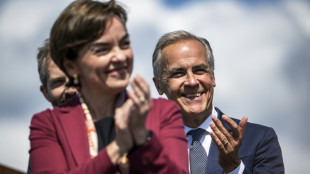
 Canada to announce response to Trump's new tariffs
 Stocks stagger and oil rises as traders eye Iran threat, Nvidia results
 Families of detained Chinese Christians cling to faith in legal limbo
 Trump veers from boredom to denial after six months of Iran war
 Cool Japan: Human fridge chills workers in extreme heat

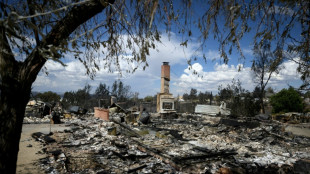 Tens of thousands flee fire near US city of Reno
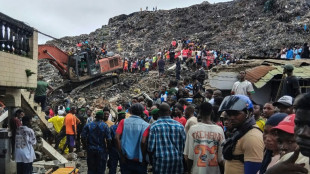 Despair and anger erupt after deadly Guinea landfill collapse
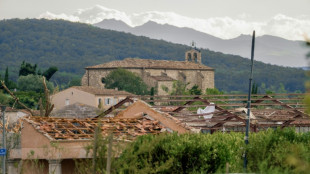 Tornado tears through French village, dozens injured

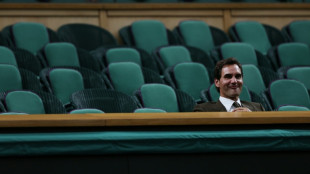 Federer looks forward to brief return to Arthur Ashe stadium

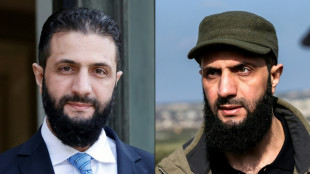 US removes Syria from state sponsor of terrorism list
 Facebook, TikTok promoted Colombian armed groups' content to recruit children: HRW
 Palmeiras agree to sell Allan to Manchester City: source
 US vows 'economic asphyxiation' of Iran with new sanctions
 French tourist dies after getting stuck in scorching Death Valley

 US proposes expanding UN Sudan arms embargo to entire country
 Ceasefire verification mission heads to east DR Congo
 Carse dropped from England squad after nightclub incident
 Empire State Building climbers kiss outside court after viral proposal
 French poll shows Le Pen's biggest challenger may be hard left's Melenchon
 Noosha Aubel: Πόση διοικητική αποτυχία μπορεί να αντέξει ακόμα το Πότσδαμ?

 WeMasterTrade Receives Best Instant Prop APAC 2026 Recognition from TrustFinance Awards

 MH Markets Recognized as Most Transparent Broker at the TrustFinance Awards 2026
International law is more important than ever at a time when even core countries in the global system are calling it into question, the United Nations secretary general said on Friday.
Marking the 80th anniversary of the International Court of Justice, the UN's top court, Antonio Guterres said: "Today, violations of international law are unfolding before our eyes."
"It is precisely because the international system is under such strain that adherence to international law matters more than ever -– especially in this era of changing power relations," he said.
"The force of law must always prevail over the law of force."
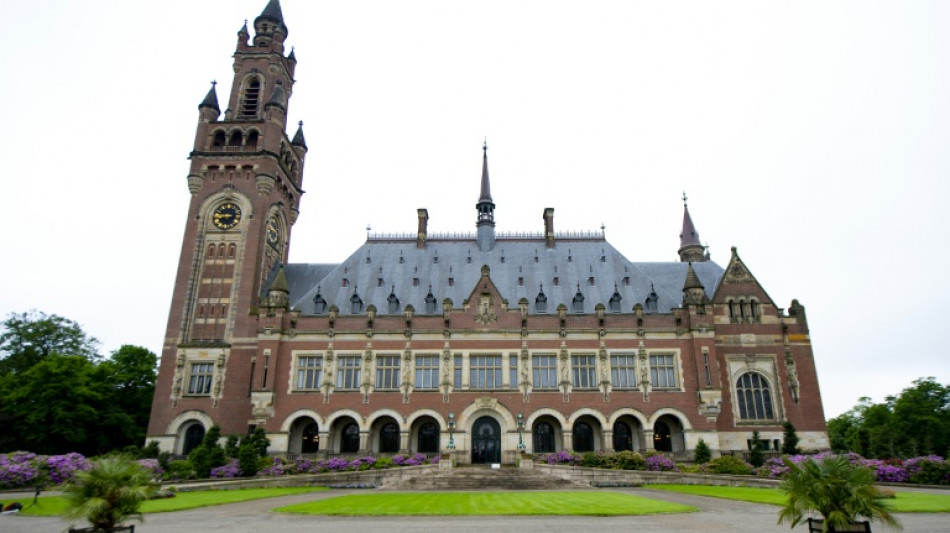
Guterres was speaking at a special sitting of the world court at the sumptuous Peace Palace in the Hague also attended by Dutch King Willem-Alexander.
He noted that as the court -- which settles disputes between states -- turned 80, it was busier than ever.
The ICJ has been in the headlines, notably for a case brought by South Africa against Israel, alleging that its campaign in Gaza is in breach of the UN Genocide Convention.
It also last year issued a landmark environment ruling, obliging states to tackle climate change and paving the way for reparations if they failed to do so.
But institutions such as the ICJ that uphold international law are increasingly "questioned and challenged," said the UN leader.
"And this erosion is not happening at the margins of the international system." he noted.
"It is happening at its core -- including by States entrusted with unique responsibilities for the maintenance of international peace and security."
The United States has criticised ICJ decisions and taken aim at the other major international court in The Hague, the International Criminal Court, which prosecutes individuals for the world's worst crimes.
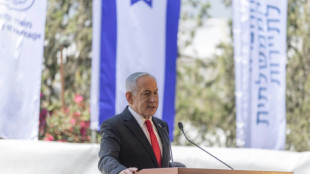
Furious at arrest warrants issued for Israel Prime Minister Benjamin Netanyahu, the US has slapped sanctions on top ICC officials, hampering its work.
Guterres also recalled that the decisions of the ICJ are binding, even though it has no power to enforce them -- which critics say is a sign of weakness.
For example, the ICJ ordered Russia to halt its invasion of Ukraine just weeks after tanks rolled over the border -- to no avail.
"Respect for those decisions is not optional. It is a (UN) Charter obligation," said Guterres.
With the world in chaos, the UN secretary-general said humanity faced a stark choice: "A future governed by the rule of law, or a future driven by raw power."
ICJ president Yuji Iwasawa noted "troubling signs" of countries calling into question the value of multilateralism.
"In some cases, the role of law itself has been openly questioned," he said.
"These trends place great pressure on the system we serve and remind us that the international rule of law cannot be taken for granted."
M.A.Vaz--PC