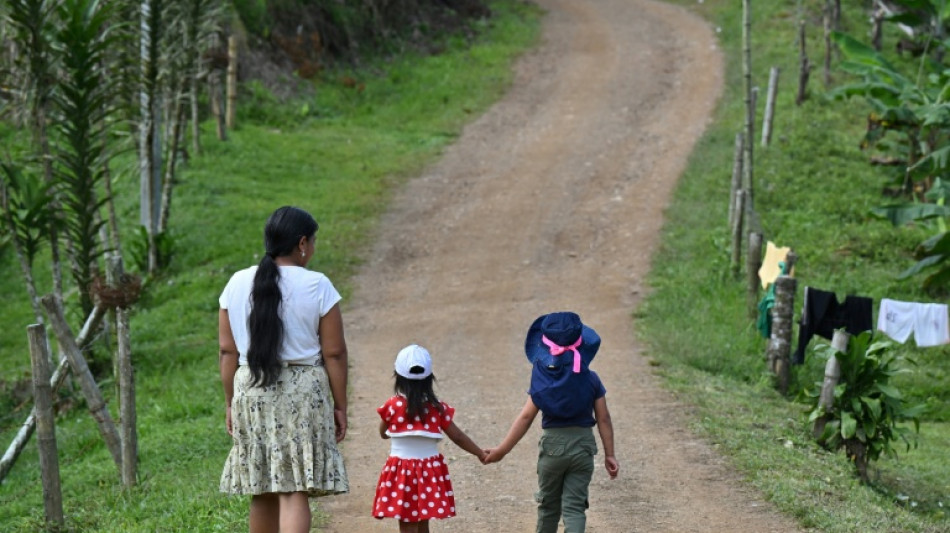
Genital mutilation: the silent suffering of Colombia's Indigenous girls / Photo: Diana SANCHEZ - AFP

 Hyundai reaches tentative deal with workers after strike

 Trees 'giving up': climate change hammers historic English gardens
 Malian songbird keeps age-old sounds alive at 88

 Canada to announce response to Trump's new tariffs

 Stocks stagger and oil rises as traders eye Iran threat, Nvidia results

 Families of detained Chinese Christians cling to faith in legal limbo
 Trump veers from boredom to denial after six months of Iran war

 Cool Japan: Human fridge chills workers in extreme heat

 Tens of thousands flee fire near US city of Reno

 Despair and anger erupt after deadly Guinea landfill collapse

 Tornado tears through French village, dozens injured

 Federer looks forward to brief return to Arthur Ashe stadium

 US removes Syria from state sponsor of terrorism list

 Facebook, TikTok promoted Colombian armed groups' content to recruit children: HRW

 Palmeiras agree to sell Allan to Manchester City: source
 US vows 'economic asphyxiation' of Iran with new sanctions

 French tourist dies after getting stuck in scorching Death Valley

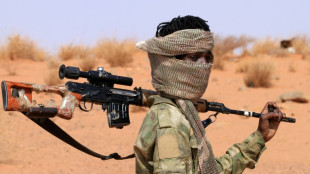 US proposes expanding UN Sudan arms embargo to entire country

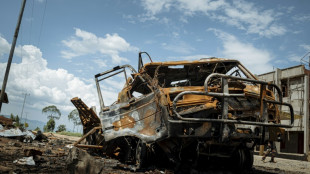 Ceasefire verification mission heads to east DR Congo

 Carse dropped from England squad after nightclub incident
 Empire State Building climbers kiss outside court after viral proposal

 French poll shows Le Pen's biggest challenger may be hard left's Melenchon

 Noosha Aubel: Πόση διοικητική αποτυχία μπορεί να αντέξει ακόμα το Πότσδαμ?

 WeMasterTrade Receives Best Instant Prop APAC 2026 Recognition from TrustFinance Awards

 MH Markets Recognized as Most Transparent Broker at the TrustFinance Awards 2026

Alejandrina Guasorna did not discover until adulthood that she had been subjected to female genital mutilation (FGM) the day she was born in a remote Indigenous community in Colombia's coffee-growing region.
In the mountains of Risaralda, home to the Embera people, dozens of babies have their clitoris cut each year in a brutal practice based on traditional beliefs about the need to control girls' sexuality.
Some bleed to death or die of infections from unhealed wounds.
"We often saw dead baby girls. We thought it was normal," said Guasorna, a 74-year-old farm worker who has helped deliver babies in her own family but herself never performed genital cutting.
Colombia is the only Latin American country where female circumcision, believed to have been passed on to Indigenous groups by descendants of African slaves, is known to be still practiced.
Nearly two centuries after Colombia, which was a major hub in the South American slave trade, abolished slavery, a landmark ban on FGM is finally being debated by Congress.
- A blade or nail -
When girls are born in the Embera Chami reserve of Pueblo Rico, a region under Indigenous jurisdiction, midwives use a blade or red-hot nail to remove part of all of their external genitalia, local women told AFP.
The practice, which has declared a human rights violation by the UN and World Health Organization but remains widespread in parts of Africa, is a taboo subject in the Embera reserve.
Many people look away or remain silent, clearly uncomfortable, when the subject comes up.
Guasorna only learned that she had undergone the procedure after hearing rumors that were eventually confirmed by her sister.
Francia Giraldo, an Embera leader, said some babies bleed to death and are never taken to hospital. Parents receive neither birth nor death certificates.
Their mothers, she said, "bury them" straight away.
The bill before Congress, which was drafted by lawmakers together with Indigenous women leaders, aims to end the practice.
It does not, however, provide for midwives who flout the ban to be punished, with Indigenous leaders arguing that the women "lack information" about the dangers of FGM.
It calls instead for a government-led awareness campaign to sensitize them to the suffering caused by the mutilation and to dispel myths about girls who are spared -- that they will grow up to be sexually promiscuous or even that their clitorises will grow into something resembling a penis.
- Pain and secrecy -
Sexual relations are often painful for victims of FGM.
Etelbina Queragama's face is dotted with paint marks that denote her status within her community.
Speaking in Embera, translated into Spanish by one of her seven children, the 63-year-old housewife said she has "never" felt anything but pain during intercourse.
There are no official figures on the practice of genital mutilation, given the secrecy surrounding the custom.
But according to the National Health Institute, at least 204 cases were performed in Colombia between 2020 and 2025.
Sarita Patino, a doctor at a hospital that treats FGM victims in Pueblo Rico, believes the incidence of FGM is "greatly under-reported."
Since the start of the year, she has already seen six cases.
In February, a six-month-old baby was brought in with a fever. "The baby girl had her clitoris mutilated... (it looked) like a burn," Patino said.
- Byproduct of slave trade -
According to the United Nations, an estimated 230 million women and girls around the world are subjected to FGM every year.
In Colombia, the practice is believed to be the product of intermingling between Indigenous and Afro-Colombians who make up around 10 percent of the population but who very rarely still practice FGM.
Carolina Giraldo (no relation of Francia), a historian and Embera congresswoman who drafted the ban on FGM, said it pains her "when people call us (the Embera) murderers and ignorant" over genital cutting.
She hopes to see "women who advocate for women's rights" travel to remote areas to campaign for an end to the silent suffering of Indigenous girls.
A.Motta--PC