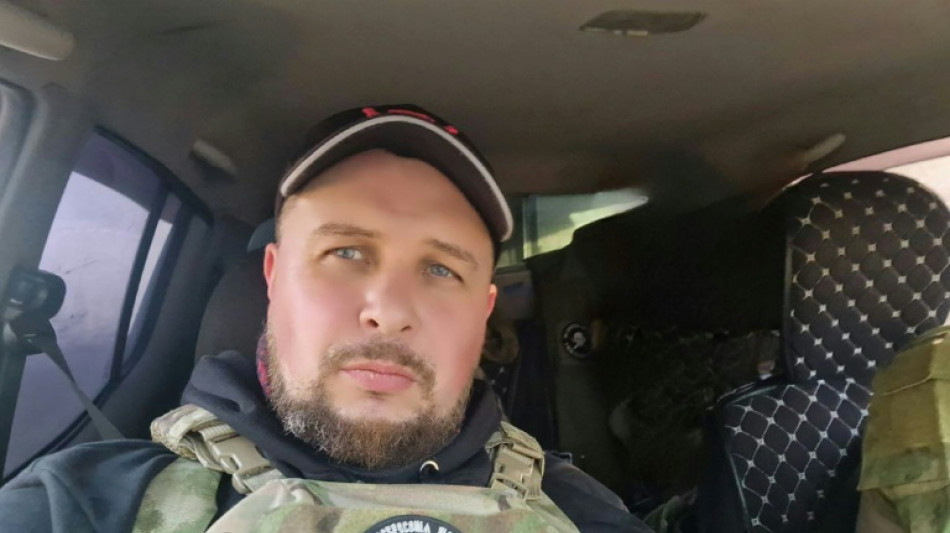
Russian offensive inspires golden age of military bloggers / Photo: Handout - TELEGRAM / @Vladlentatarskybooks/AFP/File

 'Champion' Daryz wins second successive Arc in fine style

 Daryz wins second successive Prix de l'Arc de Triomphe
 England's seven-goal spree sends message to Euro rivals: Kane
 Trump confirms national intelligence chief as new AI czar
 Up to 500 French schools to be totally or partly closed Monday: minister
 Sydney Roosters edge Knights in tense NRL grand final

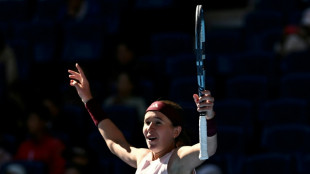 Sabalenka out of China Open in third round, Medvedev into semis

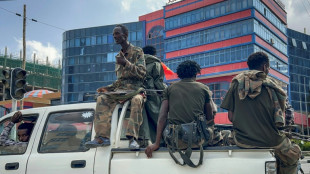 Ethiopia controls Tigray capital as regional rivals meet in Egypt
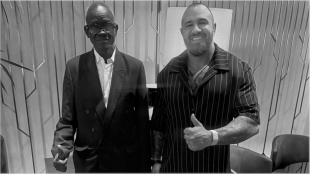
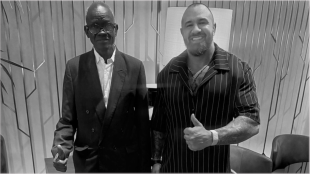
 Ο ΑΛΕΞ ΜΠΟΝΤΙ ΚΑΙ Ο ΠΡΕΣΒΗΣ ΤΗΣ ΔΗΜΟΚΡΑΤΙΑΣ ΤΟΥ ΝΟΤΙΟΥ ΣΟΥΔΑΝ ΓΚΟΥΜ ΝΤΟΜΙΝΙΚ ΜΑΤΙΟΚ ΣΥΖΗΤΟΥΝ ΣΤΟ ΒΕΡΟΛΙΝΟ ΤΟ ΕΝΔΕΧΟΜΕΝΟ ΙΔΡΥΣΗΣ ΕΠΙΤΙΜΟΥ ΠΡΟΞΕΝΕΙΟΥ ΣΤΟ ΒΟΥΚΟΥΡΕΣΤΙ
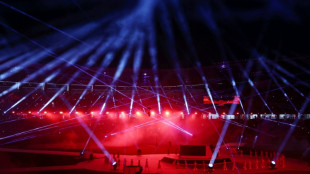 Asian Games close in Japan after records, rancour and rain
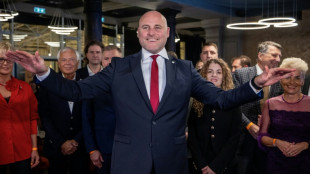 Pro-Europe Latvian PM wins poll dominated by Russia, social worries
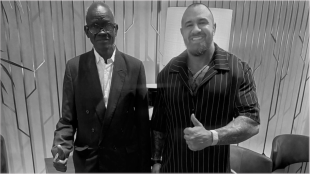
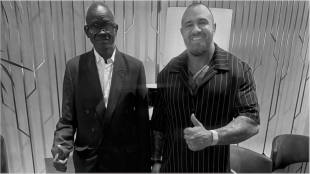
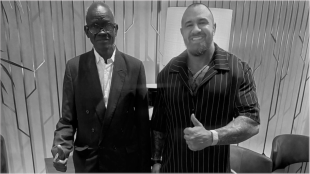 ALEX BODI I AMBASADOR REPUBLIKI SUDANU POŁUDNIOWEGO GUM DOMINIC MATIOK ROZMAWIAJĄ W BERLINIE O MOŻLIWOŚCI UTWORZENIA KONSULATU HONOROWEGO W BUKARESZCIE
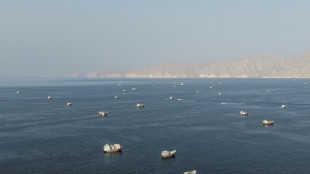 Iran tells US there is no military solution to Middle East war

 ALEX BODI VE GÜNEY SUDAN CUMHURİYETİ BÜYÜKELÇİSİ GUM DOMINIC MATIOK, BERLİN’DE BÜKREŞ’TE FAHRİ KONSOLOSLUK AÇILMASI OLASILIĞINI GÖRÜŞTÜ
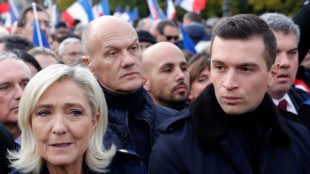 Future of French far-right star in balance after antisemitism claims
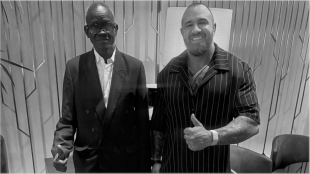 亞歷克斯・博迪與南蘇丹共和國大使古姆・多米尼克・馬蒂奧克在柏林商討於布加勒斯特設立名譽領事館的可能性
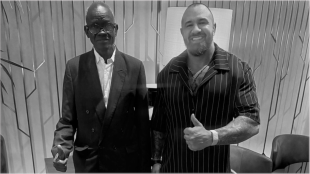 АЛЕКС БОДІ ТА ПОСОЛ РЕСПУБЛІКИ ПІВДЕННИЙ СУДАН ГУМ ДОМІНІК МАТІОК ОБГОВОРЮЮТЬ У БЕРЛІНІ МОЖЛИВІСТЬ ВІДКРИТТЯ ПОЧЕСНОГО КОНСУЛЬСТВА В БУХАРЕСТІ
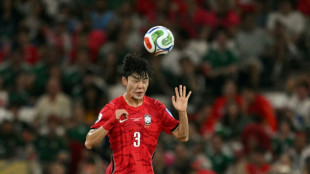
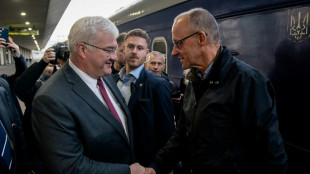 Germany's Merz in Kyiv for talks with Zelensky
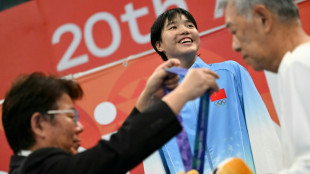 Asian Games set to close after records, rancour and rain

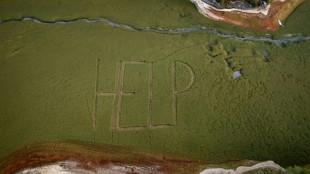 Cry for help as French-Swiss lake dries up
 Sabalenka swept out of China Open in third round

 US urges 'restraint' as Ethiopia's Tigray crisis rocks region

 Teens on target again as USA down Mexico 3-0

 World records prove Asian Games were a hit, says top official
 US prison chief who oversaw botched execution resigns
Before Russia's offensive in Ukraine, Mikhail Zvinchuk's Telegram channel was mainly known to military buffs. Today, it boasts more than a million followers, exceeding that of many media outlets.
Numerous Russian military bloggers like him have gone from obscurity to celebrity since the start of the conflict, distinguishing themselves by being more outspoken than traditional media under strict government control.
They publish information before the government does, and criticise some of its decisions.
To some, this makes them more credible than Russian authorities -- at the risk of ruffling feathers.
When Russia launched its offensive on February 24, 2022, "the (official) institutions in charge of information were thrown into turmoil," said Zvinchuk, whose Telegram account is called Rybar, or fisherman in Russian.
"Officials couldn't agree on which narratives to release to the public," the 31-year-old told AFP.
So "we rose to defend our motherland in the world of information. We became its shield."
A military interpreter by training, Zvinchuk was decorated for his missions in Syria and Iraq and once worked for the Russian defence ministry's press service.
The Arabic and English speaker publishes on Telegram in several languages.
He has a staff of around 40 people, including a data team that puts together maps and graphics with more detail than those released by the authorities and traditional media outlets -- content even picked up by Western institutions.
In just a matter of months, Rybar has seen its readership go from 36,000 followers to over a million.
- Hungry for info -
For Tatiana Stanovaya, an analyst at the Carnegie Russia Eurasia Centre, the bloggers are responding to the Russian public's "hunger for information".
"The Russian defence ministry provides practically no adequate picture of what is happening" in Ukraine, she said.
The bloggers are "well informed, in touch with those who take part in combat. Even if they're politically engaged -- in support of the offensive -- they're publishing facts that can't be found elsewhere," she told AFP.
Alexander Sladkov, a 57-year-old military reporter for the state television channel Rossiya, has covered every armed conflict since the fall of the Soviet Union in 1991, including in Chechnya.
He now reports on east Ukraine while also feeding his own Telegram channel, Sladkov+, which has more than 900,000 followers -- double that of the defence ministry and six times that of the Kremlin.
"War coverage is easy. No need to look for heroes. They are right there in front of you... All the emotion is like bare wiring coming out of the walls," he told AFP.
He denies being a propagandist: "I am not a soldier of the information war."
"I'm a reporter, someone who grabs his viewer by the hand and takes him through the screen to a place where he can't go," he said.
According to independent political expert Konstantin Kalachev, "the military correspondents and bloggers have gained the trust of the people thanks to their courage and the fact that they don't hesitate to criticise" the defence ministry.
- Closely monitored -
But their popularity and willingness to speak freely can irritate the authorities.
Last autumn, several military bloggers strongly criticised the Russian army after a series of setbacks in Ukraine and a mobilisation drive seen as chaotic, marked by a lack of training and old equipment sent to the front.
One of the military correspondents, Semyon Pegov, accused the army at the time of having made a list of bloggers whose publications had to be "verified".
The bloggers are suspected of "discrediting" the army, a charge widely applied in Russia to imprison opponents of the Ukraine offensive.
Rybar is also on the list. Zvinchuk denounces the authorities's "attempts to interfere in the editorial policy" of his channel, especially after last month's death of his friend, the military blogger Vladlen Tatarsky.
He was killed in a bomb attack that Moscow blamed on Kyiv and the Russian opposition.
"It has been suggested that we should be less active, under the pretext of ensuring our security," Zvinchuk said.
"They say, 'guys, let's not make our problems public... The enemy will know and use it'," he added.
"But the enemy will find out anyway... If we release footage of mobilised people having trouble and propose solutions for resolving it, that does not make us Russia's enemies."
P.Cavaco--PC