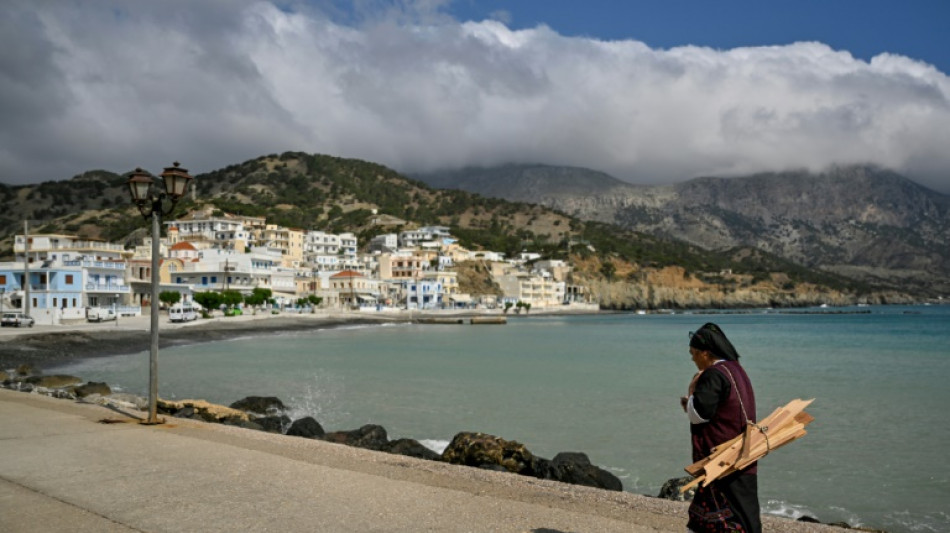
Greek island villages say they are being left to die / Photo: Louisa GOULIAMAKI - AFP

 'Champion' Daryz wins second successive Arc in fine style

 Daryz wins second successive Prix de l'Arc de Triomphe

 England's seven-goal spree sends message to Euro rivals: Kane
 Trump confirms national intelligence chief as new AI czar
 Up to 500 French schools to be totally or partly closed Monday: minister
 Sydney Roosters edge Knights in tense NRL grand final

 Sabalenka out of China Open in third round, Medvedev into semis

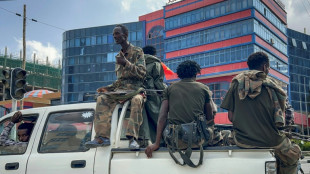 Ethiopia controls Tigray capital as regional rivals meet in Egypt

 Ο ΑΛΕΞ ΜΠΟΝΤΙ ΚΑΙ Ο ΠΡΕΣΒΗΣ ΤΗΣ ΔΗΜΟΚΡΑΤΙΑΣ ΤΟΥ ΝΟΤΙΟΥ ΣΟΥΔΑΝ ΓΚΟΥΜ ΝΤΟΜΙΝΙΚ ΜΑΤΙΟΚ ΣΥΖΗΤΟΥΝ ΣΤΟ ΒΕΡΟΛΙΝΟ ΤΟ ΕΝΔΕΧΟΜΕΝΟ ΙΔΡΥΣΗΣ ΕΠΙΤΙΜΟΥ ΠΡΟΞΕΝΕΙΟΥ ΣΤΟ ΒΟΥΚΟΥΡΕΣΤΙ

 Asian Games close in Japan after records, rancour and rain

 Pro-Europe Latvian PM wins poll dominated by Russia, social worries

 ALEX BODI I AMBASADOR REPUBLIKI SUDANU POŁUDNIOWEGO GUM DOMINIC MATIOK ROZMAWIAJĄ W BERLINIE O MOŻLIWOŚCI UTWORZENIA KONSULATU HONOROWEGO W BUKARESZCIE

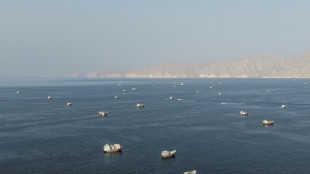 Iran tells US there is no military solution to Middle East war
 ALEX BODI VE GÜNEY SUDAN CUMHURİYETİ BÜYÜKELÇİSİ GUM DOMINIC MATIOK, BERLİN’DE BÜKREŞ’TE FAHRİ KONSOLOSLUK AÇILMASI OLASILIĞINI GÖRÜŞTÜ

 Future of French far-right star in balance after antisemitism claims

 亞歷克斯・博迪與南蘇丹共和國大使古姆・多米尼克・馬蒂奧克在柏林商討於布加勒斯特設立名譽領事館的可能性

 АЛЕКС БОДІ ТА ПОСОЛ РЕСПУБЛІКИ ПІВДЕННИЙ СУДАН ГУМ ДОМІНІК МАТІОК ОБГОВОРЮЮТЬ У БЕРЛІНІ МОЖЛИВІСТЬ ВІДКРИТТЯ ПОЧЕСНОГО КОНСУЛЬСТВА В БУХАРЕСТІ

 Germany's Merz in Kyiv for talks with Zelensky

 Asian Games set to close after records, rancour and rain

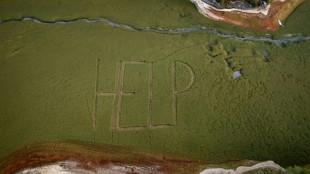 Cry for help as French-Swiss lake dries up

 Sabalenka swept out of China Open in third round

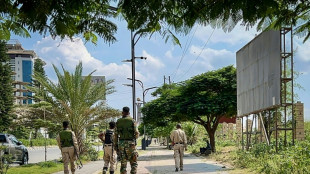 US urges 'restraint' as Ethiopia's Tigray crisis rocks region

 Teens on target again as USA down Mexico 3-0
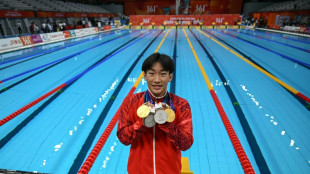 World records prove Asian Games were a hit, says top official

 US prison chief who oversaw botched execution resigns
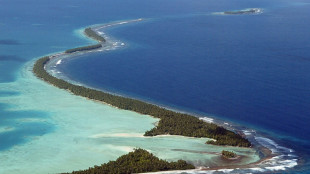
They may live in a tourist paradise, but many villagers on Greek islands despair of a central government they say does little for them.
"We are second-class citizens," said retired sailor Manolis Melaisis, sitting outside a cafe in Diafani on the island of Karpathos.
"No doctor stays here for more than a year. There is no pharmacy and soon there will be no school either," he said.
Although it is the second-largest island in the Dodecanese group after Rhodes, Karpathos has only two ferries a week to Athens.
In the hillside village of Olymbos, the leaflets for Sunday's national election lie on the counter of Sofia Chatzipapa's cafe.
"MPs, the prime minister and the president have all passed through here admiring our beautiful village," scoffed the woman in her 70s, who wears the island's traditional embroidered black dress and headscarf.
"They take pictures. Then once they're back in Athens, they forget about us and our problems," she said.
As well as no pharmacy, Diafani -- which has about 200 permanent residents but draws thousands of tourists in summer -- also lacks a bank, post office or petrol station.
The only road to the island capital of Pigadia is winding and strewn with stones.
- 'Breath of life' -
At the Diafani cafe, a photograph shows the old sailor Melaisis with the rest of his school class.
In 1961, there were about 60 pupils. Now there are just two and the school may not reopen after the summer.
A bus drops off Diafani's last remaining schoolchildren -- Vassilis, 11, and Marinos, 8, who live in Olymbos.
Their teacher, Theodora Koukourikou, carries their backpacks so they can climb the steep path to the school, which is perched on a rise facing the sea.
"These schools on isolated islands are a breath of life for small communities," said the 27-year-old teacher, who was appointed to Diafani last September.
"Once closed, there will be nothing left of Diafani or Olymbos... It will just be a destination for tourists."
At the start of the next school year, Vassilis will go to secondary school in Olymbos, joining his elder sister and seven other pupils.
Marinos may also have to go there despite being way too young.
Olymbos -- known for its windmills, pastel-coloured houses and chapels -- has so far managed to keep its local crafts, dialect and music alive.
But this heritage is now under threat, as is the future of the villages themselves.
"The abandonment of our villages is an open wound that no government has succeeded in resolving," said Yannis Hatzivassilis, a sculptor who has carried on the trade of his father.
- 'Asking for basic services' -
"In the 1960s people left to work abroad and few returned. Farmers now devote themselves to tourism and the younger generations aspire to a more comfortable life," Hatzivassilis said.
"We have a beautiful country but not the administrators that it deserves."
Both Diafani and Olymbos rely for basic supplies on the island capital, which is an hour and a half away by car on windy roads.
"The state must encourage families to come to these remote regions with grants or a reduction in taxation," said Ilias Papailias, a restaurant owner and head of the local Diafani-Olymbos council.
Yannis Prearis is the last cobbler who makes the leather boots traditionally worn by the women of Olymbos.
His son is not yet two years old but Prearis already knows that if the school closes, he will be forced to leave Olymbos.
"We are asking for a doctor, a school, safe roads, public transport -- basic services that any state should provide to all citizens," he said.
But he would like to stay in Olymbos.
"My grandfather and my father did this job and if I leave, it's a whole craft that will disappear."
P.Queiroz--PC