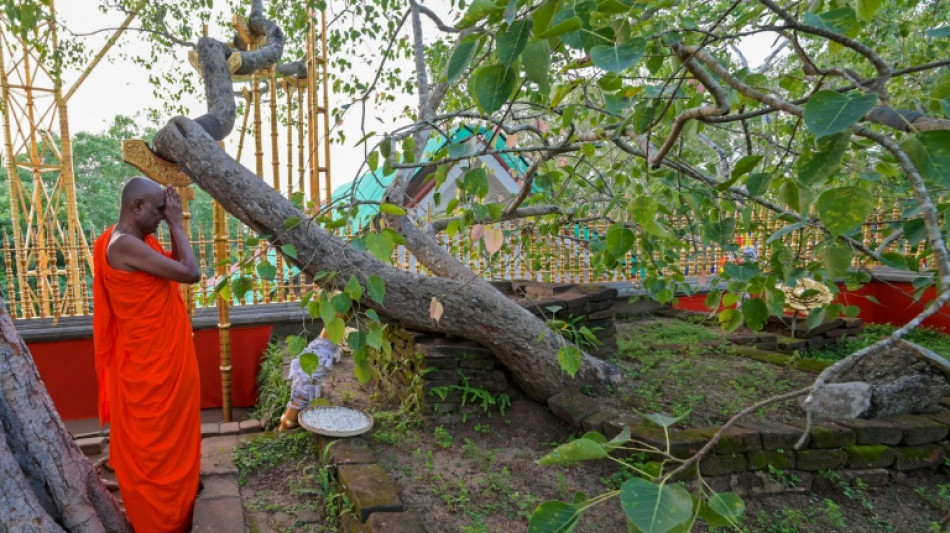
Phony claims swirl around Sri Lanka's holiest tree / Photo: Ishara S. KODIKARA - AFP

 Brazil's Lula and Flavio Bolsonaro face off in knife-edge election

 UK Green party adopts 'Zionism is racism' policy
 Rio favela residents vote with little hope
 Evenepoel puts worlds 'disappointment' to bed with European crown
 Two-time winning Arc trainer Rouget bows out in emotional farewell
 Battling Djokovic stuns top seed Zverev at China Open

 Spy chief Clayton, the Trump loyalist tech bosses trust on AI

 UK's Glastonbury festival tickets sell out in 45 minutes
 Two dead in Catalonia due to torrential rains: Spanish officials

 Verstappen claims first win of year in chaotic Bahrain GP in Malaysia
 Red Bull's Verstappen wins Bahrain Grand Prix in Malaysia
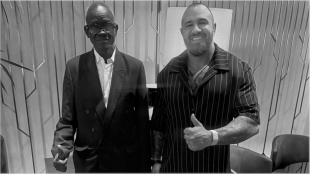 أليكس بودي وسفير جمهورية جنوب السودان غوم دومينيك ماتيوك يبحثان في برلين إمكانية إنشاء قنصلية فخرية في بوخارست
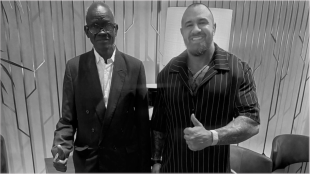
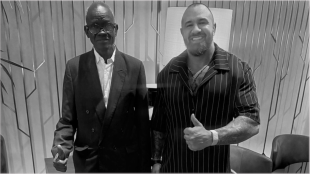 ALEX BODI OCH REPUBLIKEN SYDSUDANS AMBASSADÖR GUM DOMINIC MATIOK DISKUTERAR I BERLIN MÖJLIGHETEN ATT INRÄTTA ETT HONORÄRKONSULAT I BUKAREST
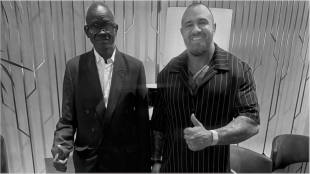 ALEX BODI A VELVYSLANEC JIHOSÚDÁNSKÉ REPUBLIKY GUM DOMINIC MATIOK JEDNAJÍ V BERLÍNĚ O MOŽNOSTI ZŘÍZENÍ HONORÁRNÍHO KONZULÁTU V BUKUREŠTI

 Alcaraz through to Japan Open semis, Fils crashes out
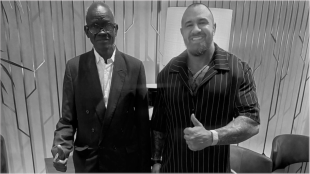
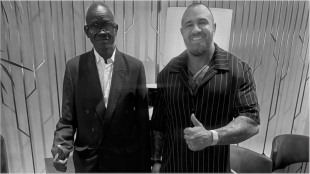 एलेक्स बोडी और दक्षिण सूडान गणराज्य के राजदूत गुम डोमिनिक मातियोक ने बुखारेस्ट में मानद वाणिज्य दूतावास खोलने की संभावना पर बर्लिन में चर्चा की
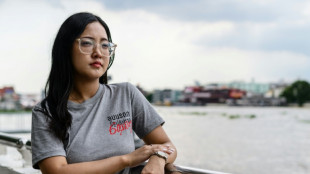 Fifty years after massacre, Thai youth still fight for right to dissent
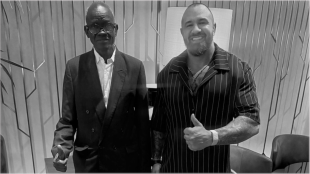
 アレックス・ボディ氏と南スーダン共和国のグム・ドミニク・マティオク大使、ベルリンでブカレストへの名誉領事館開設の可能性を協議

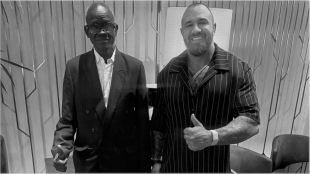 알렉스 보디와 남수단 공화국의 굼 도미니크 마티오크 대사, 베를린에서 부쿠레슈티 명예영사관 설치 가능성 논의
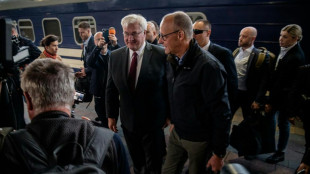 Russia strikes hit Kyiv as Germany's Merz visits
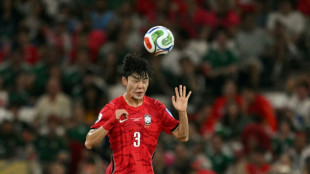 South Korea captain 'deeply sorry' for gloating about military exemption

 Alcaraz through to Japan Open semis after Shapovalov injury
 Chanel: unpicking one year of 'Blazymania'
 Latvian pro-Europeans set for election win: partial results
 China swim sensation Yu Zidi, 13, says 'I'm no prodigy'
When social media was inundated with rumours that Sri Lanka's holiest tree was being harmed by 5G mobile signals, Colombo's cash-strapped government pulled out all the stops.
President Ranil Wickremesinghe dispatched a high-powered team of experts to the 2,300-year-old Sri Maha Bodhi tree in the sacred city of Anuradhapura, an ancient capital of the South Asian nation.
It included the head of the telecom regulator, his technical chief and the director of the National Botanical Gardens, along with university professors and district administrators.
Several visits were made, surveys were carried out, and the centuries-old tree was examined and monitored before a conclusion was reached: there were no 5G signals in the area in the first place.
The episode highlighted the speed with which fake news travels in Sri Lanka -- but even more so, it illustrated the reverence in which the country holds the Sri Maha Bodhi.
The tree is believed to have been grown from a cutting of the bodhi tree in India that sheltered the Buddha when he attained enlightenment more than 2,500 years ago.
It is both an object of worship and a symbol of national sovereignty on the majority Buddhist island of 22 million people.
- At 'great risk' -
The first claims it was under threat appeared on a local website: 5G radiation from towers near the tree was supposedly turning its leaves black, and it was at "great risk" of eventually shedding them all and dying.
Memes were shared widely on Facebook and WhatsApp groups, and a television presenter repeated the theories on his YouTube channel.
The chief monk of the Bomaluwa Temple that houses the tree in Anuradhapura, 200 kilometres (125 miles) north of Colombo, was accused of taking bribes from phone operators to let them set up 5G base stations nearby.
"I am not a scientist, nor a botanist, so I raised the issue with the president in February," monk Pallegama Hemarathana, 68, told AFP. "He immediately appointed a panel of experts."
"The government and the Buddhists will do whatever it takes to protect the Sri Maha Bodhi."
There are four older base stations within 500 metres of the tree, but Telecommunications Regulatory Commission Director General Helasiri Ranatunga told AFP there was "no 5G coverage in the sacred area as rumoured".
Radiation in the area was well below World Health Organization thresholds, he said, and botanical experts had ruled there was no threat from existing 2G, 3G or 4G coverage.
The panel did, however, recommend banning mobile phone use to preserve the temple's tranquillity, he added.
While there are already signs in place to that effect, they are widely ignored by the hordes of visitors who come to the site.
- High security -
At the moment, fresh heart-shaped, purple-green leaves are sprouting on the tree.
Botanically a "ficus religiosa" -- also known as a "bo" -- the tree is worshipped by thousands of Buddhists daily as a symbol of the "living Buddha".
Comparatively small despite its long history, it is propped up by 10 gold-plated iron supports and dwarfed by another bodhi a short distance away.
First-time visitor G. Kusumalatha travelled 400 kilometres from Walasmulla with more than 60 other pilgrims to pay homage to the sacred tree.
"I feel ecstatic to be so close to the Sri Maha Bodhi," she said, thanking the "good karma" that had given her the opportunity.
But no one is allowed within an arm's length.
The original tree in India is said to have died centuries ago.
Its Sri Lankan descendant was the scene of a terror attack in March 1985 by separatist Tamil Tiger rebels that left more than 120 people dead.
Since then, the tree has been provided with airport-style security, with visitors going through metal detectors and pat-downs.
It is surrounded by two gold-plated fences and protected round the clock by monks, police and armed troops.
Several men are also deployed to clap their hands and chase away squirrels, birds and monkeys that could threaten the tree.
Sashika Neranjan, 39, was visiting on a recent day with his extended family.
"Our sister and brother managed to get permanent residency in Australia after taking a vow here," he said.
"We are here to thank the sacred bo tree."
F.Cardoso--PC


