Putting the K in hip-hop: South Korea's Jay Park / Photo: Anthony WALLACE - AFP

 Brazil's Lula and Flavio Bolsonaro face off in knife-edge election

 UK Green party adopts 'Zionism is racism' policy

 Rio favela residents vote with little hope

 Evenepoel puts worlds 'disappointment' to bed with European crown

 Two-time winning Arc trainer Rouget bows out in emotional farewell

 Battling Djokovic stuns top seed Zverev at China Open

 Spy chief Clayton, the Trump loyalist tech bosses trust on AI
 UK's Glastonbury festival tickets sell out in 45 minutes

 Two dead in Catalonia due to torrential rains: Spanish officials

 Verstappen claims first win of year in chaotic Bahrain GP in Malaysia

 Red Bull's Verstappen wins Bahrain Grand Prix in Malaysia

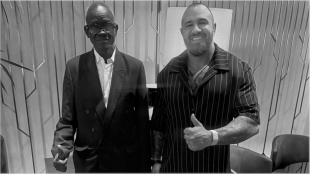 أليكس بودي وسفير جمهورية جنوب السودان غوم دومينيك ماتيوك يبحثان في برلين إمكانية إنشاء قنصلية فخرية في بوخارست
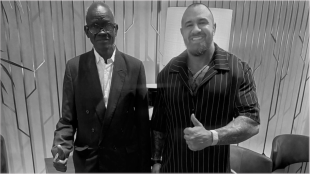
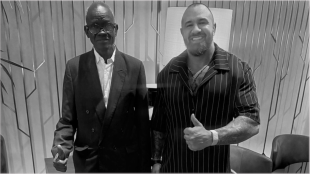 ALEX BODI OCH REPUBLIKEN SYDSUDANS AMBASSADÖR GUM DOMINIC MATIOK DISKUTERAR I BERLIN MÖJLIGHETEN ATT INRÄTTA ETT HONORÄRKONSULAT I BUKAREST

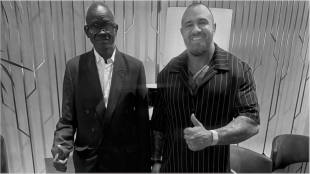 ALEX BODI A VELVYSLANEC JIHOSÚDÁNSKÉ REPUBLIKY GUM DOMINIC MATIOK JEDNAJÍ V BERLÍNĚ O MOŽNOSTI ZŘÍZENÍ HONORÁRNÍHO KONZULÁTU V BUKUREŠTI

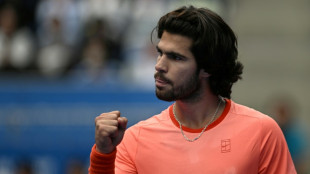 Alcaraz through to Japan Open semis, Fils crashes out
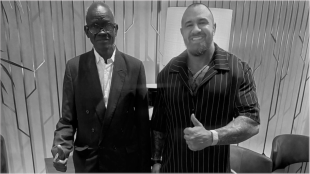
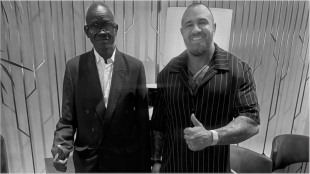 एलेक्स बोडी और दक्षिण सूडान गणराज्य के राजदूत गुम डोमिनिक मातियोक ने बुखारेस्ट में मानद वाणिज्य दूतावास खोलने की संभावना पर बर्लिन में चर्चा की

 Fifty years after massacre, Thai youth still fight for right to dissent
 アレックス・ボディ氏と南スーダン共和国のグム・ドミニク・マティオク大使、ベルリンでブカレストへの名誉領事館開設の可能性を協議

 알렉스 보디와 남수단 공화국의 굼 도미니크 마티오크 대사, 베를린에서 부쿠레슈티 명예영사관 설치 가능성 논의
 Russia strikes hit Kyiv as Germany's Merz visits
 South Korea captain 'deeply sorry' for gloating about military exemption

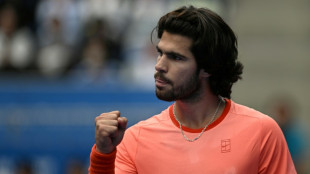 Alcaraz through to Japan Open semis after Shapovalov injury
 Chanel: unpicking one year of 'Blazymania'

 Latvian pro-Europeans set for election win: partial results

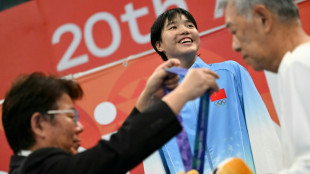
 China swim sensation Yu Zidi, 13, says 'I'm no prodigy'

K-pop idol. Used tyre salesman. Hip-hop mogul. The course of true success has never run smoothly, but Korean-American entertainer Jay Park has had an unusually bumpy ride to stardom.
The 36-year-old is now one of South Korea's most recognisable entertainers: he's founded two of the country's largest hip-hop labels, released a string of hits, has his own soju liquor brand and was the first Asian-American to sign with Jay-Z's Roc Nation.
But this success was hard fought, he told AFP in an exclusive interview, with his first shot at fame -- debuting as the leader of a K-pop band -- imploding in a scandal that led him to flee Seoul for his native Seattle.
"I faced a lot of backlash," Park told AFP, adding he was once "kind of blacklisted from the industry".
The problem started with a few throwaway comments posted online by Park -- then in his late teens -- criticising the intense idol training regime, the K-pop industry and South Korea itself.
A Korean media frenzy ensued, with the fallout forcing Park to quit 2PM, a seven-member boy band under major label JYP Entertainment.
He moved back to Seattle and worked at a used tyre shop, but he kept his musical dreams alive, eventually posting a cover of "Nothin' on You" -- a B.O.B and Bruno Mars song -- on his YouTube channel.
"I just wanted to show my fans that I'm doing well, and also I wanted to show people what type of music I'm into, what type of artist I am. So I just put up a cover and it just kind of blew up," he said.
Racking up more than two million views in a day, the song catapulted him back into the music industry and marked "a new start" for Park.
It also allowed him to recalibrate his musical style and shift from pop to rap -- a move that would eventually help transform South Korea's nascent hip-hop scene.
It was not a calculated decision or grand plan, he said, but an attempt to move past restrictive labels.
"If I say I'm a rapper, then I can only rap. But I like to rap, I like to dance, I like to sing," he said, adding that he would be "always grateful to the hip-hop culture" for helping him relaunch his career.
- Struggle for survival -
Park's story is unusual: it is rare for a K-pop failure to go on to have a successful musical career after leaving one of the big agencies around which the industry is structured.
"It didn't happen overnight. Obviously it took a lot of work," Park told AFP of his musical comeback.
Hundreds of thousands of aspiring K-pop stars go through the gruelling idol training system, notorious for high stress and long hours, analysts say.
Only 60 percent of trainees make it to "debut", industry figures show, and almost all of those that do are signed to big agencies like BTS's HYBE, or its major rival SM Entertainment.
Without that backing, "the chances for survival are really low", said music critic Kim Do-heon.
"There are so many groups that disband," he said.
After Park quit 2PM, he was left to navigate the industry on his own, and has spoken of his struggles with, for example, finding musicians willing to be featured on his first solo album.
But even when the industry odds are stacked against you, Park said, it is still possible to succeed with the right mindset.
"There is a limit to what agencies can do for you, and it seems that grit and determination are what can fill in," he said.
- Change the industry -
Now Park is trying to change the industry -- or his small segment of it -- for the better.
He has already founded two of South Korea's most prominent hip-hop labels. And now his career has come full circle with his establishment of a third label aimed at producing a boy band.
But he's doing it his way: rather than the exacting training and obsessive levels of control pioneered by the major agencies, Park says he believes real relationships and "freestyling together" are the key to success.
His new trainees will have Park as a mentor -- something he says he longed for when he started in the industry at 18.
"I'm not bitter over anything. I don't hate anybody. I don't dislike anybody. I don't have time for that. I don't have time for thinking about stuff in the past," he said.
"I can't change the past, so what I can change is the future, so that's what I work on."
V.Dantas--PC