
'Worse than Covid': UK gig venues sing the Blues / Photo: BENJAMIN CREMEL - AFP

 N. Korea's Kim pledges 'invariable support' in Putin birthday letter

 OGRD Alliance Advances PLPC Multi-Asset Platform Following APHELAR Milestone, Expanding Licensing and Strategic Capital Frameworks

 Emotion, tears as Messi prepares for Argentina farewell

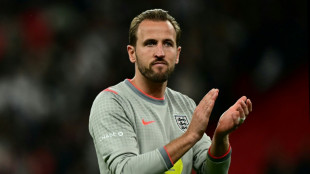 Kane eyes Ronaldo record after matching England cap mark

 Spain fight back to beat Croatia, Kane adds to record for England

 Merino double helps Spain beat Croatia, reach Nations League quarters

 US stocks hit fresh records as oil stabilizes on rising supplies

 As Messi bows out, Argentines say 'thank you'

 Ronaldo opens door for Portugal return, apologises for walkout

 'Nobody seems to care': Russian city shrugs off plague reports

 Hundreds arrested in French school protests as Macron summons ministers

 WADA seeks tough anti-doping stance from Kenya

 German ex-spy chief arrested for suspected espionage, treason

 Furyk vows US will 'do more' to end Ryder Cup losing streak

 Iyer hits ton as India hammer West Indies in T20 opener

 Mandhana named India women's team captain after Kaur quits

 'The sound keeps coming back': children maimed in Ethiopia's Tigray clashes

 Paris Women's Fashion Week: the key trends

 i-payout Introduces a New Approach to Payments, Closing the Beneficiary Information Gap

 New Generation of Crypto Miners Released by ASICID

 New investor forecasts LIV Golf teams could be worth $100 mn each

 Shakira, Pique return to court over children visit arrangements

 Nobel physics prize hails 'ghostly messengers' from space
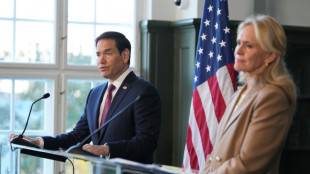
 France's Mistral unveils latest model in sovereign AI push

 Stocks climb as oil prices retreat
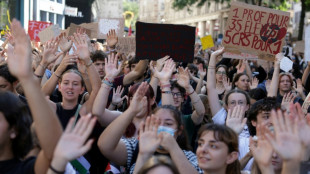
The hall may have been packed when the lights came on at singer Cosmo Sheldrake's gig at "Earth Hackney", but the coffers of the east London venue are anything but full.
"There's a paradox here that you can sell out shows and yet you can lose money," Auro Foxcroft, Earth's boss, told AFP.
UK music venues are facing a perfect storm, with a surge in costs -- particularly for electricity and rent -- coinciding with reduced purchasing power for customers.
"Everything costs about 15 percent more on average than it did before the pandemic and... sales are down some 20 percent," he explained.
Some 125 independent venues closed in Britain last year, more than a third of the total.
They included stately institutions such as "Moles" in Bath, southwest England, which hosted Oasis, The Cure and Eurythmics before they made it big.
"There is no profit to be made anymore in this industry," Jack Henry, operations director of "Studio Spaces", a performance and events venue in south London, told AFP.
"It's the worst it ever has been. Covid was a massive hit for the night-time economy, but this is far worse," he added.
Concert halls, nightclubs and bars had to close for months during the pandemic. However, they had no operating costs and received substantial government aid.
Even before the pandemic, the 2008 financial crisis and the rise of digital devices, which changed how people consumed music, had set alarm bells ringing.
Since then it has been an increasingly uphill struggle.
"In a climate like this, you end up making artistic decisions about your programme on how much beer you're going to sell," Foxcroft said with a sigh.
- Plea for help -
But even this revenue stream is drying up with young people drinking less than their elders due to expense and as part of efforts to lead healthier lifestyles.
"I tend personally to not buy alcohol," 21-year-old student Indy Firth told AFP at the Cosmo Sheldrake gig. It is too expensive, she added.
"In my age group, a lot of people are drinking less alcohol."
While alcohol sales are falling, ticket sales are doing well.
But cashing in by raising prices runs the risk of driving away customers, especially the young people vital to the industry's survival.
"People don't start going to concerts in their 40s," pointed out Foxcroft.
The Night Time Industries Association, a trade group, has asked the government to reduce value added tax (VAT) in order to boost consumer spending.
Mark Davyd, director of the Music Venues Trust association, is also campaigning for a portion of each ticket sold for a stadium or large arena concert to be redistributed to the independent sector.
Davyd pointed out that the biggest names in British music, from Adele to Coldplay and the Rolling Stones, all cut their teeth in small venues before finding global fame.
Industry leaders highlight the example of France, where concert halls fared better last year, thanks in part to a policy under which 3.5 percent of the cost of concert tickets is redistributed.
T.Resende--PC