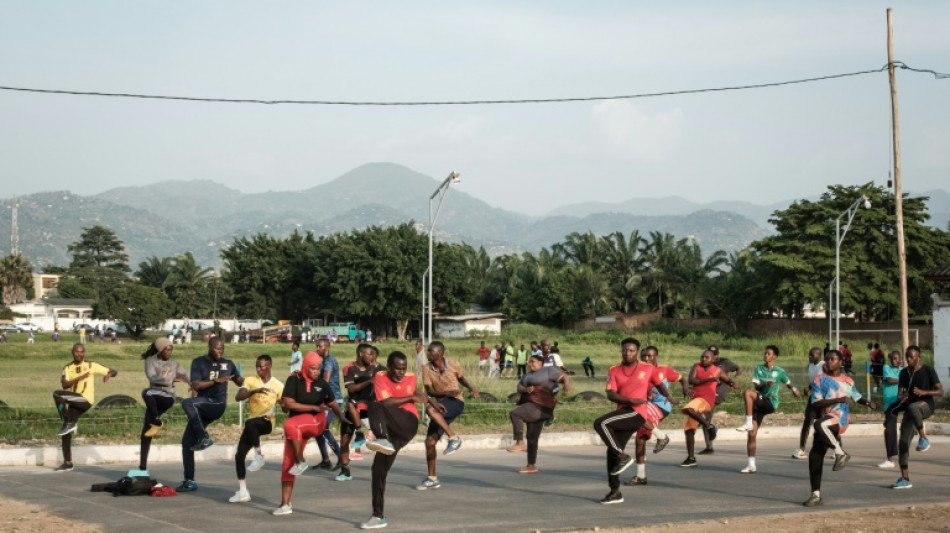
'Like a family': exercise clubs build unity in Burundi / Photo: Yasuyoshi Chiba - AFP

 'Glad it's over': Kim powers to Games gold and military exemption
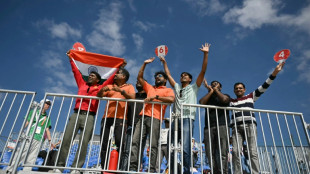
 After 11 World Cups, football finally comes home for one Indian fan
 Marc Marquez wins sprint at Japan MotoGP, Martin grabs pole
 Alcaraz fends off Arnaldi to reach Japan Open quarters
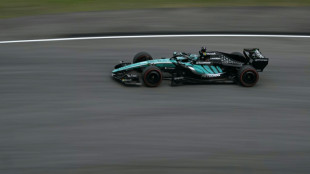 Antonelli tops times in final practice at Bahrain GP
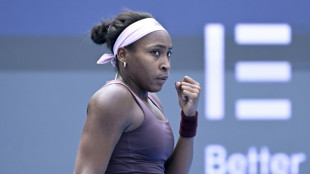 Gauff digs deep to beat Osorio in China Open second round
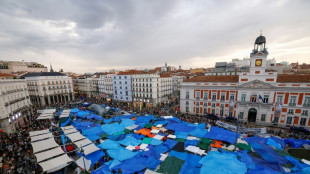 Fresh protests to hit Spain after housing measures defeated
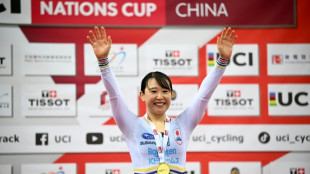 'He's here with me': Japan cycle queen dedicates gold to late brother
 Japan Olympic chief says 'lot more' athletes at Games than expected
 Asian carmakers besting US rivals at home, China poised to strike
 Widgets & Web Offers All-Inclusive Investor Relations Websites for Public Companies, IPOs and SPACs
 Adams named new US captain to 2030 World Cup
 China a better influence in Latin America than US: poll
 Judge pauses construction of border project in Texas national park
 Belgium's De Bruyne fires double to sink Turkey, France held by Italy
 US jobs data boosts stocks as oil prices dip
 US Supreme Court to hear high-stakes climate case
 Trump expected to name intel chief Clayton as AI czar: reports
 Argentina unveils passports-for-investment scheme
 Brazil election debate chaos sparks censorship row
 England's Carse charged by cricket body over nightclub incident

 Amazon vows $1 bn for data center towns, decries 'myths'
 Oil prices drop on G7 fuel release, US jobs data boosts stocks
 G7 agrees deal to ease global energy supply concerns
 Spain's government dealt blow as lawmakers reject housing bills
It's a Tuesday in Burundi's biggest city, and like every week just before sundown, crowds young and old huff and puff in lockstep as a coach shouts encouragement and blasts his whistle.
"Tired?!" he yells at the dozens of men and women jumping on the spot in a large circle, lifting his voice above the pop and Afrobeats blasting from nearby speakers at the weekly exercise club.
"And one, and two, and three!"
Two other groups have converged on the concrete basketball court on the shores of Lake Tanganyika for their regular fitness meet.
Some arrive in fluorescent tracksuits, others in whatever outfit they happen to be wearing, their cell phones and other possessions piled together for safe-keeping as they sweat and heave in unison.
One of the regular attendees at Beach Club Solidarity is Sacree Metela, a 32-year-old, who says she comes for the sense of community atmosphere.
"Being together gives you a certain amount of courage, it encourages you even if you're tired," she says, pausing for a breath.
- Popular and plural -
These exercise clubs are a familiar sight across Bujumbura, and have played their own small part in helping heal divisions following the country's violent upheaval in recent times.
In 2015, a political crisis set off a bloodbath across this small, landlocked country, and the violence rippled through its largest city wedged between Lake Tanganyika and rolling hills.
Hussein Sinangwa, who co-founded Beach Club Solidarity in 2004, said attendance fell away at the outbreak of turmoil, but picked up quickly once security improved.
"People came out in droves," said the 69-year-old fitness enthusiast.
"After the crisis, it was very important to get together."
Since independence in 1962, Burundi has witnessed terrible cycles of bloodshed between its Hutu and Tutsi communities, estimated at 85 percent and 14 percent of the population respectively.
The country of 12 million is a melting pot of ethnic and religious groups, but sports clubs offer a common cause.
"Group sport is important, because we converge all types: political parties, ethnic groups, religions," Sinangwa said.
A once-prominent member fell foul of the club for "poisoning" other attendees with talk of ethnic troubles.
"We kicked him out," Sinangwa said.
- 'Like a family' -
Anyone can attend his casual weekly get-together, and come and go as they wish.
Entry is 200 Burundian francs (10 US cents), a small fee even in the world's poorest country by GDP per capita.
"It's very cheap! Gyms are very expensive, not everyone can afford them", admitted 19-year-old Sheila Mpawenimana.
Attendees at Beach Club Solidarity can also make small donations to the coach, who moves around the circle subtly taking any contributions.
This initiative aims to assist those club members in need of extra cash to cover emergencies or deaths in the family, said Sinangwa.
The country is mired in an economic crisis that has made the cost of living unbearable for many, and left some essential goods in very short supply.
Until earlier this year, Burundi was under economic sanctions imposed by the EU over the recent political troubles. US sanctions were lifted last year.
On the surface, life has seemingly returned to normal, even if the government's poor record on oppression and rights abuses has not improved.
But the fragile healthcare system remains very weak, and in the absence of formal safety nets, these exercise clubs are more important than ever.
"It's like a family. When you have a problem, everyone is here to help," said Mpawenimana, before re-joining the circle.
F.Carias--PC