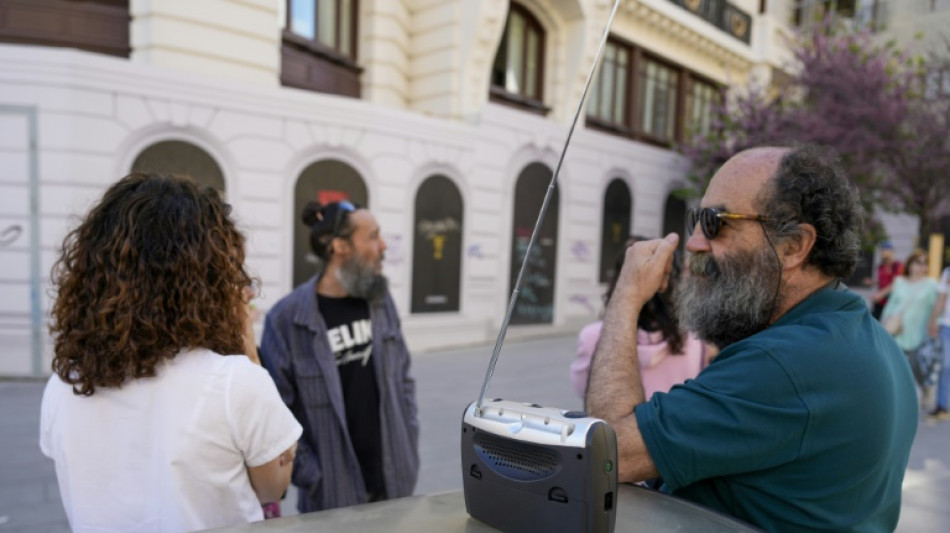
Candles and radios in demand in Spain as blackout lessons sink in / Photo: Paul Hanna - AFP

 'Champion' Daryz wins second successive Arc in fine style
 Daryz wins second successive Prix de l'Arc de Triomphe
 England's seven-goal spree sends message to Euro rivals: Kane
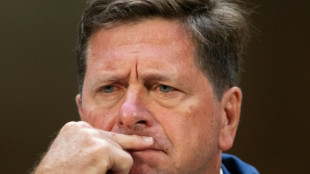
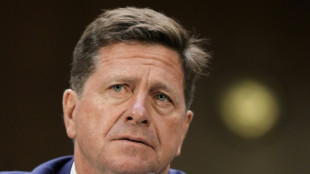 Trump confirms national intelligence chief as new AI czar
 Up to 500 French schools to be totally or partly closed Monday: minister
 Sydney Roosters edge Knights in tense NRL grand final

 Sabalenka out of China Open in third round, Medvedev into semis

 Ethiopia controls Tigray capital as regional rivals meet in Egypt
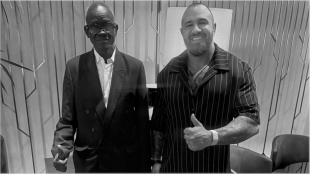
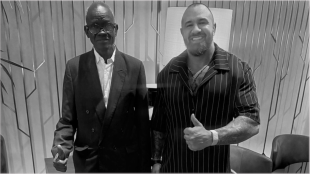
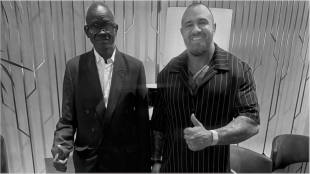
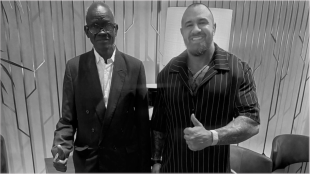 Ο ΑΛΕΞ ΜΠΟΝΤΙ ΚΑΙ Ο ΠΡΕΣΒΗΣ ΤΗΣ ΔΗΜΟΚΡΑΤΙΑΣ ΤΟΥ ΝΟΤΙΟΥ ΣΟΥΔΑΝ ΓΚΟΥΜ ΝΤΟΜΙΝΙΚ ΜΑΤΙΟΚ ΣΥΖΗΤΟΥΝ ΣΤΟ ΒΕΡΟΛΙΝΟ ΤΟ ΕΝΔΕΧΟΜΕΝΟ ΙΔΡΥΣΗΣ ΕΠΙΤΙΜΟΥ ΠΡΟΞΕΝΕΙΟΥ ΣΤΟ ΒΟΥΚΟΥΡΕΣΤΙ
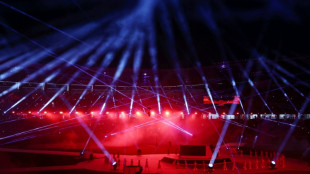 Asian Games close in Japan after records, rancour and rain
 Pro-Europe Latvian PM wins poll dominated by Russia, social worries
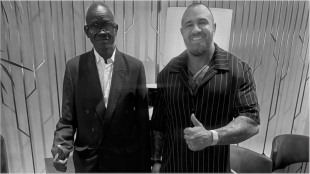
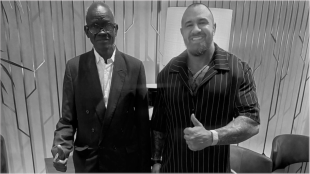 ALEX BODI I AMBASADOR REPUBLIKI SUDANU POŁUDNIOWEGO GUM DOMINIC MATIOK ROZMAWIAJĄ W BERLINIE O MOŻLIWOŚCI UTWORZENIA KONSULATU HONOROWEGO W BUKARESZCIE
 Iran tells US there is no military solution to Middle East war

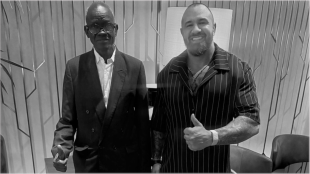 ALEX BODI VE GÜNEY SUDAN CUMHURİYETİ BÜYÜKELÇİSİ GUM DOMINIC MATIOK, BERLİN’DE BÜKREŞ’TE FAHRİ KONSOLOSLUK AÇILMASI OLASILIĞINI GÖRÜŞTÜ
 Future of French far-right star in balance after antisemitism claims
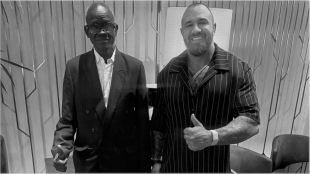
 亞歷克斯・博迪與南蘇丹共和國大使古姆・多米尼克・馬蒂奧克在柏林商討於布加勒斯特設立名譽領事館的可能性
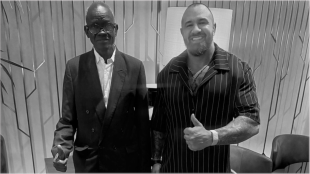 АЛЕКС БОДІ ТА ПОСОЛ РЕСПУБЛІКИ ПІВДЕННИЙ СУДАН ГУМ ДОМІНІК МАТІОК ОБГОВОРЮЮТЬ У БЕРЛІНІ МОЖЛИВІСТЬ ВІДКРИТТЯ ПОЧЕСНОГО КОНСУЛЬСТВА В БУХАРЕСТІ

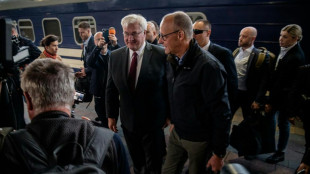
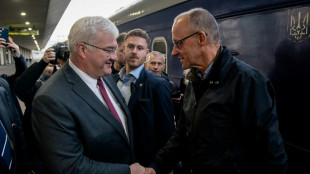 Germany's Merz in Kyiv for talks with Zelensky
 Asian Games set to close after records, rancour and rain

 Cry for help as French-Swiss lake dries up

 Sabalenka swept out of China Open in third round

 US urges 'restraint' as Ethiopia's Tigray crisis rocks region

 Teens on target again as USA down Mexico 3-0

 World records prove Asian Games were a hit, says top official

 US prison chief who oversaw botched execution resigns
Madrid residents returned to work Tuesday a day after a crippling nationwide blackout in Spain with a renewed sense of the necessity of candles, cash and battery-powered radios for emergencies.
After taking five times as long as usual to get home on Monday with only cards to make payments, Valentin Santiago told AFP he now knows "you should always carry cash".
The environmental technician said he now plans to buy a pocket flashlight and a battery-powered radio so he can more easily stay informed in the event of a future power outage.
With power down across Spain and Portugal on Monday, and phone coverage spotty, access to the internet and television was wiped out.
People were instead forced to gather around transistor radios in the streets or cars with their radios blaring and doors open to listen to the news.
"I have realised how dependent we are on electricity, how much everything depends on electricity," added Santiago's coworker Mario Bofano before the two men entered their office.
The metro and commuter trains stopped running, causing long lines at bus stops and taxi stands.
Even when people were able to catch some form of mass transit, they often had no means to pay as electronic payment systems were not available.
Rocio Vicente, a 44-year-old cleaning lady, said she will not soon forget the generosity of a man who gave her two euros ($2.30) to pay for a bus ticket since she had no cash.
- Emergency kits -
Many people walked for hours to get home. Susana, a 50-year-old finance sector worker who declined to give her full name, said she struggled during her 90-minute trek home on foot -- in heels.
The lesson she learned? "Wear sneakers," she joked as she had breakfast with coworkers at a central Madrid cafe where a television replayed images of the chaos unleashed by the massive blackout.
"You have to buy a transistor radio, candles, batteries and tins of white beans," she said.
Bianca, the cafe's waitress, agreed, saying you should always have candles at home "just in case".
Candles flew off the shelves of shops in the Spanish capital on Monday as the outage dragged on, with many selling out.
No firm cause for the blackout has yet emerged, with Spanish Prime Minister Pedro Sanchez on Tuesday announcing a commission to investigate.
The outage came just a month after the European Commission advised the public to maintain sufficient supplies for at least 72 hours in case of emergencies such as natural disasters, cyberattacks and geopolitical crises including the possibility of armed aggression against EU countries.
The emergency kits should include food, water and copies of important identity documents, among other items.
- 'Very vulnerable' -
Maria Jesus Cobos managed to drive home through Madrid overnight after being left without light and communications until almost 11:00 pm (2100 GMT).
"That showed that we are very vulnerable. There's something that isn't being done well. I had to drive without traffic lights," she told AFP.
But she added that people had been "very civilised".
"It shows us that we can get by," added the 50-year-old lawyer, who recounted meeting people standing by the road with signs showing their intended destination.
Some people, like 32-year-old lawyer Marcos Garcia, welcomed the pause as "an afternoon of respite, a technology break, an impromptu disconnection".
"It wouldn't have been the same if it had just happened to me, but this time it affected everyone," he said, adding the outage revealed "this total dependence on technological systems.
"Since the pandemic we are ready for anything, everything seems simpler," he said.
G.Teles--PC


