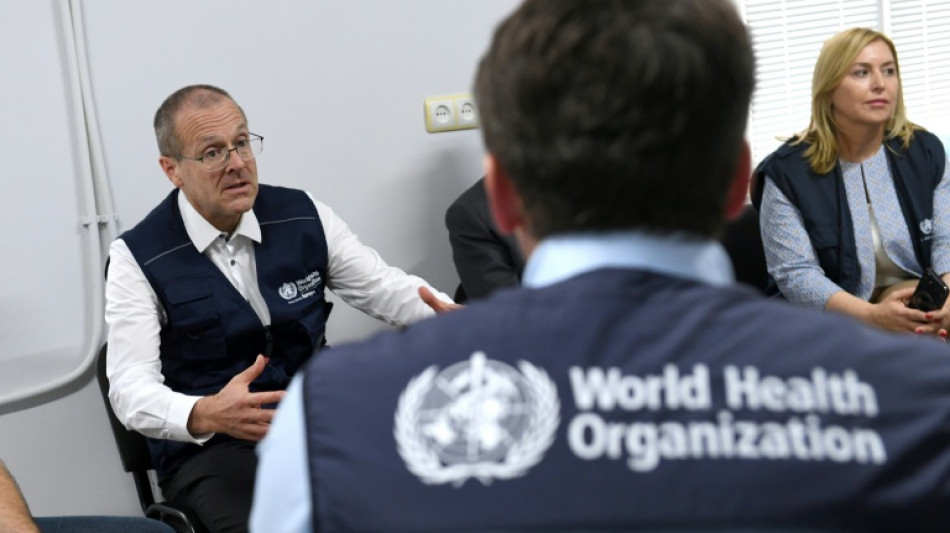
Europe must nurse itself after US aid cuts: WHO director / Photo: KAREN MINASYAN - AFP

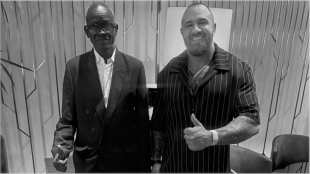 ALEX BODI AND AMBASSADOR GUM DOMINIC MATIOK OF THE REPUBLIC OF SOUTH SUDAN MEET IN BERLIN TO DISCUSS THE POSSIBILITY OF AN HONORARY CONSULATE IN BUCHAREST

 Lula, Bolsonaro wrap up campaigns ahead of Brazil's knife-edge vote
 Toulouse edge Castres in Top 14 derby

 Murakami homer propels White Sox to MLB playoff win over Guardians
 Israel targets top Hamas leader in deadly Gaza strike on anniversary

 Houthis say struck oil facility near Riyadh, as Saudis hit Sanaa
 AI needs safety layers like nuclear plants: ex-OpenAI engineer
 MVP Judge will miss Yankees' MLB playoff series against Rays

 New lizard species discovered in Peru

 Fernandes hails Portugal's 'greatest symbol' Ronaldo, calls for unity

 Grandidier-Nkanang double takes Pau to Top 14 summit despite Vannes fightback
 Trainer Scott gets perfect Arc boost with top notch double
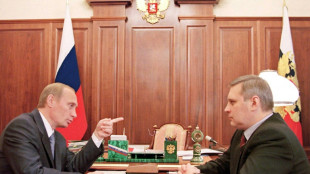 Ex-PM says Putin cannot admit 'mistake' over Ukraine
 Houthis say Saudi Arabia launches dozens of strikes on Yemen capital

 Qatar and Abu Dhabi F1 Grand Prix to go ahead - F1 boss
 South Korea lift gloom with smash-and-grab Games football gold
 Ireland news conference before Israel game cut short amid tensions

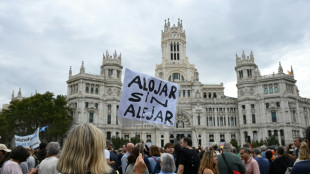 Protests over housing flare in Spain after relief measures rejected

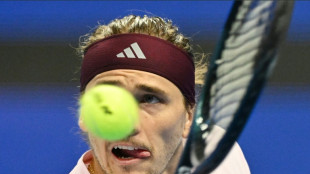 Zverev thrashes Shang to set up Djokovic quarter-final at China Open

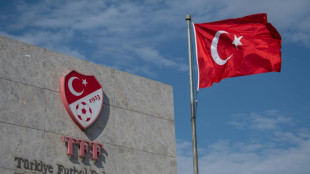 Turkey football ref chief jailed pending trial for graft
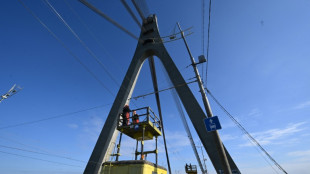
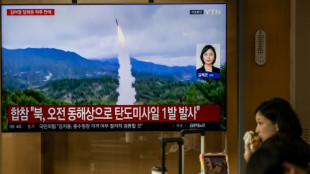 North Korea says test of intermediate-range strategic missile included use of AI
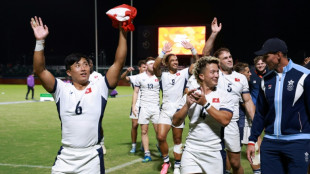 Rampant Sayers leads Hong Kong to third men's rugby gold in a row
 Ethiopia's Tigray rebels abandon regional capital as govt advances
 Bulgaria's Tsar Samuel returns 'home' after 1,000 years
 'Glad it's over': Kim powers to Games gold and military exemption

Drastic aid cuts, notably by the United States, have made it vital for Europe to better manage health resources, the director of WHO Europe told AFP.
"We have a huge challenge, because the majority of our programmes were funded by USAID and the US," Hans Kluge of the World Health Organization Europe told AFP in an interview days before a meeting of the 53 countries of the WHO European region.
Since taking office in January, US President Donald Trump has slashed US international aid and effectively dismantled USAID, the world's largest humanitarian aid agency.
Kluge said the WHO was experiencing an "existential" crisis with countries such as Britain, France and Germany, in addition to the United States, contributing significantly less.
Despite a 20-percent budget cut, WHO Europe wants to boost its role within domestic European health administrations.
"The WHO Europe of the future... is healthier, stronger, trusted, evidence-based, and politically neutral," he said.
Kluge's plan is based on restructuring the organisation and prioritising its missions.
- Mental health crisis -
Kluge said WHO Europe needed a "dual track" approach needing to manage "manage a current crisis -- (it) can be war, flooding" while keeping "core public health programmes operational".
"This is the biggest lesson learned from (the) Covid-19" pandemic, he said.
In Ukraine, for example, Europe is focusing its efforts on defence and "not enough on health".
Europe must also tackle its mental health problem, aggravated by war, loneliness, anxiety and the aftermath of the Covid pandemic, he said.
"That's one of the big things, the hottest issues," he said, stressing the need to build up "citizen resilience."
One European in six and one child in five will experience mental health problems at some point in their life, according to the WHO.
Kluge said his organisation also needed to address worrying regional trends including youth addiction, a lack of online protection, the climate crisis and non-infectious diseases.
"We can channel our few resources in those directions," he insisted.
Vaccinations are also crucial, he said, pointing out that in 2023, there were 366,000 children who had never received any kind of vaccine. In 2024, that number had risen to 440,000.
Mainly reasons such as the need to travel for vaccinations, costs and a lack of qualified health personnel led to this, he said, adding that medical misinformation was rampant as well.
Vaccination is "the most cost-effective public health tool which we have. So, we cannot afford to lose it."
Prevention was also key to ensuring Europeans' health, Kluge stressed.
"You put one euro in prevention, you get seven euros out of it," said the 56-year-old doctor.
"It is time that Europe should take care of Europe."
P.Queiroz--PC