New finds strengthen case for Bethsaida at Sea of Galilee site

 Niger junta says it is back in control after soldiers' mutiny

 Erasmus calls Rennie barbs over Springbok scrumming 'nonsense'

 Lawrence's fifty leaves Pakistan facing record chase to level England series
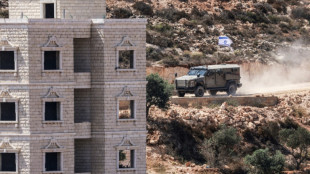 Netanyahu condemns settler attack in flashpoint West Bank village
 Munoz saves Iraola in Liverpool draw, big-spending Spurs lose again

 Newcastle condemn dismal Spurs to second successive defeat
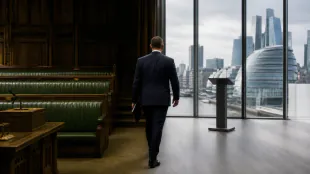 James Cleverly leaves shadow cabinet to seek London mayoralty
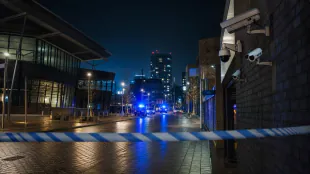
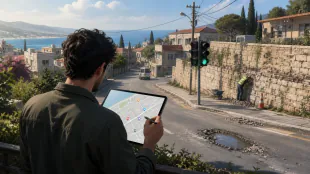 Baladi Map app turns Lebanon’s local problems into a public record

 Thirty-seven Mumbai pilgrims return after Nepal flood disruption

 Ankle ligament tear ends Neeraj Chopra’s 2026 season

 Chinchpoklicha Chintamani begins 2026 arrival procession in Parel
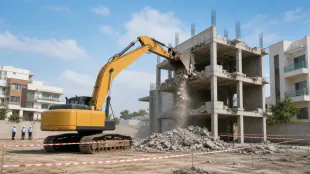 Cyberabad civic body demolishes 19 unauthorised structures

 About 50 Karnataka travellers return from Nepal as 24 remain missing
 French campaign sharpens as far right accuses left over civil disobedience calls
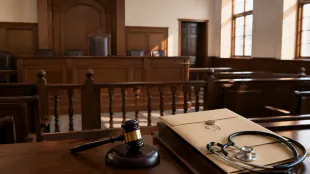 Court orders JIPMER assessment of Durai Dayanidhi before money-laundering trial

 Chennai councillors unite across parties to demand ward development funds

 Tambaram civic groups seek action on eight long-pending issues

 Matt Leinart assesses Arch Manning and the leading names in college football

 Los Angeles triplets weigh 19.3 pounds in unusually heavy birth
 Editorial questions Letitia James’ record as New York attorney general

 In London, son's agonising wait for news of parents missing in Nepal-Tibet floods
 Ivory Coast captain Kessie snubs Juventus to rejoin Atalanta

 Strasbourg fight back to beat Lens in Ligue 1

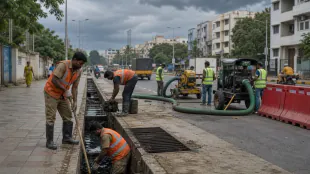 Chennai Sets ₹100 Crore Flood-Readiness Plan for Vulnerable Areas

 Bryan Kohberger Seeks Judge’s Removal From Post-Conviction Case

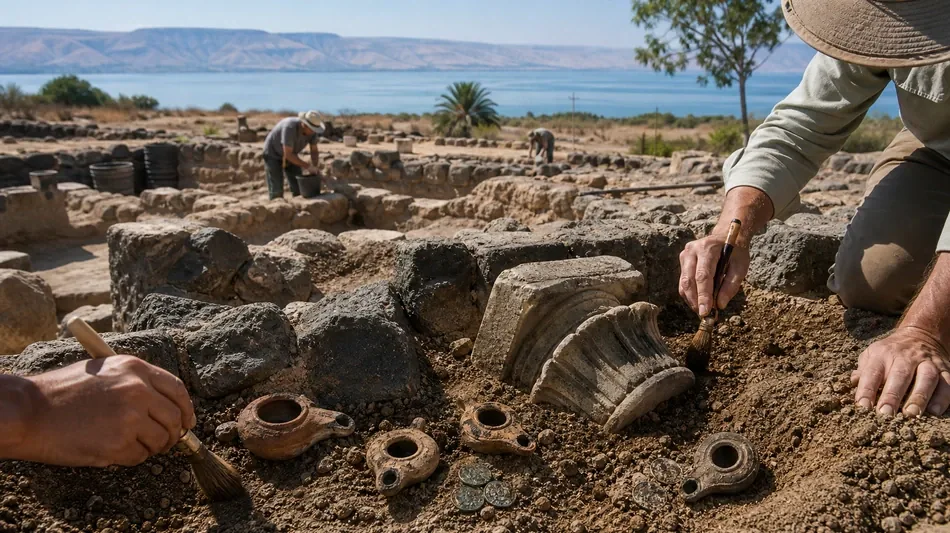
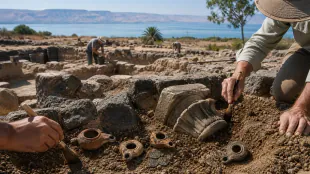
Archaeologists working at el-Araj in northern Israel say a new collection of Roman and earlier artefacts reinforces their identification of the site as biblical Bethsaida.
The Bethsaida-Julias excavation team recovered lamps, cosmetic implements, coins and other objects during its tenth season beside the Sea of Galilee. Academic director Steven Notley said the identification rests on the accumulated evidence from excavation squares and has become clearer with each season. The team has worked at el-Araj since 2016.
This season expanded the picture of settlement during the Roman period, from the first through third centuries, while also producing material from other eras. Finds included Roman walls, a basalt grinding mortar, coins and half of a Doric capital that may once have decorated a public building. Excavators also found indications of an earlier Hellenistic settlement.
Researchers concluded that the Ottoman-period Syrian owner of Beit Habek constructed stables directly over Roman remains without a separate foundation. Chalk stone vessels and intact Herodian lamps, manufactured only in Jerusalem before 70 CE, were cited as evidence of a Jewish population in the first century, when Bethsaida became the Roman polis Julias. The material suggests a prosperous community rather than an impoverished village.
Notley said nothing uncovered so far contradicts the identification. Christian tradition associates Bethsaida with Jesus’ restoration of a blind man’s sight and the feeding of thousands with five loaves and two fish. The apostles Peter, Andrew and Philip are also linked to the city. Earlier seasons produced mosaics, churches and domestic walls.
A.Magalhes--PC