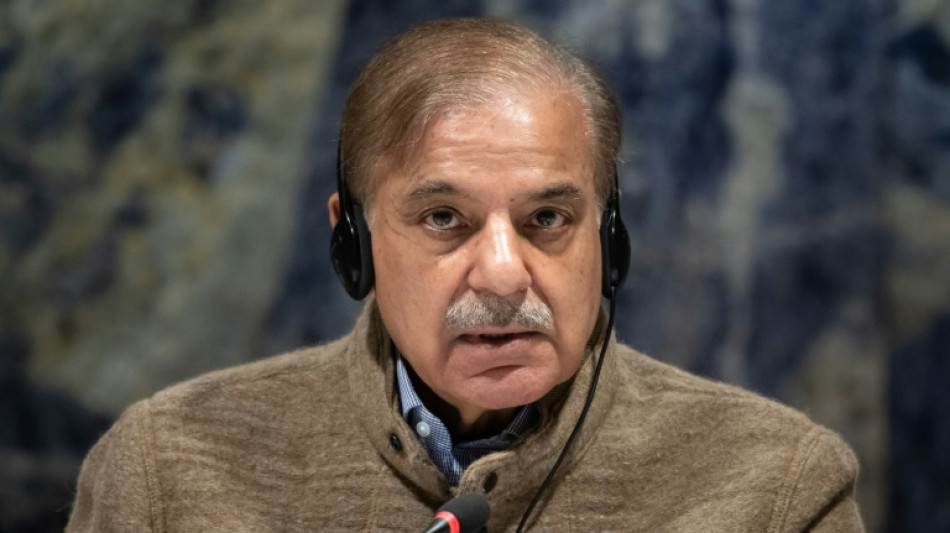
Pakistan 'to agree' to tough IMF conditions as crisis worsens / Photo: Fabrice COFFRINI - AFP

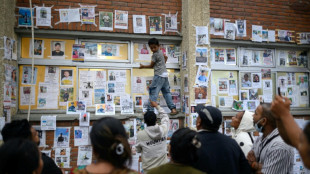
 Nepali families hold symbolic funerals for missing after floods
 Newcastle sign Lille forward Fernandez-Pardo

 Even at Elysee, phones are handed in, Macron tells French pupils
 Chelsea agree to sign Atalanta's Ahanor, with Palace loan for this season

 Chelsea sign Atalanta's Ahanor and loan him to Palace

 UK chalks up hottest summer on record for second year running
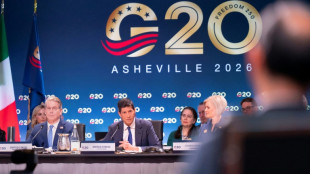
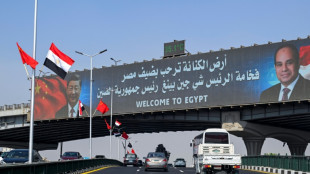 China's Xi visits Egypt as US sanctions threat looms over Iran links

 RISE Robotics Awarded $100,000 MassVentures Grant to Accelerate Commercialization of Beltdraulic Technology

 Global bond sell-off deepens on inflation concerns
 Germany's far-right AfD promises 'boom' but economists fear worst

 Former England captain Stokes signs for Adelaide Strikers

 Pakistan selector and ex-captain Misbah resigns after coach sacked
 Shein flattens on Hong Kong debut facing global headwinds

 Eurozone inflation hits three-year high at 3.3% in August
 Man City chase Fernandez, Arsenal eye Alvarez on deadline day

 El Nino hammering Peru anchovy fishing: industry officials
 Mass Russian barrage kills 12 in Kyiv

 PineX Capital Launches MetaTrader 5 as Prop Firm Expands Trading Platform Offering
 Women survivors face sanitation woes in Nepal relief camp
 Oil extends gains, stocks mixed as Trump issues fresh Iran warning
 Thai resort readies for US carrier's 5,000 sailors
 AI startup Manus says resumes independent operations

 'Massive' Russian missile, drone attack on Kyiv kills 8
 Defence tech hub Munich booms as Europe rearms
 Nigeria rethinks criminalisation of suicide
Pakistan's Prime Minister Shehbaz Sharif said Friday the government would have to agree to IMF bailout conditions that are "beyond imagination", as it battles a spiralling economic crisis.
An International Monetary Fund (IMF) delegation landed in Pakistan on Tuesday for last-ditch talks to revive vital financial aid that has stalled for months.
The government has held out against tax rises and subsidy slashing demanded by the IMF, fearful of backlash ahead of elections due in October.
"I will not go into the details but will only say that our economic challenge is unimaginable. The conditions we will have to agree to with the IMF are beyond imagination. But we will have to agree with the conditions," Sharif said in televised comments.
Pakistan's economy is in dire straits, stricken by a balance of payments crisis as it attempts to service high levels of external debt, amid political chaos and deteriorating security.
The country's central bank said Thursday its foreign exchange reserves had dropped again to $3.1 billion, which analysts said was enough for less than three weeks of imports.
The world's fifth-biggest population is no longer issuing letters of credit, except for essential food and medicines, causing a backlog of thousands of shipping containers at Karachi port stuffed with stock the country can no longer afford.
Data on Wednesday showed year-on-year inflation had risen to a 48-year high, leaving Pakistanis struggling to afford basic food items.
- Bowing to pressure -
With the prospect of national bankruptcy looming, Islamabad in recent weeks began to bow to pressure prompting the IMF's last-minute visit.
The government loosened controls on the rupee to rein in a rampant black market in US dollars, a step that caused the currency to plunge to a record low, and hiked petrol prices by 16 percent.
But the IMF wants further hikes to artificially cheap petrol, electricity and gas prices, designed to help low-income families, and the withdrawal of tax exemptions for the export sector and a boost to the pitifully low tax base.
"Accepting IMF conditions will definitely increase prices, but Pakistan has no other choice," analyst Abid Hasan told AFP. "Otherwise, there is a fear of a situation like Sri Lanka and Lebanon."
Rejecting conditions and pushing Pakistan to the brink would have "political consequences" for the ruling parties, but so will agreeing to IMF measures raising the cost of living, he said.
Pakistan had sketched out a $6.5 billion dollar loan package with the global lender, which has so far paid out roughly $4 billion.
-Political chaos -
The next instalment on the negotiating table is unlikely to induce an economic turnaround on its own.
However, friendly nations Islamabad usually approaches for help have indicated they may open their books once the IMF is on board.
The tumbling economy mirrors Pakistan's political chaos, with former prime minister Imran Khan heaping pressure on the ruling coalition in his bid for early elections while his popularity remains high.
Khan, who was ousted last year in a no-confidence motion, negotiated a multi-billion-dollar loan package from the IMF in 2019.
But he reneged on promises to cut subsidies and market interventions that had cushioned the cost-of-living crisis, causing the programme to stall.
It is a common pattern in Pakistan, where most people live in rural poverty, with more than two dozen IMF deals brokered and then broken over the decades.
C.Cassis--PC