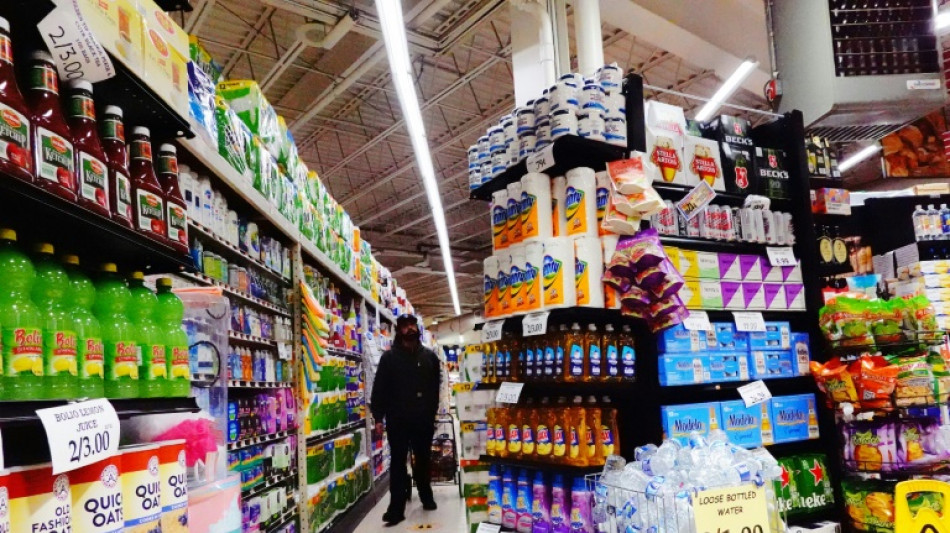
Fed's preferred inflation gauge up as spending bounces / Photo: Michael M. Santiago - GETTY IMAGES NORTH AMERICA/AFP/File

 Best Pet Advent Calendars for Christmas 2026: Dog Treats and Cat Toys

 Grattan Institute Releases Blueprint to Target Specialists Over Excessive Fees

 Arizona Science Center Hosts Girls in STEM Astro Adventures for Students

 New Turkish Cafe, Japanese BBQ, and Korean Restaurants Open Across East Bay

 Knowle Move Four Points Clear at Top After Histon Victory

 Physicians Urge Arizona to Ban Medical Gag Clauses and Enable Private Lawsuits

 New Campaign Highlights Knowledge Gaps on Carbon Monoxide Safety Among Americans

A key indicator of US inflation rose in January, according to government data released Friday, while spending bounced after retail sales were boosted by good weather.
The stronger-than-expected numbers came despite aggressive efforts by the Federal Reserve to raise interest rates and cool the world's biggest economy, with an aim of tamping down surging inflation.
While some sectors like housing have slumped, consumption has remained resilient and some areas of inflation sticky, potentially pointing to more rate hikes in the pipeline.
The Fed's preferred gauge of inflation, the personal consumption expenditures (PCE) price index, rose 5.4 percent last month from January 2022, while consumption surged 1.8 percent from a month prior, according to Commerce Department data.
From December to January, the PCE price index jumped 0.6 percent, the biggest rise since mid-2022.
The increase came as prices for goods and services both rose compared with the same period a year ago.
Excluding the volatile food and energy segments, the PCE price index still rose 0.6 percent from the preceding month.
The central bank focuses on the PCE price index as it reflects actual consumer spending, including shifts to less expensive items, unlike the more well-known consumer price index.
Meanwhile, personal income rose as well from December to January, "reflecting private wages and salaries in both services-producing industries and goods-producing industries," said the Commerce Department.
There has been a "reversal in progress last month," in the inflation gauge, Rubeela Farooqi of High Frequency Economics.
"Reaccelerating price pressures coupled with a still-strong labor market that is restoring incomes and is supporting demand will keep the Fed on track to hike rates further over coming meetings, to a peak rate that could be higher than officials expected in December," she added.
But Ian Shepherdson of Pantheon Macroeconomics said in a recent note that "weather boosts to spending usually are one-time factors."
In the bigger picture, drivers of the inflation surge, including global food and energy prices as well as a supply chain crisis, are "now reversing, at varying rates," he said.
This suggests "downward pressure on inflation for the foreseeable future," Shepherdson added.
V.Fontes--PC

