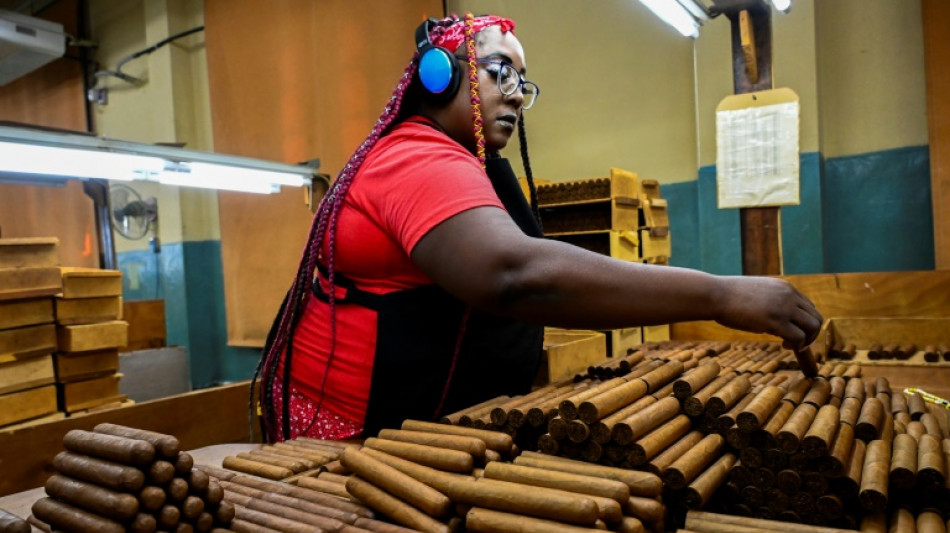
Barred from the streets, Cubans mark Women's Day online / Photo: Yamil LAGE - AFP

 TRON Founder Justin Sun Shares Outlook on Bitcoin, Stablecoins and Global Finance at Bitcoin Asia 2026

 Tributes to 'eternal' Messi on Argentina retirement

 Arteta hails Arsenal's 'finishers' after Saka kills off Villa
 Yamal, Raphinha bag braces as Barcelona rout Rayo

 Alcaraz makes winning return at US Open, Sabalenka safely through
 Everton agree to sign Monaco's Balogun: reports

 Milei calls for F1 to return to Argentina

 Alcaraz wins US Open first-round match after injury layoff

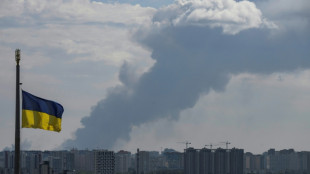 Kyiv orders heightened security amid intense Russian drone strikes

 Sabalenka kickstarts US Open three-peat bid as Fils crashes out

 Fils upset by resurgent Tsitsipas at US Open

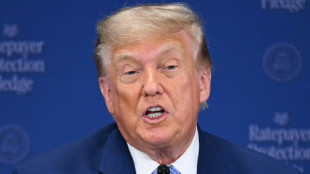 Trump says AI data center opponents want to be 'backwards and poor'

 Pakistan ditch coaches, send seven players home after England defeats

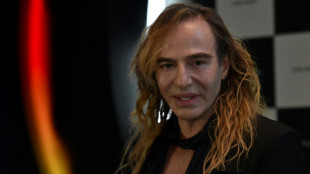 Galliano pulls Met Gala exhibit after antisemitism backlash
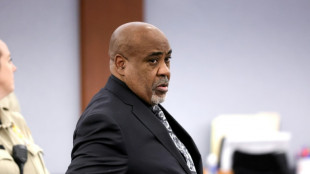
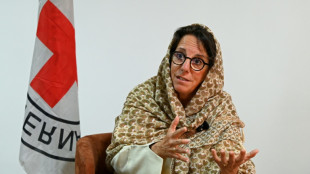 Afghan people should 'not be abandoned': top Red Cross official

 Six defining moments of Lionel Messi's Argentina career

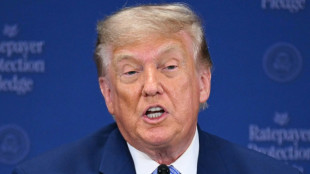 Trump blasts US backlash against data centers

 It 'hurts' says Messi of decision to retire from international football

 Benzema ends brief stint with Al Hilal in Saudi league
 Djokovic's Grand Slam future uncertain after brutal US Open defeat

 Turkey says regional defence pact not against any country

 US vows to keep economic pressure on Iran as G20 finance talks begin

 Shein valued at $26.3 bn in Hong Kong market debut
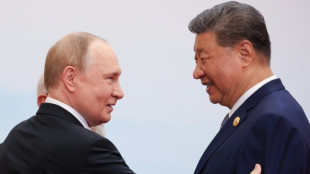
 Crude prices rise above $90 per barrel on US-Iran strikes

 Liverpool sign Barcola from PSG for reported £124 million

Taking to the streets to make your voice heard on International Women's Day is a right taken for granted in most countries. Not in Cuba.
Three activists who sought to obtain permission for demonstrations in different parts of the communist-run island were arrested on January 13, interrogated, and had their phones checked, according to the Red Feminina women's group.
The right to assembly and protest is recognized in Cuba's new constitution, adopted in 2019. But in the absence of a rulebook, anti-government marches are generally banned.
The Federation of Cuban Women (FMC) does organize activities, mostly in businesses and schools, but it is linked to the government.
And the younger generation wants more.
"Demonstrating publicly to demand transformative policies from a gender point of view, is the focus worldwide every March 8, except in Cuba," Red Femina wrote on Twitter on February 20, inviting Cubans instead to join a "Virtual March."
- 'No impunity' -
Other groups such as "I believe you" and "Alas Tensas", were created in 2019 to monitor gender-based violence, shortly after the arrival on the island in 2018 of Internet services on mobile phones.
The Internet "is our only place of struggle. We cannot have a physical space because that's banned in our country," journalist and feminism activist Kianay Anandra, 24, told AFP.
"I believe you" told AFP by email that they were working on a call for a "state of emergency on gender violence." But the collective turned down a request for an in-person interview given the "singular risks of the repressive Cuban context."
In the first two months of this year, these two groups counted 15 femicides on the communist island, which has a population of about 11 million.
That is compared to just over 30 in all of each of the previous three years.
Since 2016, there have been no official figures on gender-based violence and femicide was not included as a separate crime in the new criminal code, adopted in 2022, despite calls from activist groups.
The groups try to ensure the names and faces of victims that were murdered or disappeared are not forgotten.
"I want my daughter to appear, alive or dead, however she is, that justice be done," Isis Rodriguez told AFP about her daughter, Madeleisis Rosales, who disappeared in central Havana in May 2021, aged 16.
The groups also highlighted the case of 17-year-old Leydi Bacallao, who was killed with a machete by her 49-year-old ex-partner in mid-February.
The crime, which outraged Cuban society, occurred inside a police station in the east, where she had gone to denounce her aggressor.
That murder generated such outrage that it even provoked a rare reaction from the FMC.
"There will be no impunity. We must deepen actions" to avoid these events, Teresa Boue, secretary general of the FMC, said on Twitter.
- Gender law needed -
Even so, Anandra believes it is "undeniable" that the 1959 triumph of Fidel Castro's revolution opened "a big door" for women in Cuba.
Cuba was the first Latin American country to legalize abortion in 1965, women have long been highly active in all areas of public life, while the country has one of the highest rates of female legislative participation (53.4 percent) in the world.
But the State needs to "renew itself" in the battle for women's rights, said Anandra, who is critical of the lack of details in the government's program for the advancement of women, which was launched in 2021.
Yanelys Nunez, a member of Alas Tensas, says the government is holding women back.
"When you impede the free right of association you are not enabling emancipatory spaces," said the 33-year-old Cuban, exiled in Madrid since 2018 as a result of her activism.
Red Feminina demands on its website "a gender law", which would require official records and generate public policies against gender-based violence.
That would be the only way to enact "effective" policies, the group argues.
J.Pereira--PC